


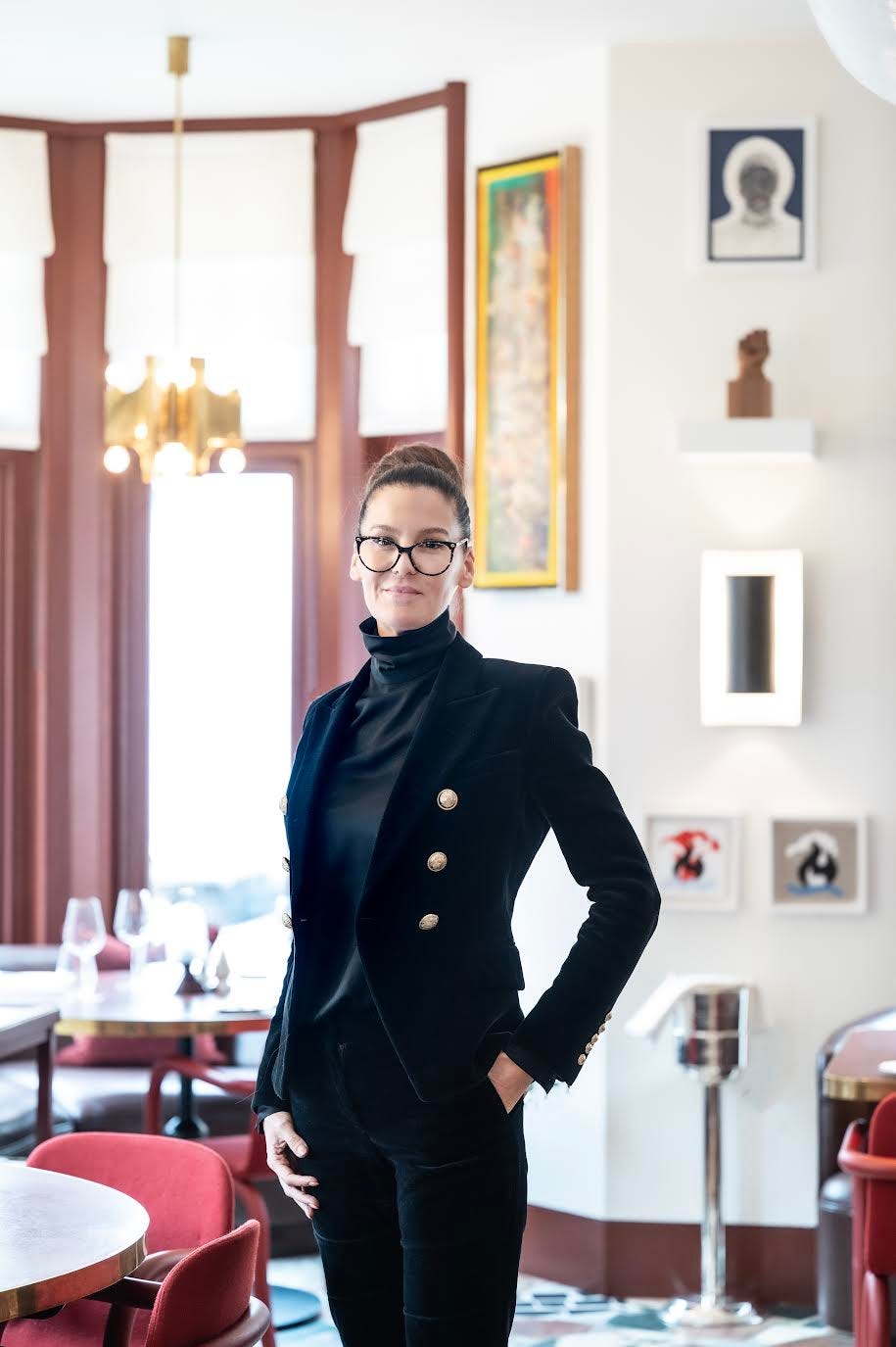
Most people working in restaurants spend their days watching guests; Carolin Rist spends hers watching guests discover art.
As Priority Relations Manager at Mayfair’s Mount St. Restaurant, she’s witnessed some extraordinary reactions to the more than 200 artworks housed throughout the restaurant and its private rooms. From guests stopping in their tracks at the sight of a Lucian Freud to collectors turning lunch into an impromptu art history lesson, she’s seen firsthand how differently people behave when surrounded by extraordinary art.
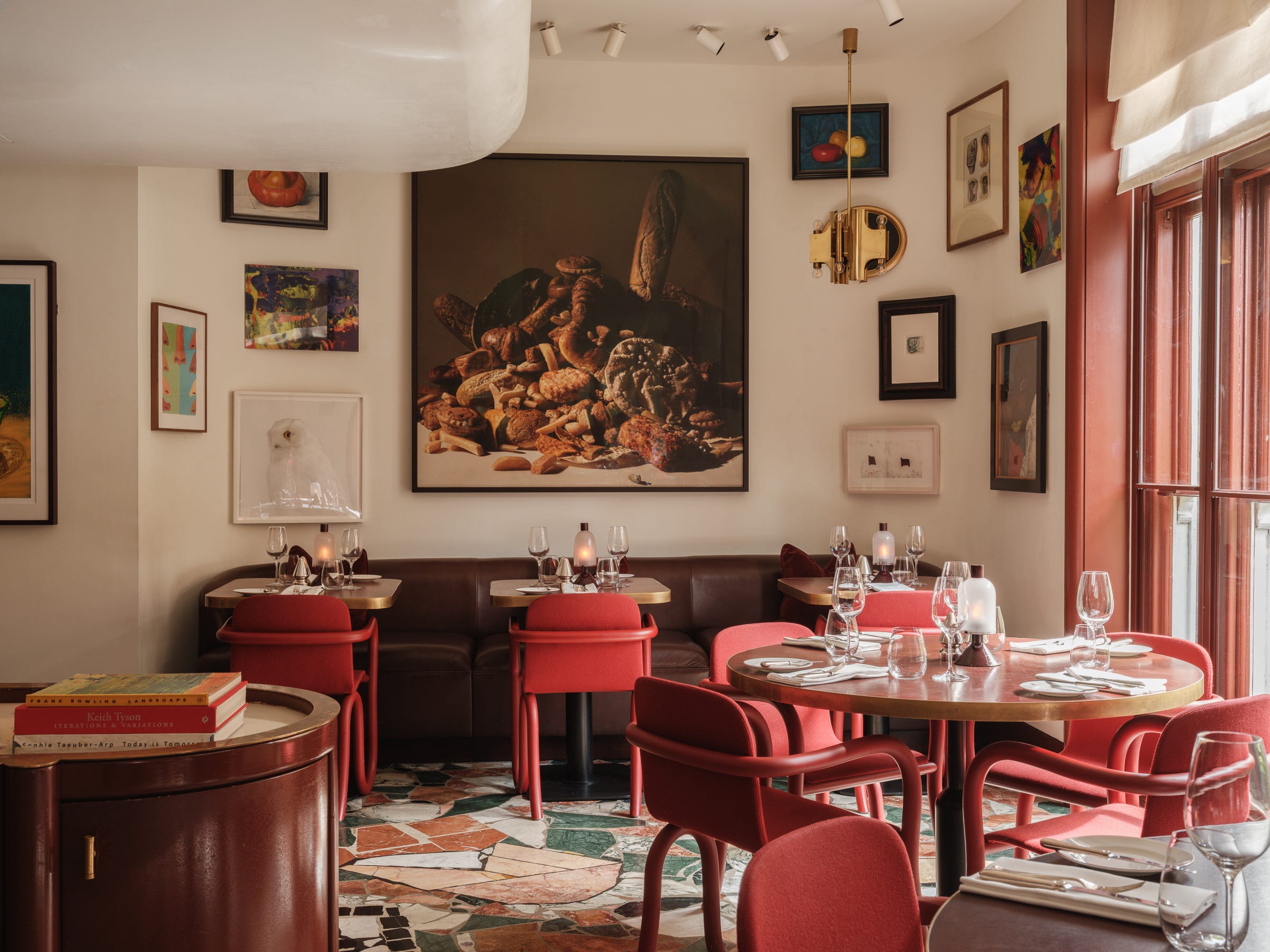
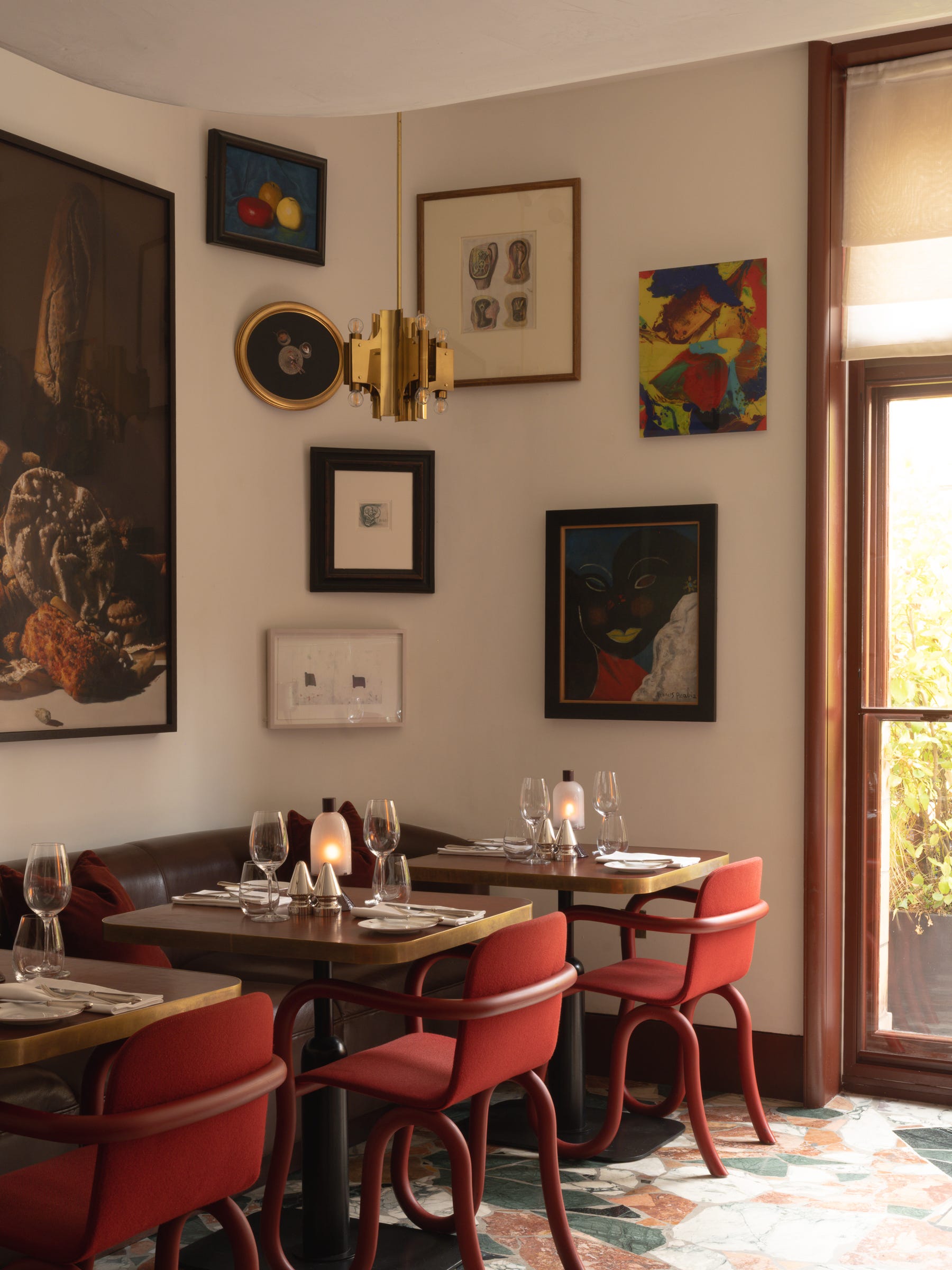
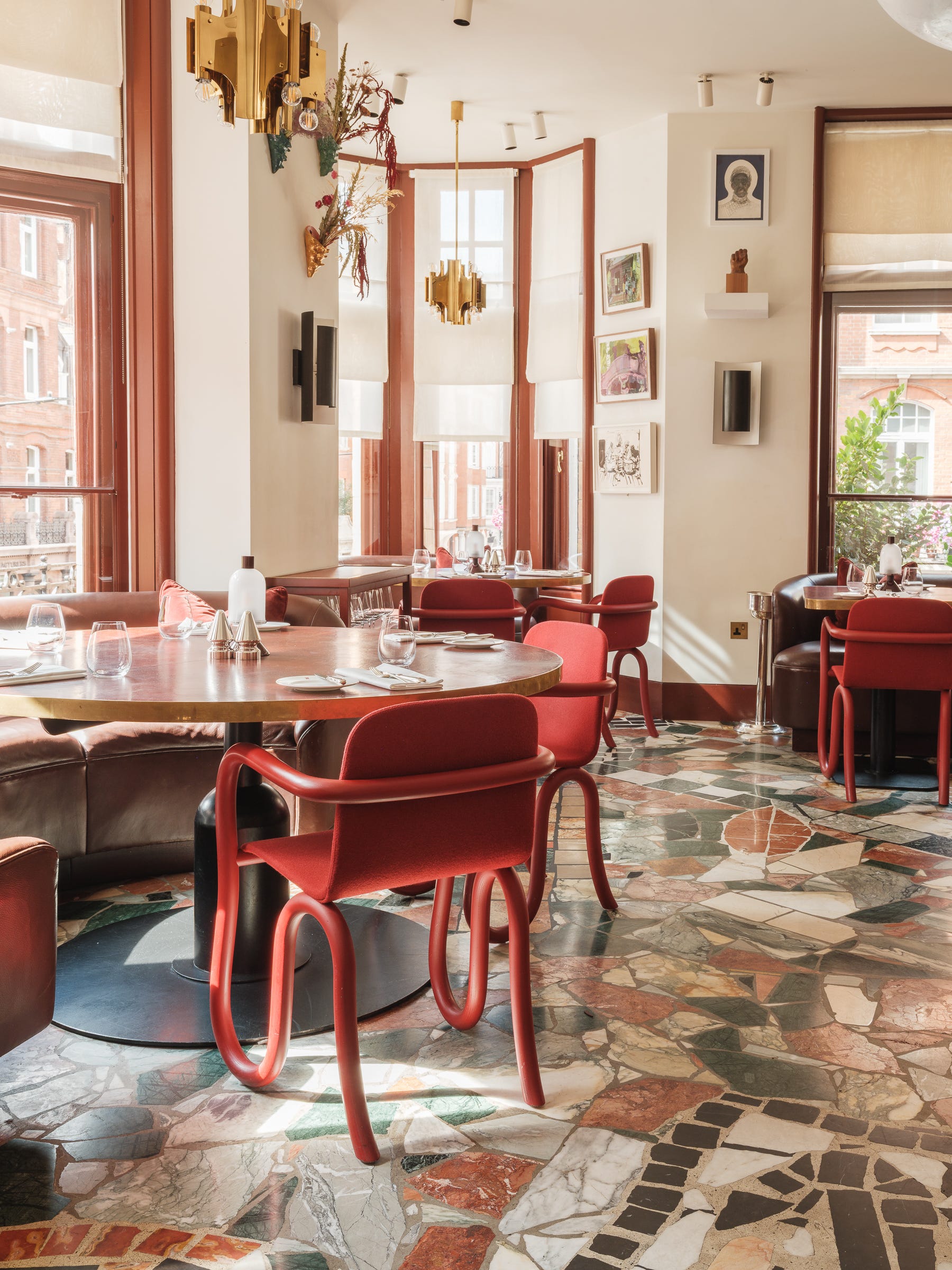
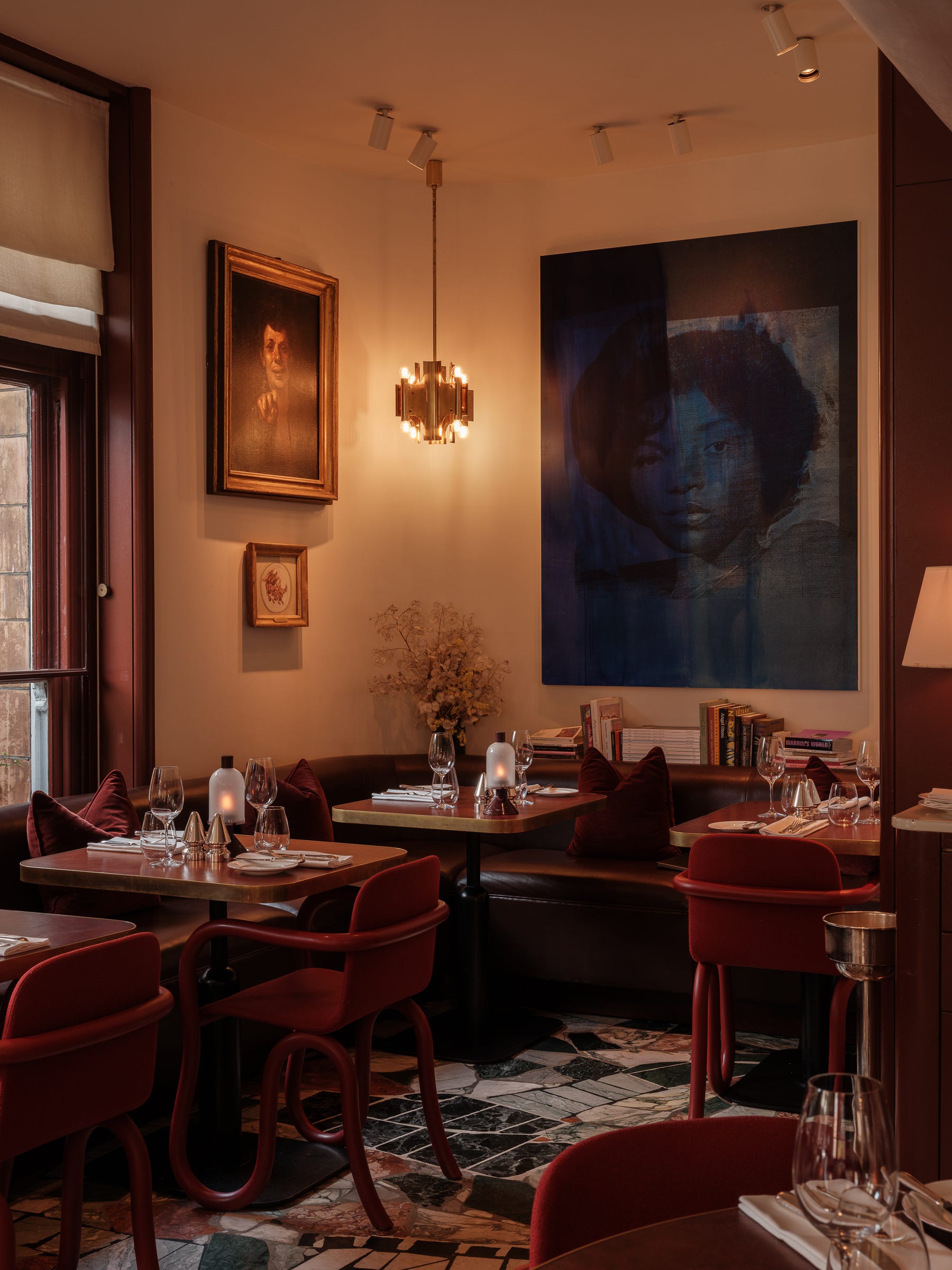
Founded by Iwan and Manuela Wirth, the gallerists behind Hauser & Wirth, Mount St. Restaurant is home to works by some of the most influential artists of the past century. But what makes the restaurant particularly interesting isn’t simply the calibre of its collection, it’s the opportunity to encounter art in an entirely different setting. People can spend hours sitting opposite a painting, discover an artist over lunch, or find themselves discussing a sculpture with somebody who came for the food.
I asked Carolin about the most memorable reactions she’s witnessed, the artworks that spark the best conversations and what she thinks everyone should see when they visit.
TFT: You’ve watched thousands of guests encounter Mount St. Restaurant’s art collection. What’s the most extraordinary reaction you’ve witnessed?
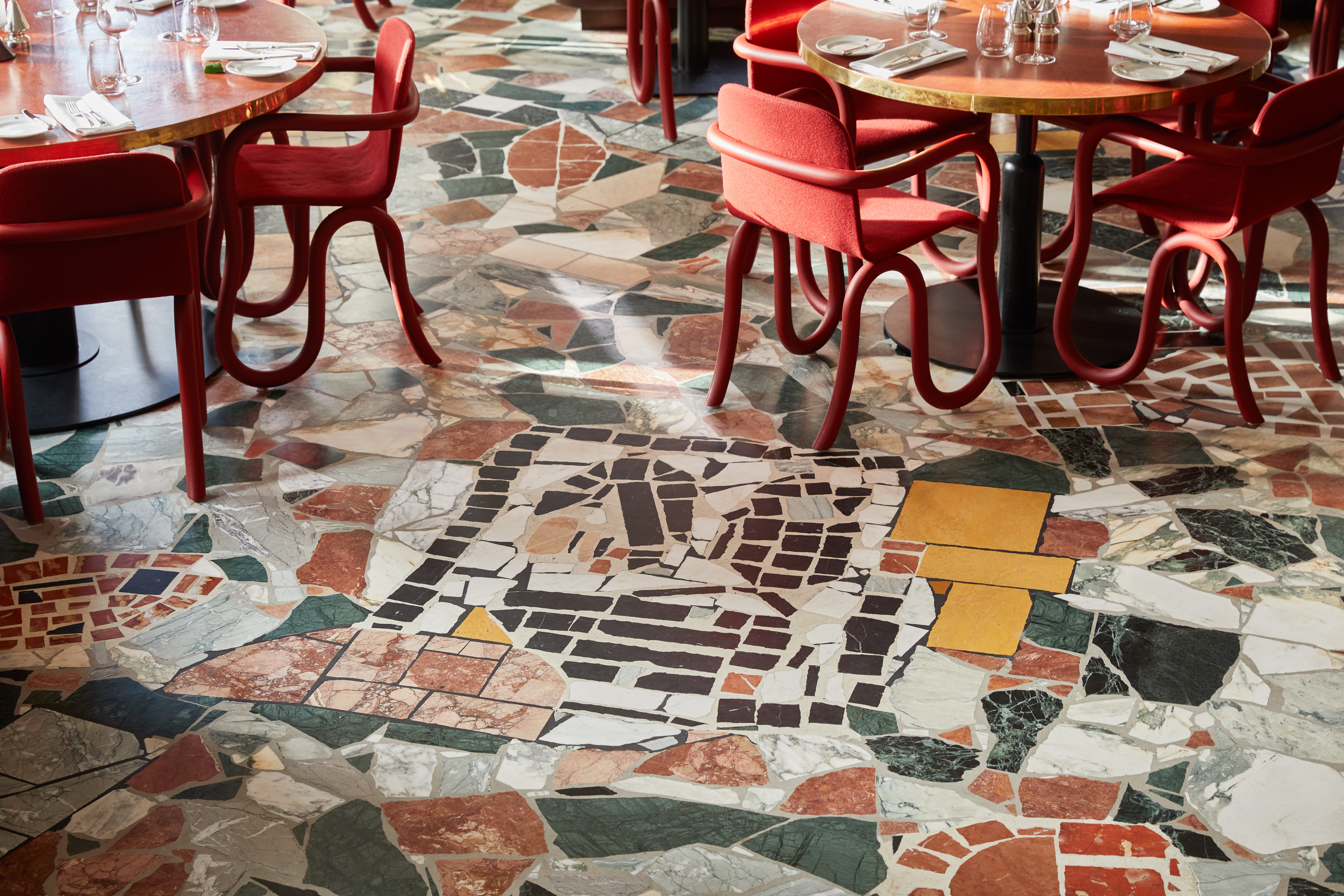
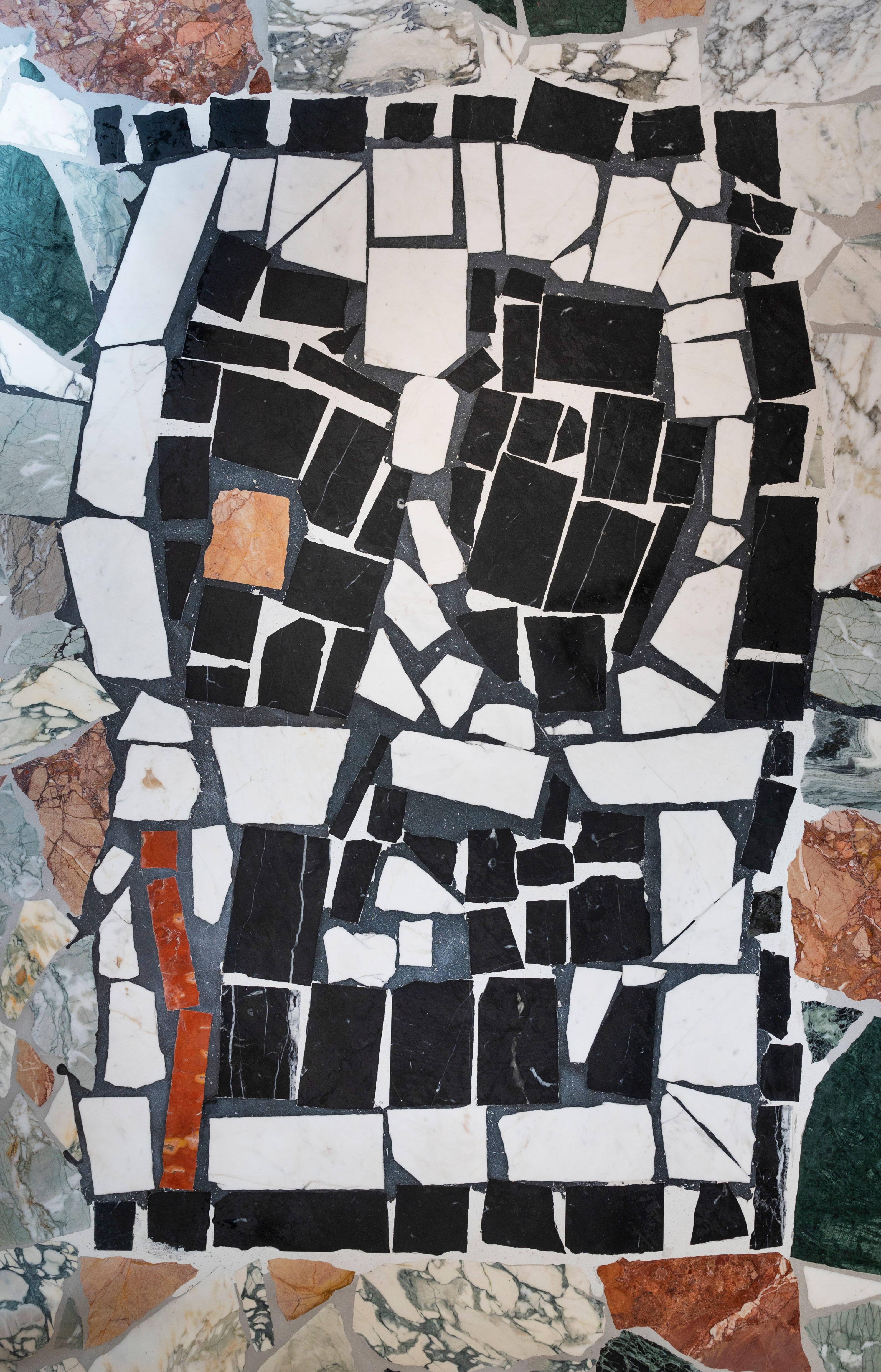
CR: I once had a well-respected, suited gentleman drop to his hands and knees during lunch service to examine Rashid Johnson’s Broken Floor. That wasn’t something I was expecting!
Another time, a prominent collector was so mesmerised by Lucian Freud’s Brace of Pheasants that, when he regained the power of speech, he held court, explaining to everyone in the restaurant how privileged we were to be able to see such a piece, and why. He received a round of applause from most of the diners.
Watching guests’ reactions is one of the highlights of my job, it’s wonderful to see their joy.
TFT: Do guests ever come for the food without realising quite how extraordinary the art collection is?
CR: Frequently! Guests often do a double take as they’re guided to their tables. The team will point out key works and offer more information, but it’s common to see guests wandering around the restaurant instead of sitting at their tables.
Our regulars don’t bat an eyelid if someone is scrutinising a painting just above their head while they’re eating.
We used to have Lucian Freud’s Annie directly in front of you as you entered. People would simply stop in their tracks, pointing and asking, “Is that, is that?” We’d just respond, “Yes.”
TFT: Does the art actually influence where people want to sit?
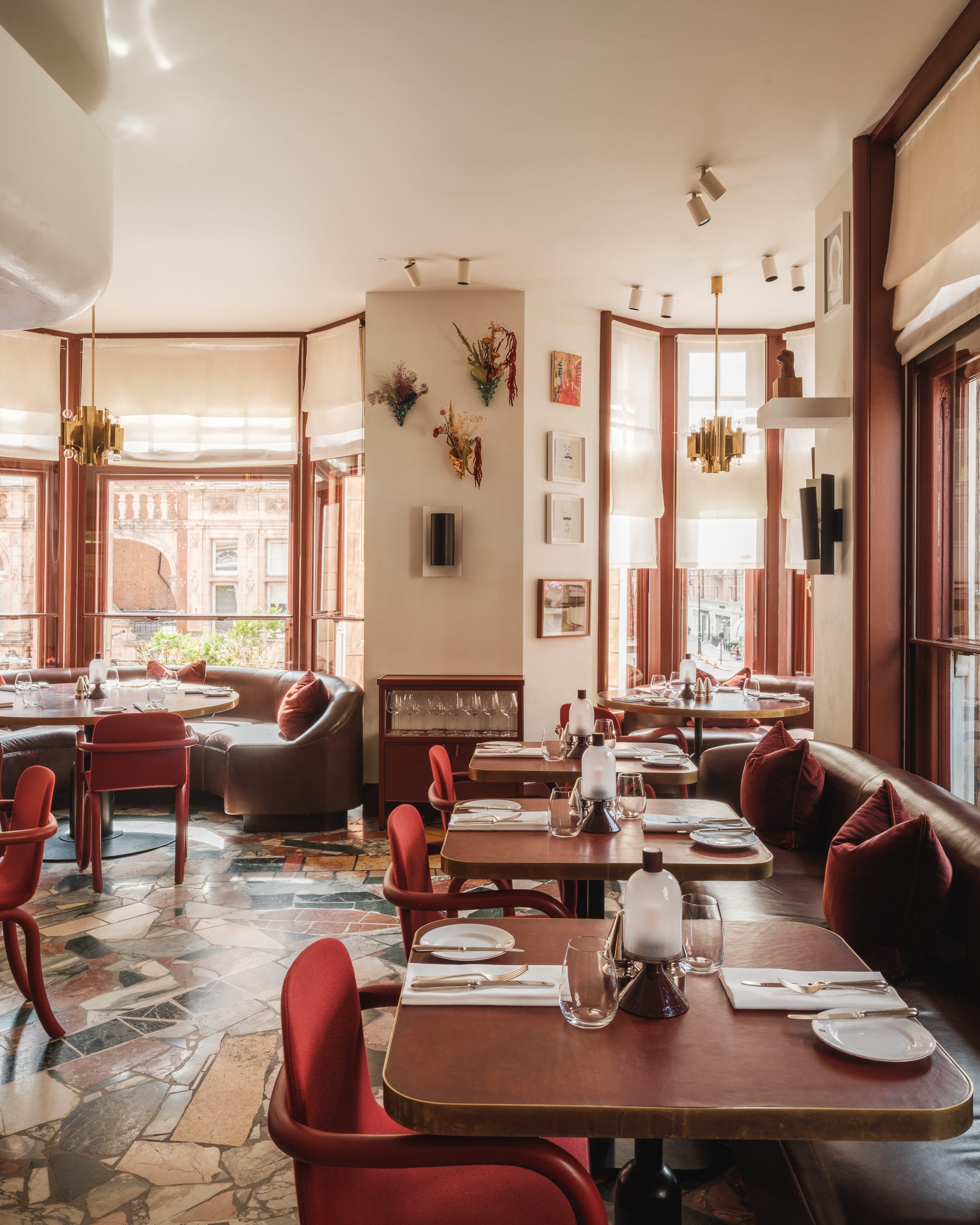
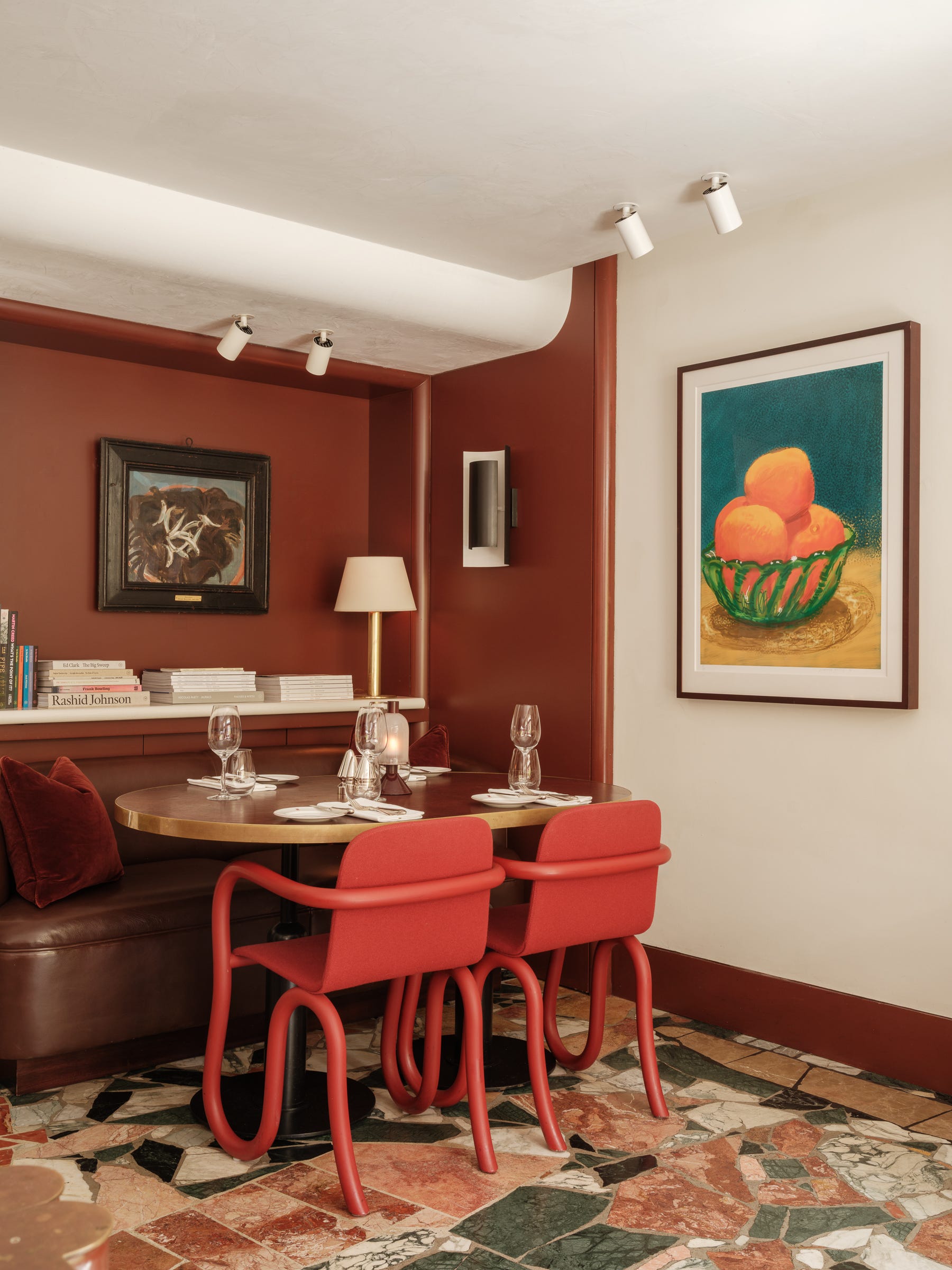
CR: Of course. Guests often refer to tables by the artworks above them, or by which piece they’d like to be facing. That’s especially true if their dining companion collects work by a particular artist, it can set the scene for a great meal.
TFT: Are there any works that consistently get people talking, perhaps for unexpected reasons?
CR: I love seeing guests react to the Paul McCarthy salt and pepper cruets* on the tables, which are modelled on his Tree sculpture.
They’re definitely conversation starters, particularly when you have a multigenerational table and somebody has to explain them to their grandmother!
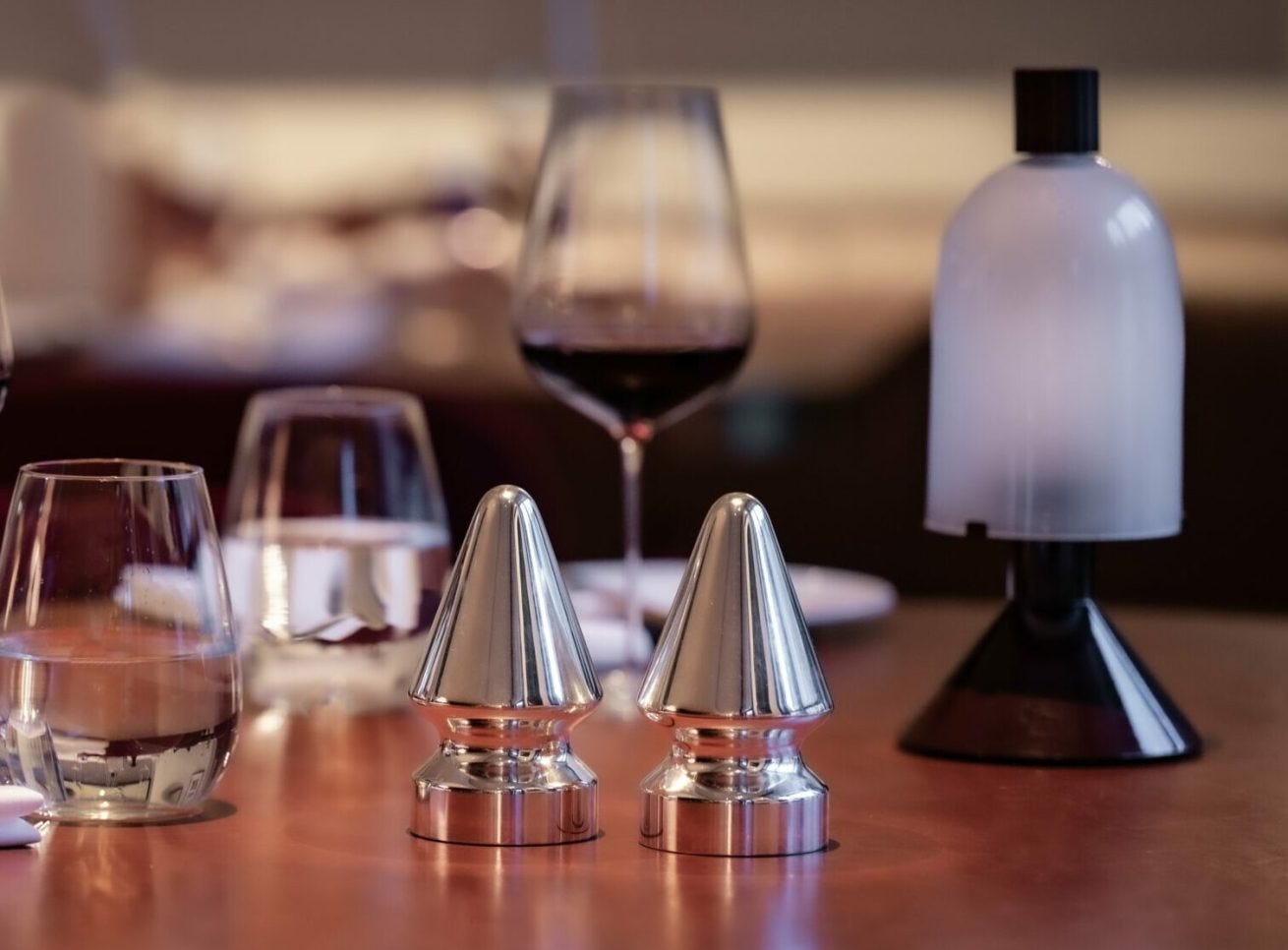
*Editors’ note: McCarthy’s Tree caused a stir when it was installed in Paris’s Place Vendôme in 2014. The enormous inflatable green sculpture was ostensibly a Christmas tree, although its resemblance to something considerably more provocative was difficult to ignore.
TFT: People might spend a few minutes looking at a painting in a gallery, but at Mount St. Restaurant they could spend an entire lunch sitting opposite it. Do you think that changes how they experience art?
CR: It’s almost impossible to comprehend a dining room housing over 200 pieces of museum-grade art.
In a gallery, you might pause for a couple of minutes to admire a piece. Here, guests can stop, discuss, celebrate and learn about the art throughout their meal, they have the opportunity to appreciate it for much longer.
I’ve also learned a great deal from watching how guests respond, everyone brings a different perspective. Many have knowledge of the artists, or even know them personally, which gives you a much deeper understanding of the work.
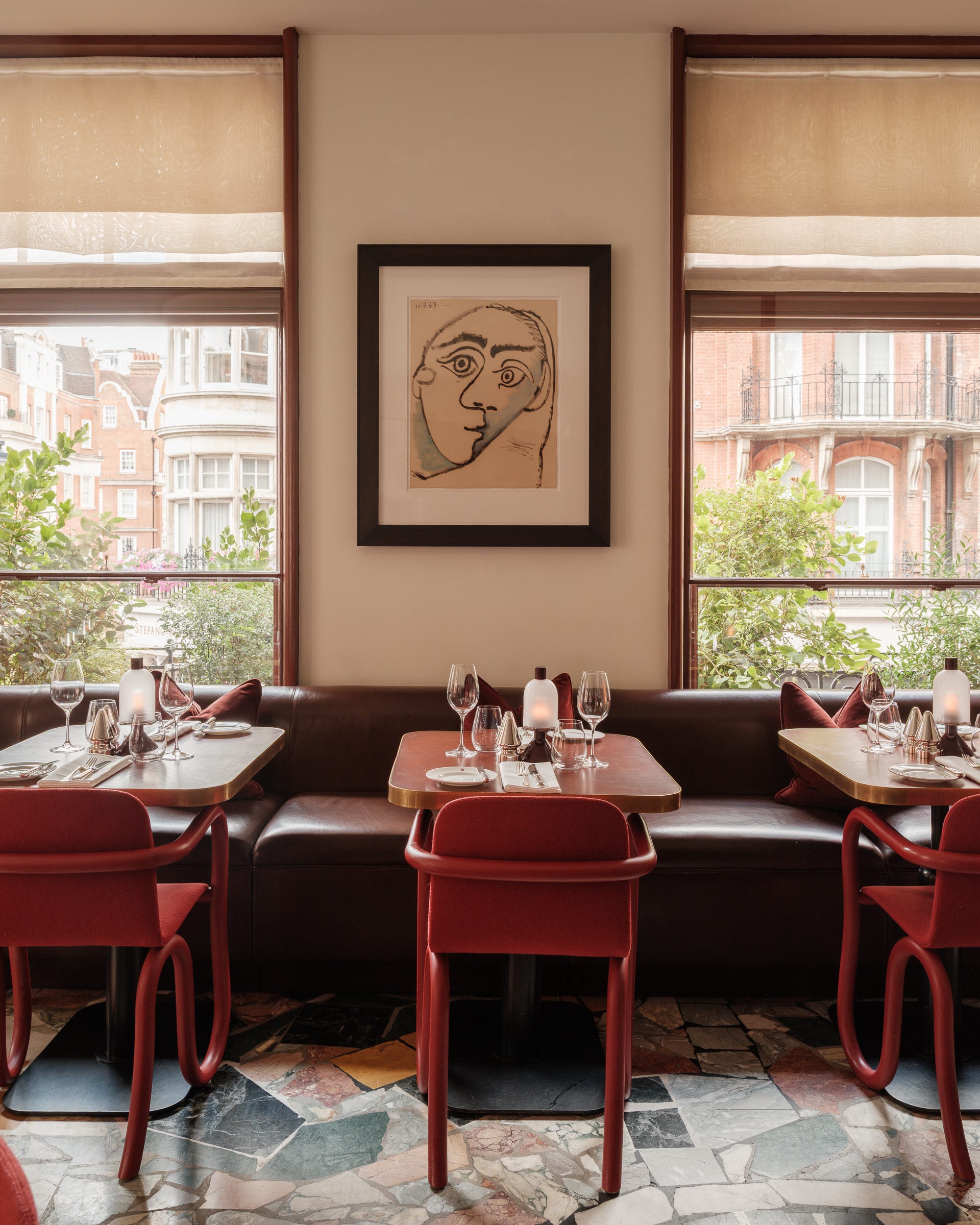
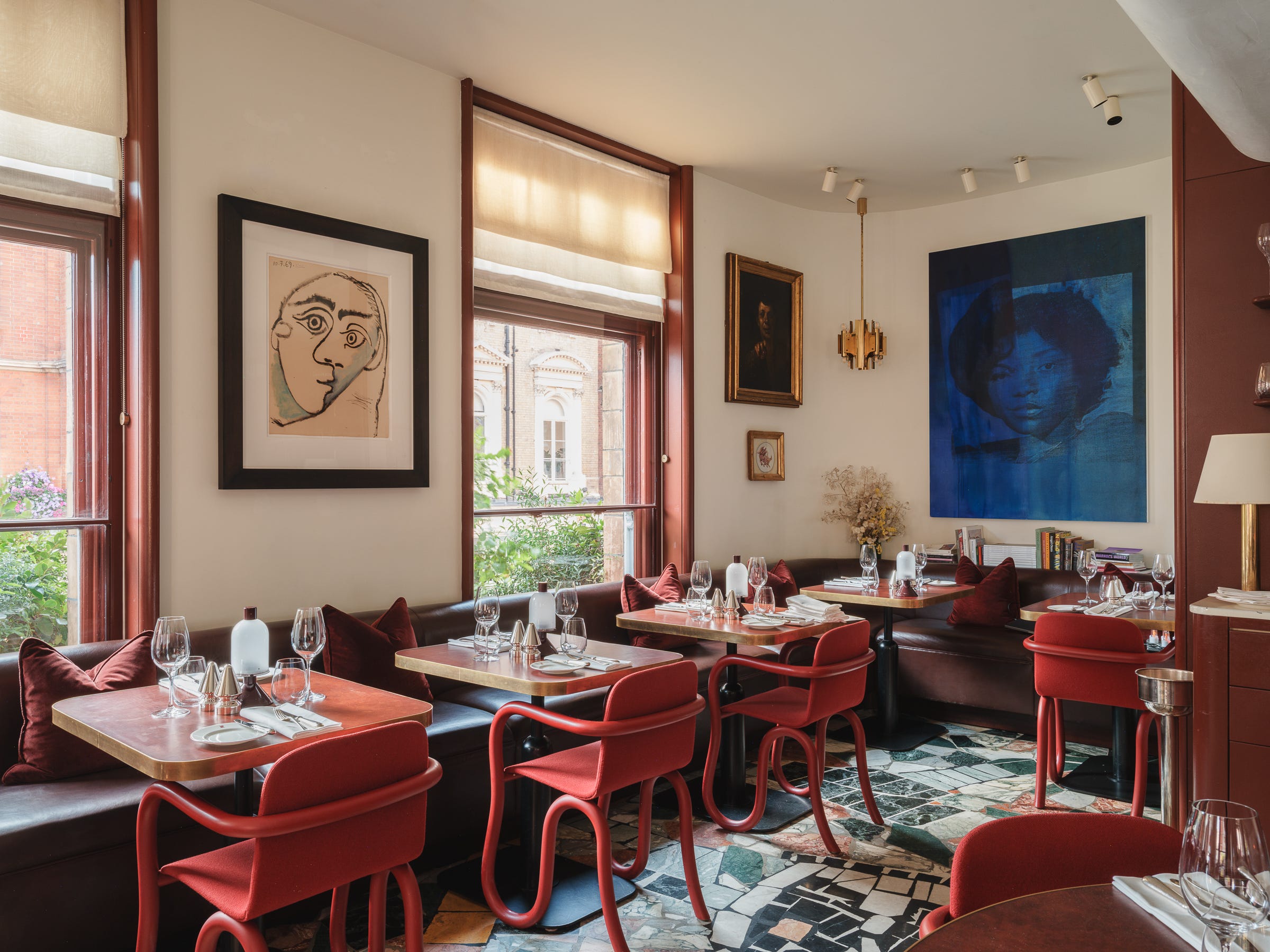
TFT: The collection has recently changed. Can replacing just one or two works really change the atmosphere of a dining room?
CR: Absolutely. We’re fortunate to be able to reinvent the rooms over and over, and it’s surprising how much the atmosphere can shift with just one or two new pieces.
The team gets invigorated too. We’re always keen to show regulars the new works, and they’re very comfortable telling us whether they approve and which pieces they prefer.
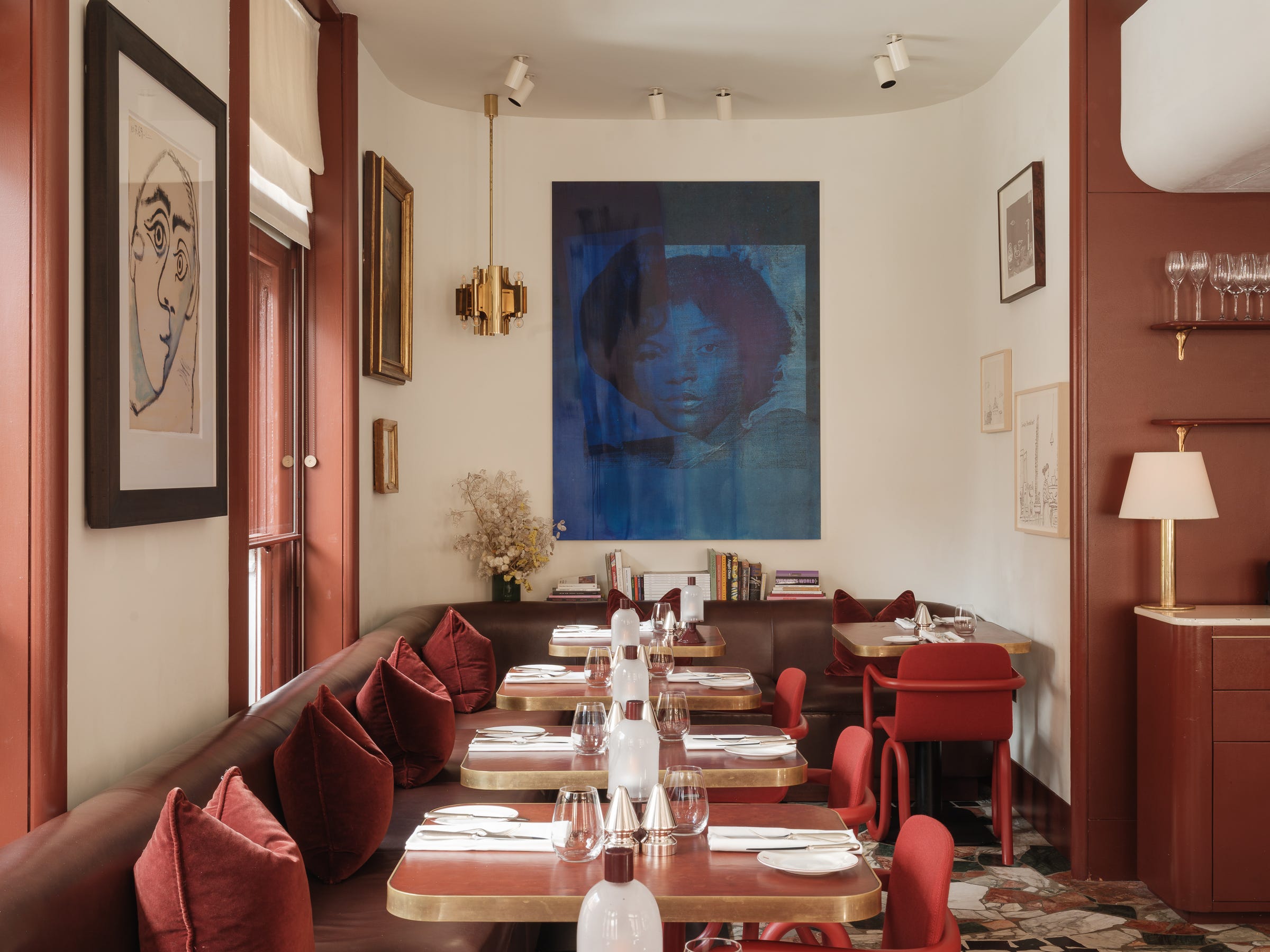
The new Lorna Simpson and Picasso have been particularly well received this time. One guest described Michaela Yearwood-Dan’s wall as “smile inducing,” which I thought captured it perfectly.
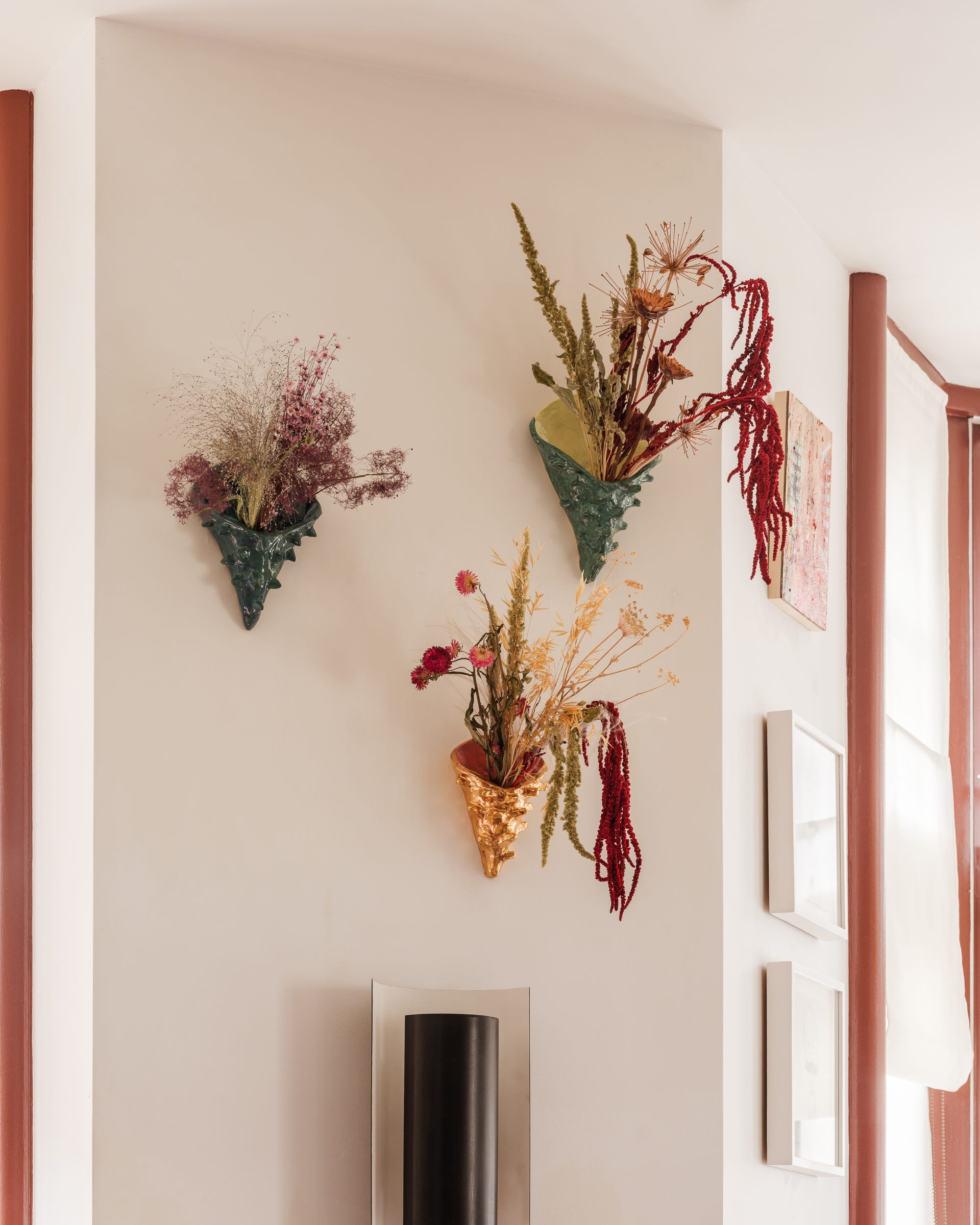
TFT: Finally, for somebody visiting Mount St. Restaurant who wants to appreciate the collection as much as the food, what are three things they absolutely shouldn’t miss?
CR: From the moment you enter and make your way up the stairs to the restaurant, you’ll encounter a wall of art in the form of framed recipes by artists including Phyllida Barlow and Martin Creed. Originally created as birthday presents for Iwan Wirth, these recipes have recently been brought together in A Cookbook for Iwan, which has just been published.
Then there’s Rashid Johnson’s Broken Floor. Your feet can’t help but connect with it, and the closer you look, the more faces of “broken men” you’ll discover.
But for me, the Cindy Sherman that’s just arrived in the Games Room is simply wonderful, it’s well worth climbing four flights of stairs to see.
To see the new artworks for yourself, you can book a table for breakfast, lunch or dinner at Mount St. Restaurant or follow them on Instagram.


