


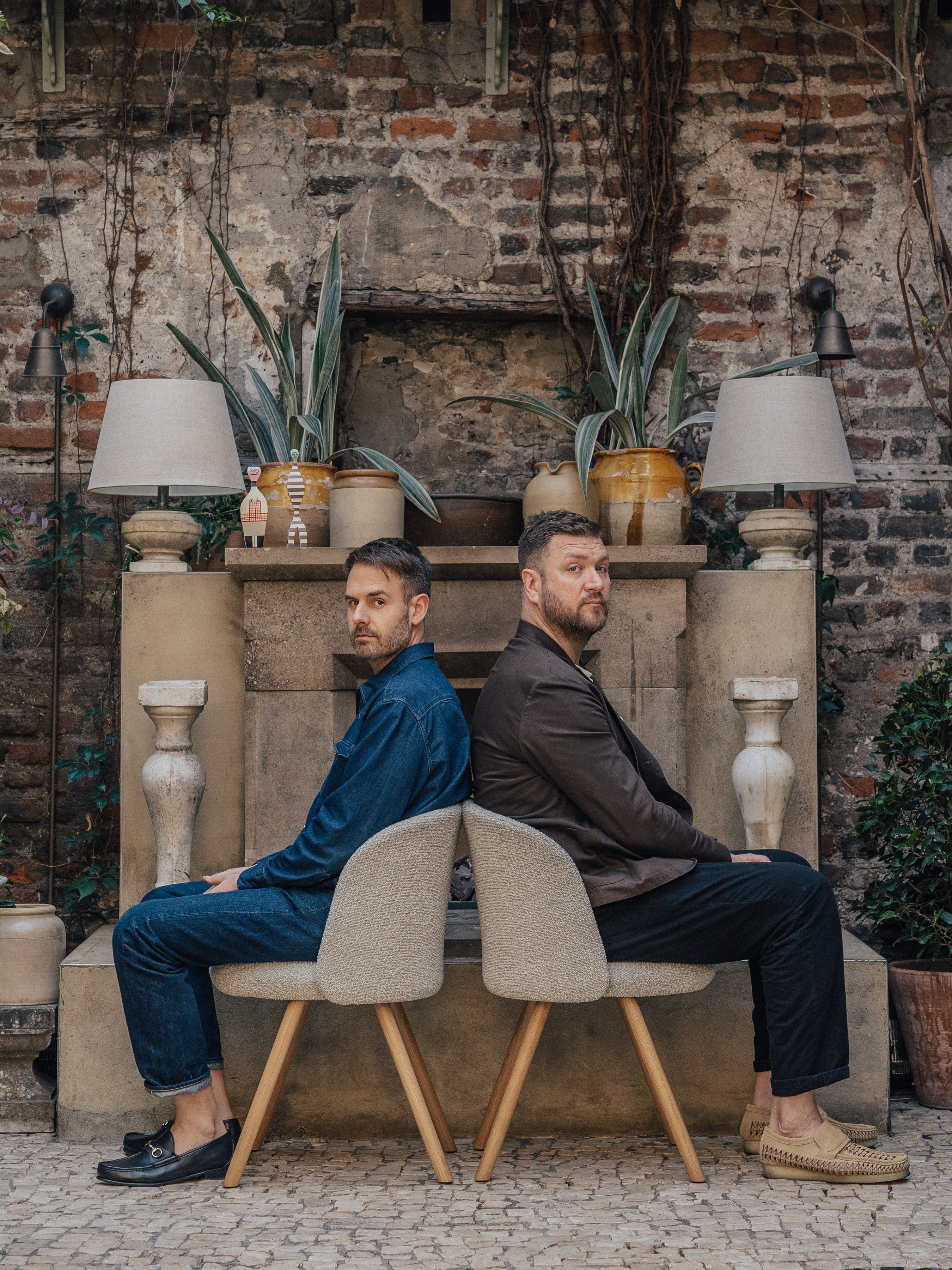
Before The Clove Club and LUCA, Johnny Smith and Daniel Willis were two childhood friends hosting supper clubs in their Dalston flat.
When I meet them on a Thursday afternoon, there’s an immediate ease to the conversation, the same sense of being welcomed that I’ve come to associate with LUCA. They’re easy company, slipping between each other’s stories, filling in details and occasionally correcting one another. An hour passes quickly as we talk about the unlikely series of events that led them to build LUCA, which celebrates its tenth anniversary this month.
Friends since the age of four, Johnny and Daniel moved to London with ambitions of making careers in music. Instead, they found themselves hosting supper clubs in their Dalston flat, bringing together chefs, DJs and an eclectic mix of guests. What began as a way to bring people together soon gathered a following, eventually leading to a residency at The Ten Bells in Spitalfields and the opening of The Clove Club in 2013, alongside chef Isaac McHale.
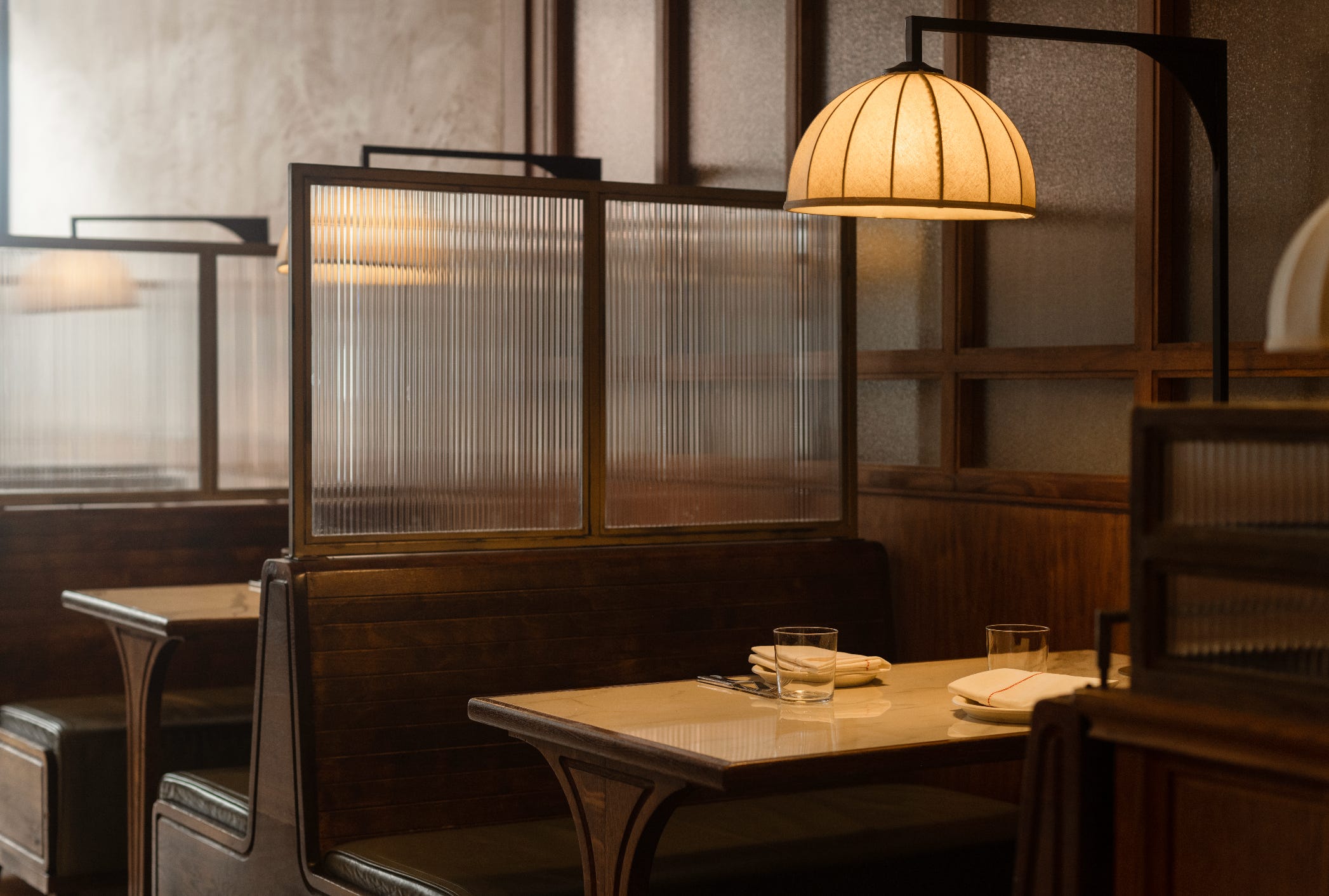
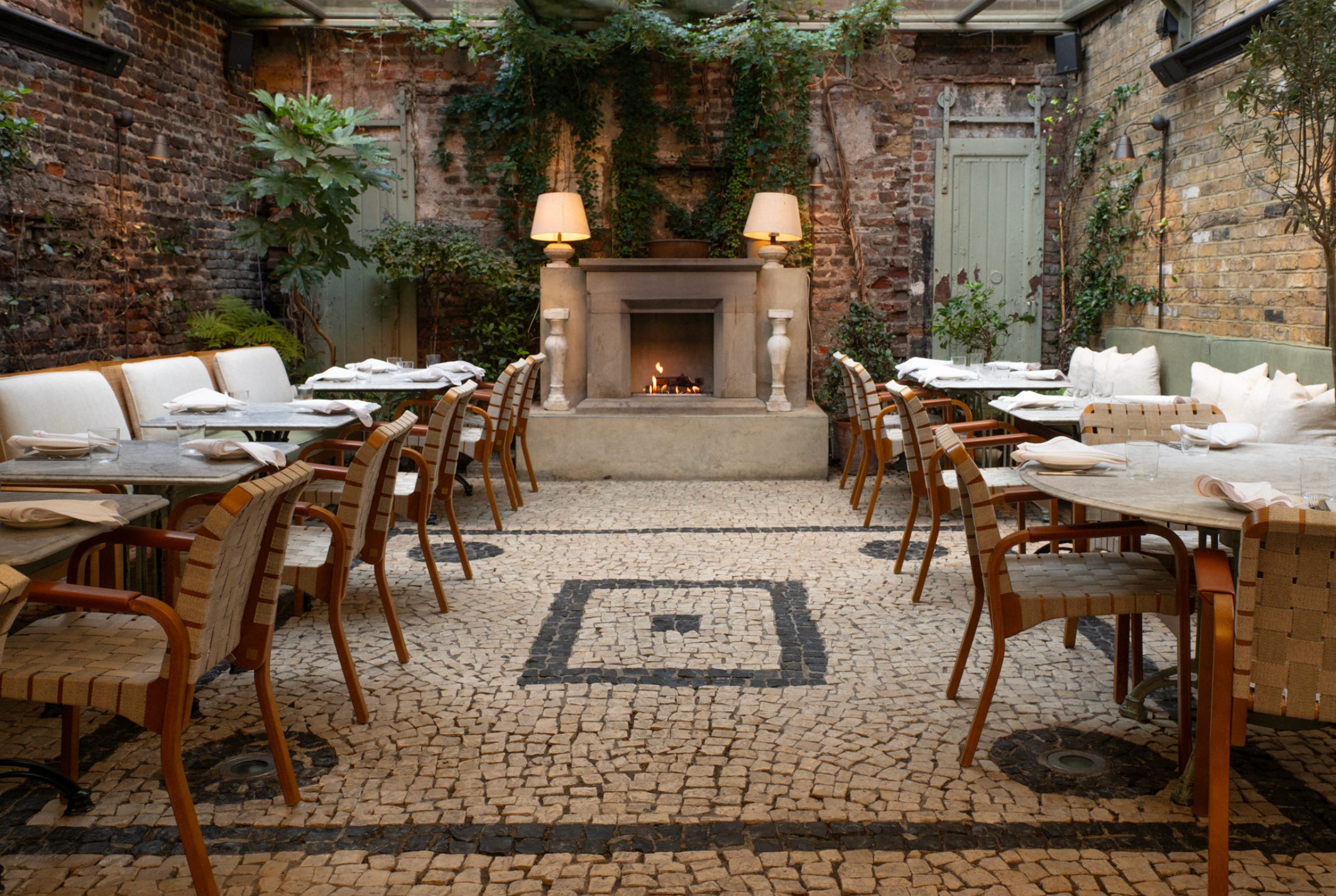
The Clove Club went on to earn two Michelin stars and a place on The 50 Best Restaurants list. In 2016, they opened LUCA in Clerkenwell, an Italian-inspired restaurant with an à la carte menu and a bar where friends and regulars could drop in, earning its own Michelin star in 2023.
Neither Johnny nor Daniel set out to become restaurateurs. They followed their instincts, experimented and built a following at a time when London’s restaurant scene was changing around them. A decade after opening LUCA, they reflect on their unlikely journey and whether that same journey would even be possible today.
TFT: You both came to London to pursue music, how did you end up finding your way into restaurants?
Daniel: I don’t think it was a case of starting at one end and ending up at the other, we’d always done both. I’d been fascinated by food from a young age, and Johnny’s mum was an amazing cook when we were growing up. I remember going to his house and seeing olive oil, herbs and balsamic vinegar on the windowsill, so that exposure happened for us quite organically.
Johnny: For the longest time, people would quiz us as though we were these geniuses who’d had some Machiavellian plan, but really we were just following our instincts. The supper club was gaining popularity, and we followed it.
We never intended to open a restaurant and never saw the supper club as a stepping stone towards one. We just thought it was cool, we were having a good time and doing something that felt fun and different, but looking back, it was definitely an incubator for the restaurants we’d open later.
Daniel: There was a beauty in the naivety of it, we didn’t really know where it was going, but we could feel the momentum building.
TFT: Before the supper clubs, you were throwing parties that brought together music, food and some pretty interesting people. What were those nights like, and how did they eventually evolve into The Clove Club supper clubs?
Johnny: We were DJ’ing in Manchester, running parties in different spaces and thinking about the whole experience, from the ambience and music to the food and drink. We ran a night called The Birthday Party, taking over weird and wonderful spaces, Peter Saville designed the logo for us, and Manchester School of Samba, Peter Saville & Anthony H Wilson also DJ’d.
We’d both been working in restaurants since we were about 20, so music and hospitality were never really separate. When we moved to London, that all accelerated, and the parties in our Dalston flat became an extension of what we’d been doing. Each one had a theme, it wasn’t just about getting people drunk (although that was certainly part of it), we’d think about the music, serve oysters and try to create something interesting.
Daniel: When we started the supper clubs, we had some incredible people creating playlists for us, including JD Twitch of Optimo and Andrew Weatherall – both of whom are now late & truly great. We thought about everything from how the room looked to how we dressed the tables, and had chefs like James Lowe, who would later open Lyle’s, cooking for us. We were charging £39 per guest and making no money, but we were learning so much.
Johnny: It started with friends and family, and then they told other people. Social media was just taking off, and some really good food bloggers found us on Twitter, which helped us build a following.
Daniel: We had this burner phone to take reservations, and I remember putting the number on Twitter one morning when we were so hungover, but we couldn’t work out how to turn off call waiting. The phone started ringing immediately and didn’t stop for two hours, while I was desperately trying to write down everyone’s details.
TFT: You came into hospitality without the traditional fine-dining background, how did that influence the kind of restaurants you wanted to create?
Johnny: We had no formal training in fine dining, but we were ambitious about the food and service and wanted to do things our own way. In the early 2010s, there was a growing desire for informality, people wanted restaurants with ambitious food but without all the formality that traditionally came with it. I didn’t even know how to fold tablecloths!
Daniel: James [Lowe] and Isaac [McHale] had travelled internationally and had been exposed to that world of restaurants, while Johnny and I brought a different perspective on service. We wanted guests to feel comfortable, to have a connection with their server and not be afraid to ask questions or have a conversation.
Johnny: But we weren’t deliberately rejecting traditional fine dining. I went to The Ledbury back then and it blew my mind, it was phenomenal. We were just coming from a different place.
TFT: By the time you opened LUCA in 2016, The Clove Club had become a huge success. What did you want to create that you hadn’t been able to do there?
Johnny: We wanted something bigger, and we wanted to explore different cuisines. The Clove Club was democratic in its own way, but it was fine dining with a tasting menu, and as it became more successful, it became harder for our friends and community to just drop in.
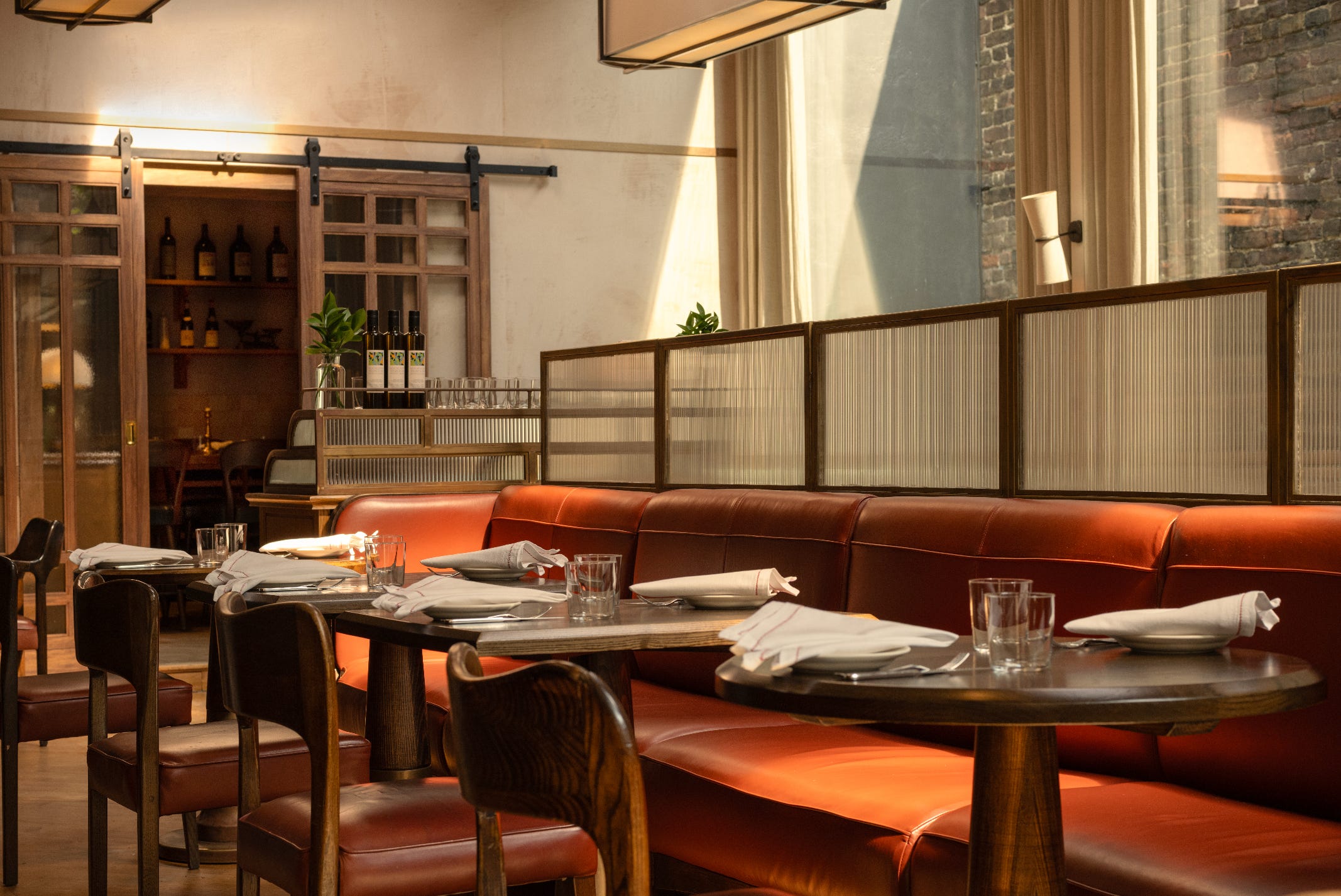
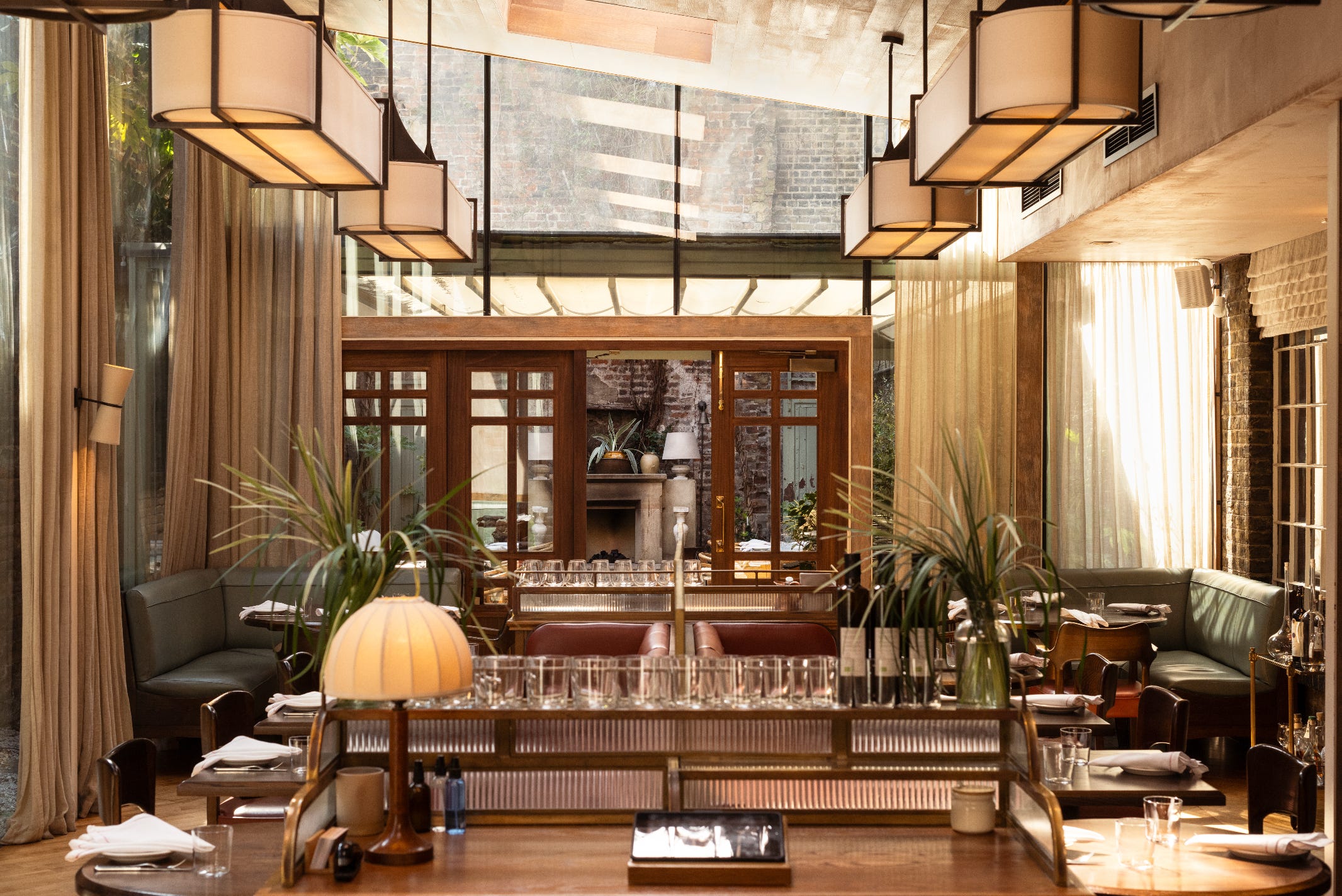
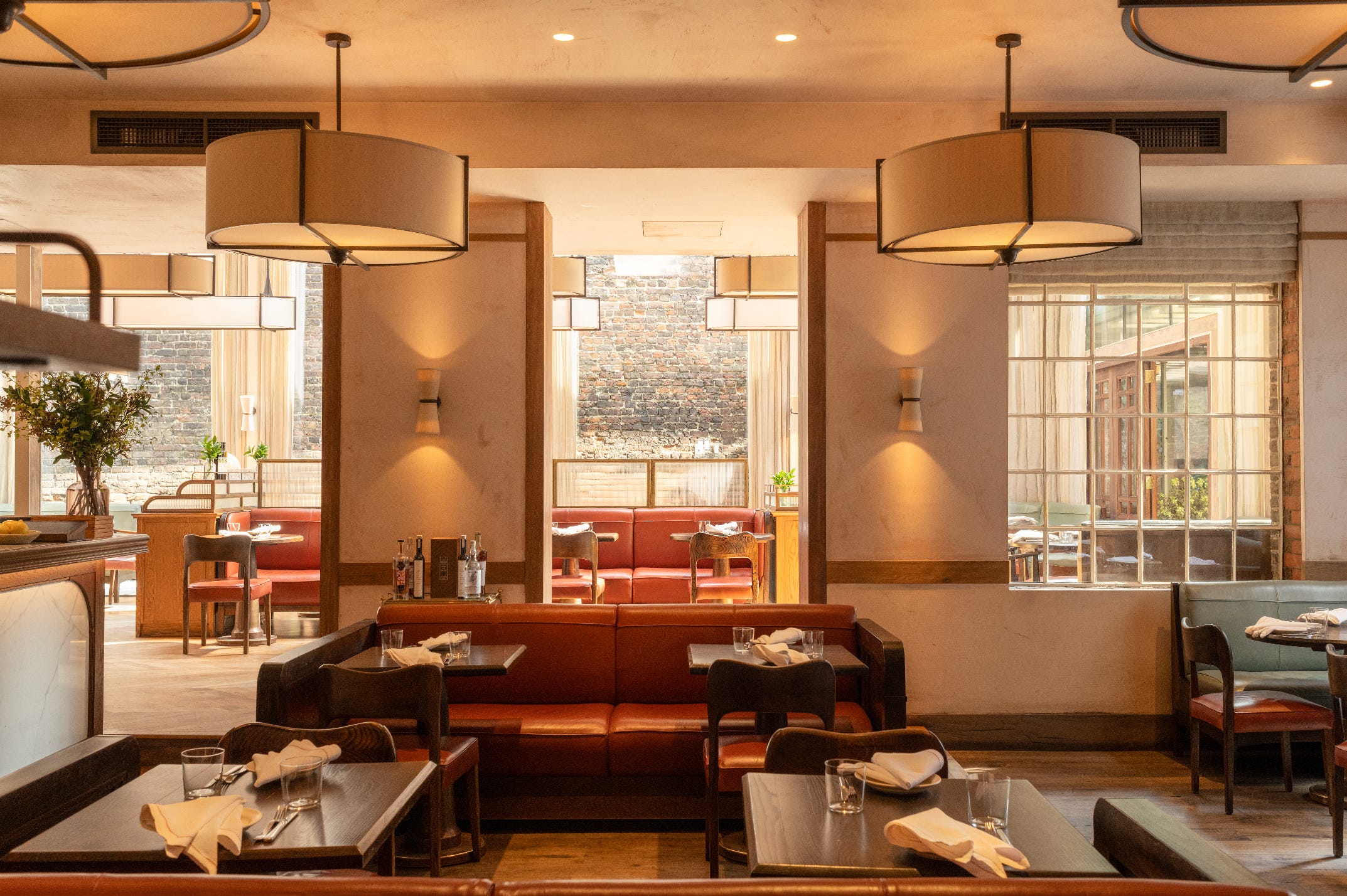
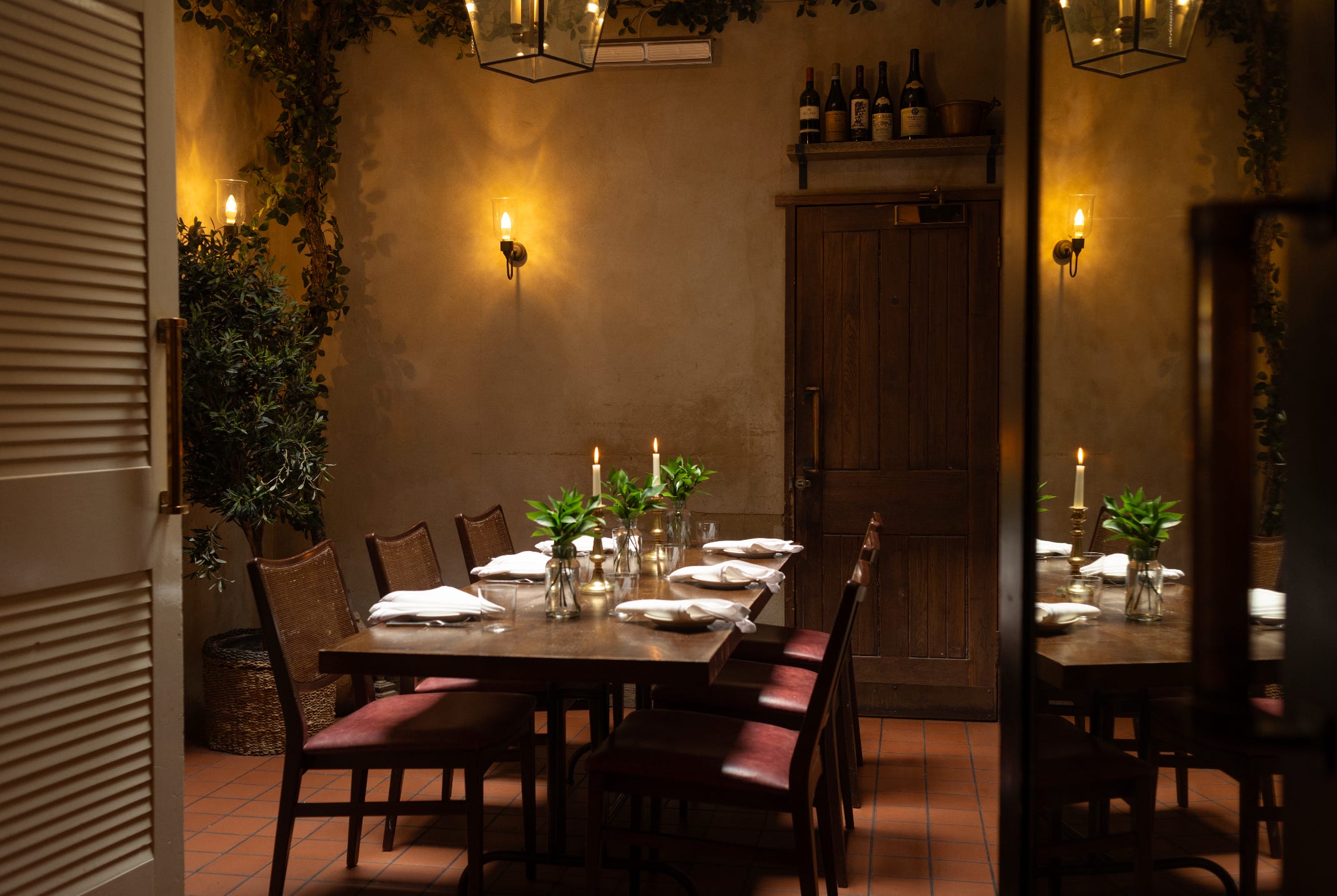
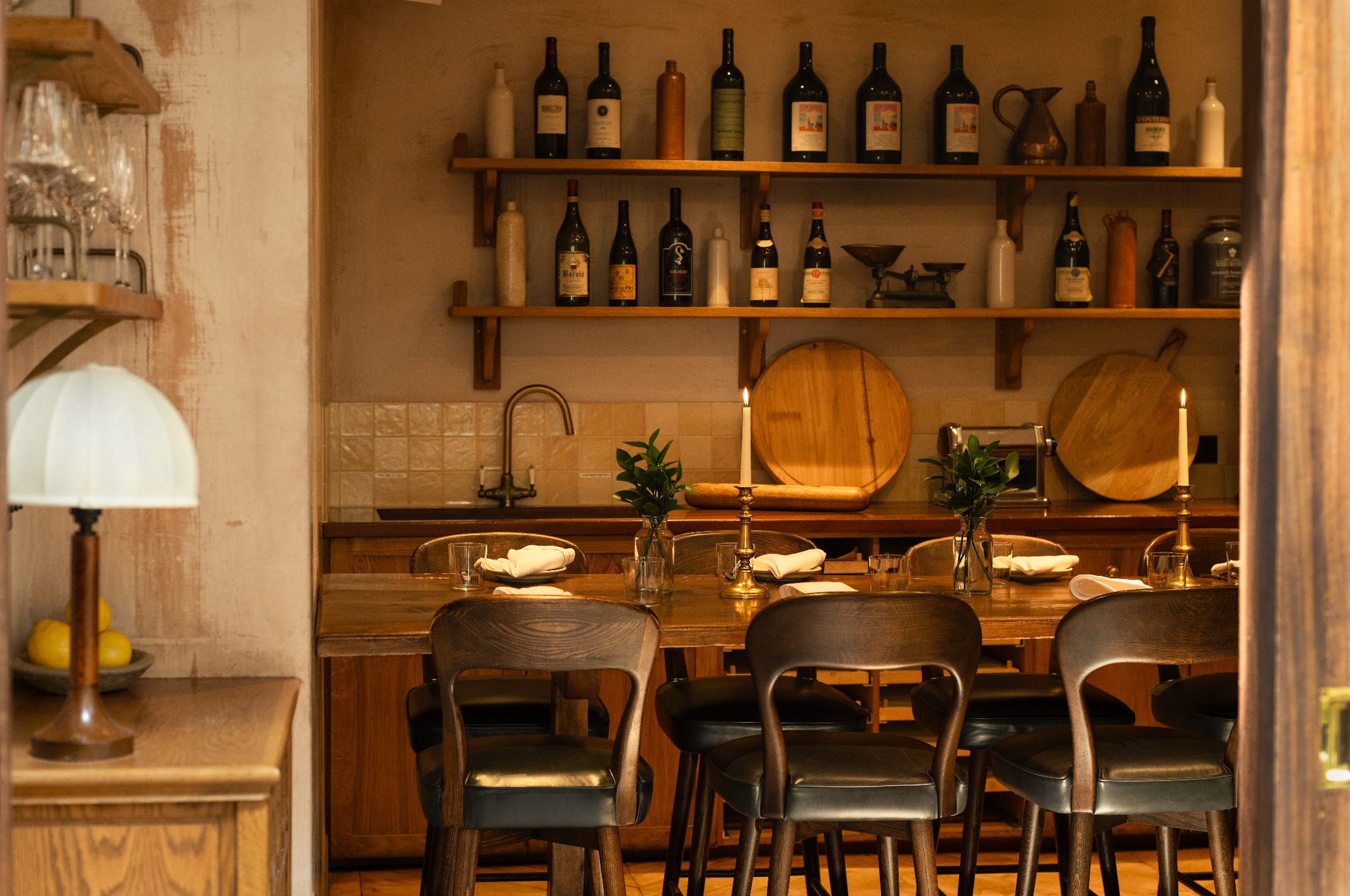
With LUCA, we wanted a big dining room, a bar and an à la carte menu, somewhere people could come for a drink or a spontaneous dinner without committing to a tasting menu. It was also an opportunity for us to grow as restaurateurs, to flex our operator muscles and see how our approach to hospitality would translate into a different kind of restaurant.
Clerkenwell was a surprising location for a 120-cover, upmarket Italian restaurant at the time; you would have expected to find something like that in Mayfair.
Daniel: Clerkenwell has such a rich history of Italian culture though, and when we found our Executive Chef, Robert Chambers, who Isaac had worked with at The Ledbury, I immediately connected with him. He’s an incredible chef, and so much of how LUCA’s food has evolved over the years is down to him.
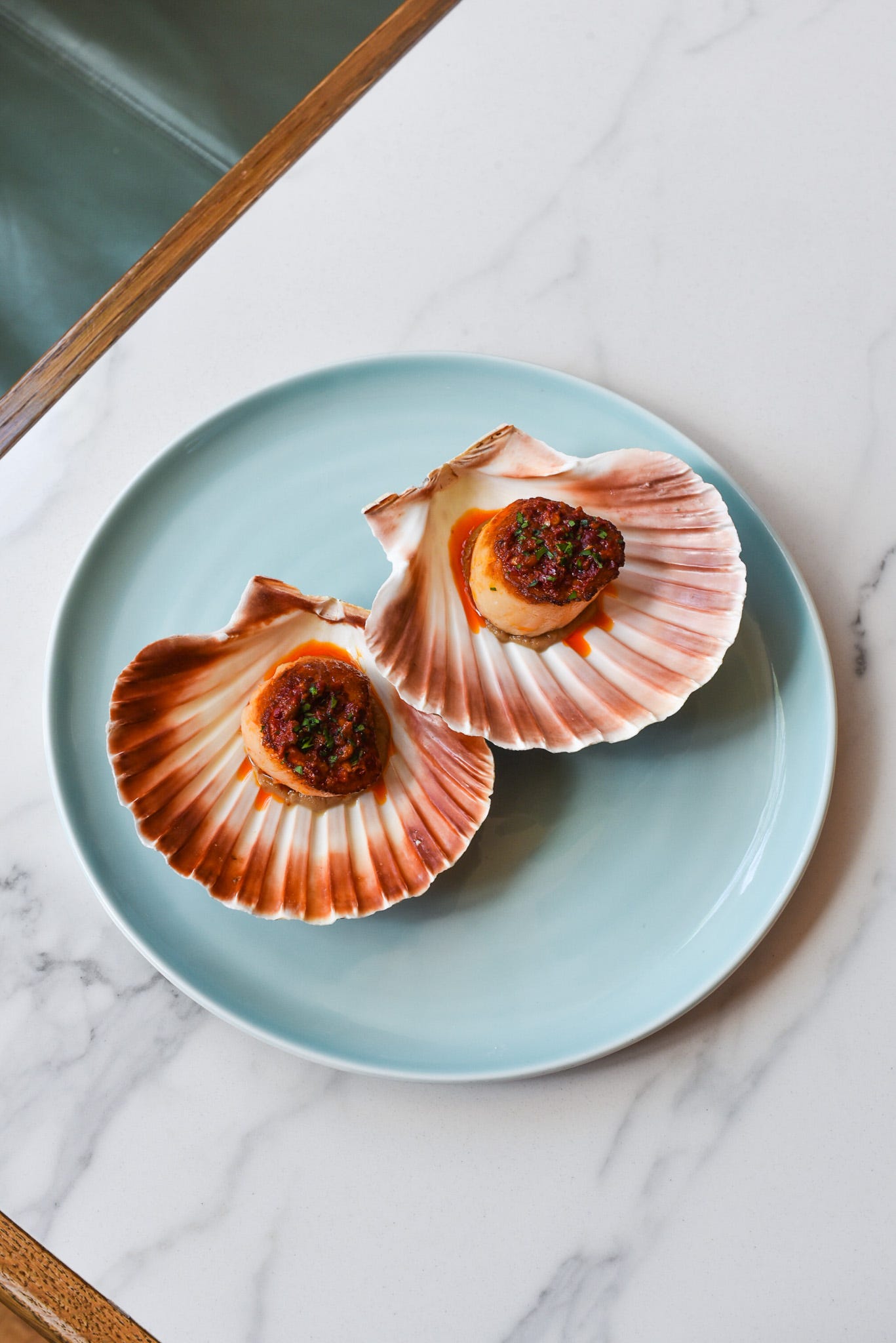
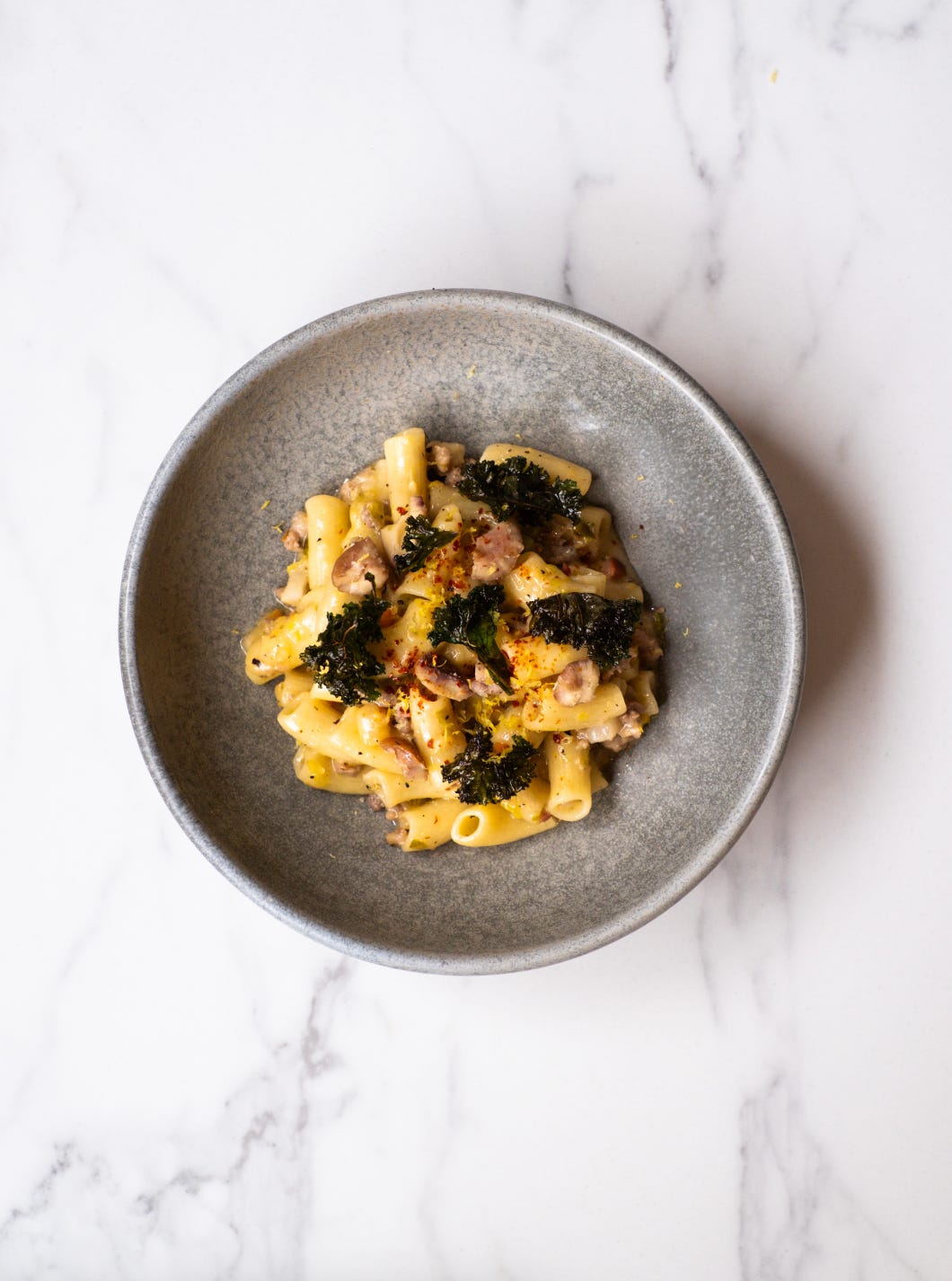
The menu wasn’t quite right at the beginning, and it took some tweaking, but Robert has this incredible lightness of touch and a very personal connection to Italian food through his family. This summer, Johnny and I visited Robert’s family village in Campania for the first time – seeing him there, meeting his family and friends and understanding how much of his culture has found its way into the restaurant was really special.
There’s a huge part of what makes LUCA what it is today that comes from Robert, and I don’t think we fully realised how important that would be when we first opened.
TFT: You’ve gone from hosting people in your own flat to running restaurants where an entire team is responsible for the experience. What makes someone a genuinely good host, and how do you teach that?
Daniel: I think there’s a certain vulnerability involved in hospitality, you have to be willing to ask people what you can do for them, and that requires humility. You have to genuinely love restaurants and want to look after people, but translating that instinct into an entire team is a different challenge, and something we’ve worked on a lot through mentorship.
Johnny: You need an innate desire to look after people and connect with them, and the challenge is finding people who share that spirit. Recently, we’ve been recruiting more young people without much restaurant experience, and there’s so much joy in working with someone who’s 20 years old and has that natural instinct for hospitality.
Daniel: We’ve actually come full circle on this. When we started, so much of our recruitment was based on initial connection, but as the business grew, we became more focused on experience and ended up hiring people who were completely wrong for us.
Jonny: Now we’re back to trusting our instincts and investing in people who share our values. Our one-year employee retention rate is over 80%, which is quite rare in our industry. We’ve also had several team members who’ve left, gone on to spread their wings elsewhere, and then returned to LUCA in a more senior role.
TFT: You’ve spent ten years building LUCA, do you think you could open the same restaurant in the same way if you were starting from scratch in London today?
Daniel: No, circumstances have changed so much, between social media, PR and people’s shorter attention spans, you have to be firing on all cylinders from day one. The economic conditions are incredibly tough, and you can’t develop a restaurant gradually in the way we did, you have to arrive fully formed. It would probably cost twice as much to open LUCA today, and I don’t think an independent operator could do what we did in the same way.
Johnny: When we opened LUCA, we were ahead of the social media hype machine, and you could build a successful restaurant simply by being a good restaurant and building goodwill one day at a time. We’ve had to move with the times, and the way restaurants engage with their communities has changed enormously.
TFT: After ten years of LUCA, what do you think really makes a restaurant stand the test of time?
Johnny: I think you have to see people as an opportunity for joy and connection, not an opportunity to make money. Over time, the money will come if you focus on doing it right for people.
Daniel: When someone chooses to come to your restaurant, they’re choosing to spend their money with you, and that’s something we never take for granted. You might be turning someone’s day around or helping them celebrate a 40th birthday, and there’s something really special about being able to play a part in those moments.
I think people can feel when a restaurant has been created with love. You can have all the financial backing in the world, but if there’s no heart behind it, people notice. When you genuinely care about the experience you’re creating, people feel that, and it’s what brings them back.
LUCA celebrates its tenth anniversary this month. You can book a table here and follow them on Instagram for the latest from the restaurant.


80% one year retention in restaurants is just wild!