


In ancient Greece hospitality was considered a sacred duty. Known as xenia, it’s a code of generosity between a host and guest that appears throughout Homer’s Odyssey. If a stranger arrived at your door they were offered food and wine before you even asked their name. Looking after people wasn’t an act of exceptional kindness, it’s just simply what you did.
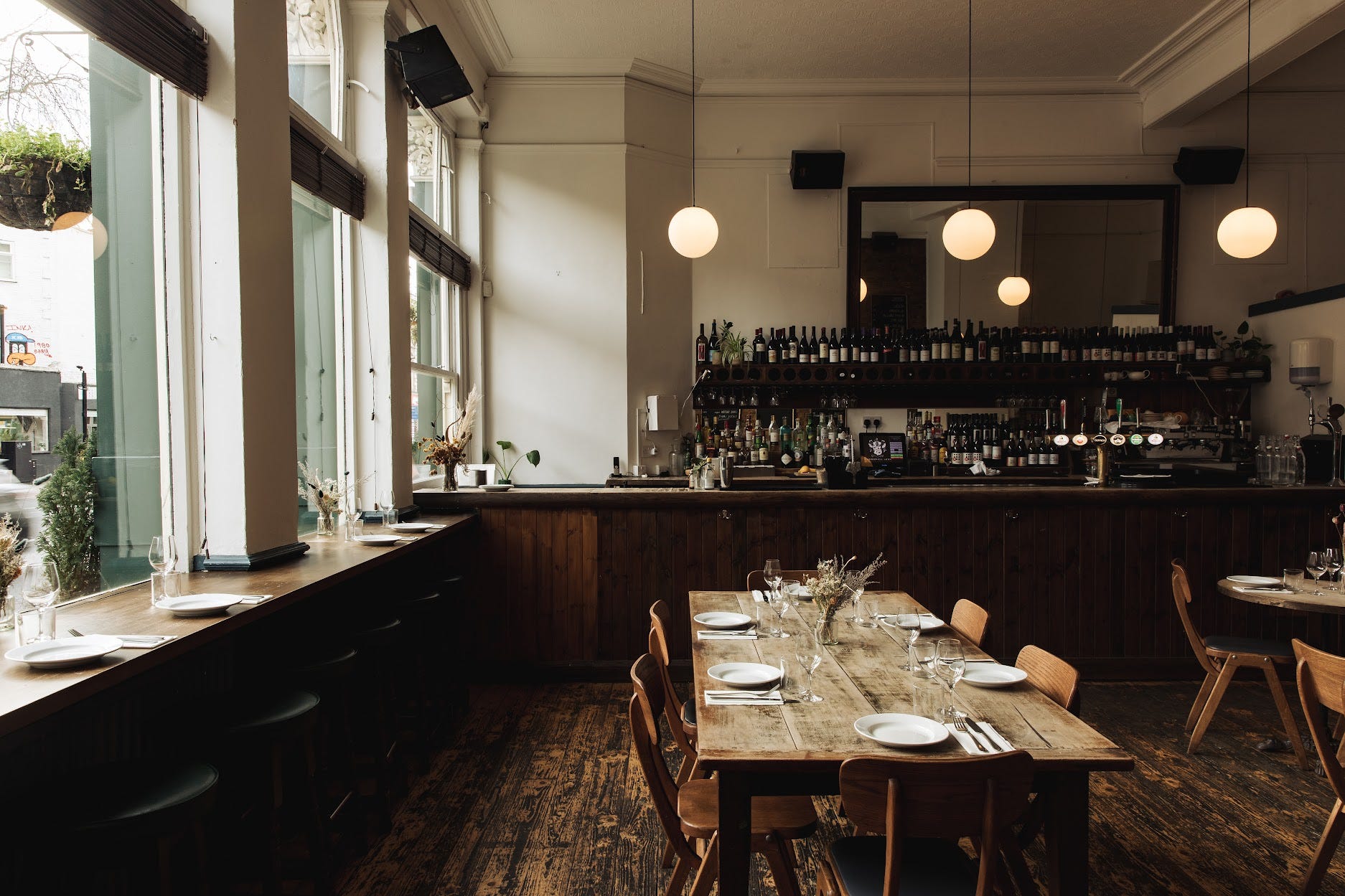
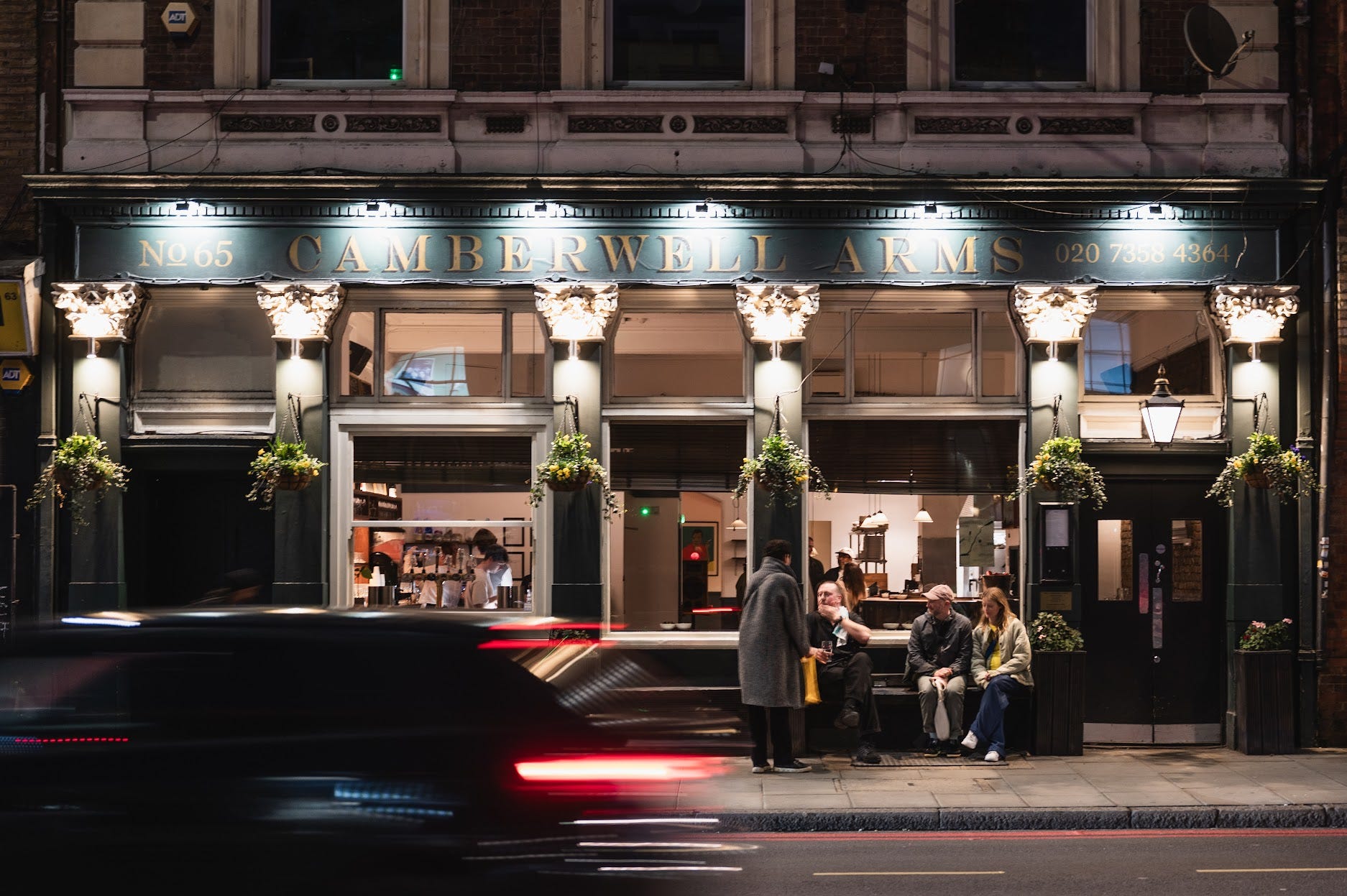
I was introduced to this ancient code by Mike Davies, who opened The Camberwell Arms in 2014, aged just 25. He shared that this concept has been foundational to how The Camberwell Arms has operated over the past twelve years, and he’s clearly onto something. The Camberwell Arms has become one of London’s best-loved neighbourhood restaurants, as much a local pub as a destination for diners travelling across the city, particularly for its Sunday lunch.
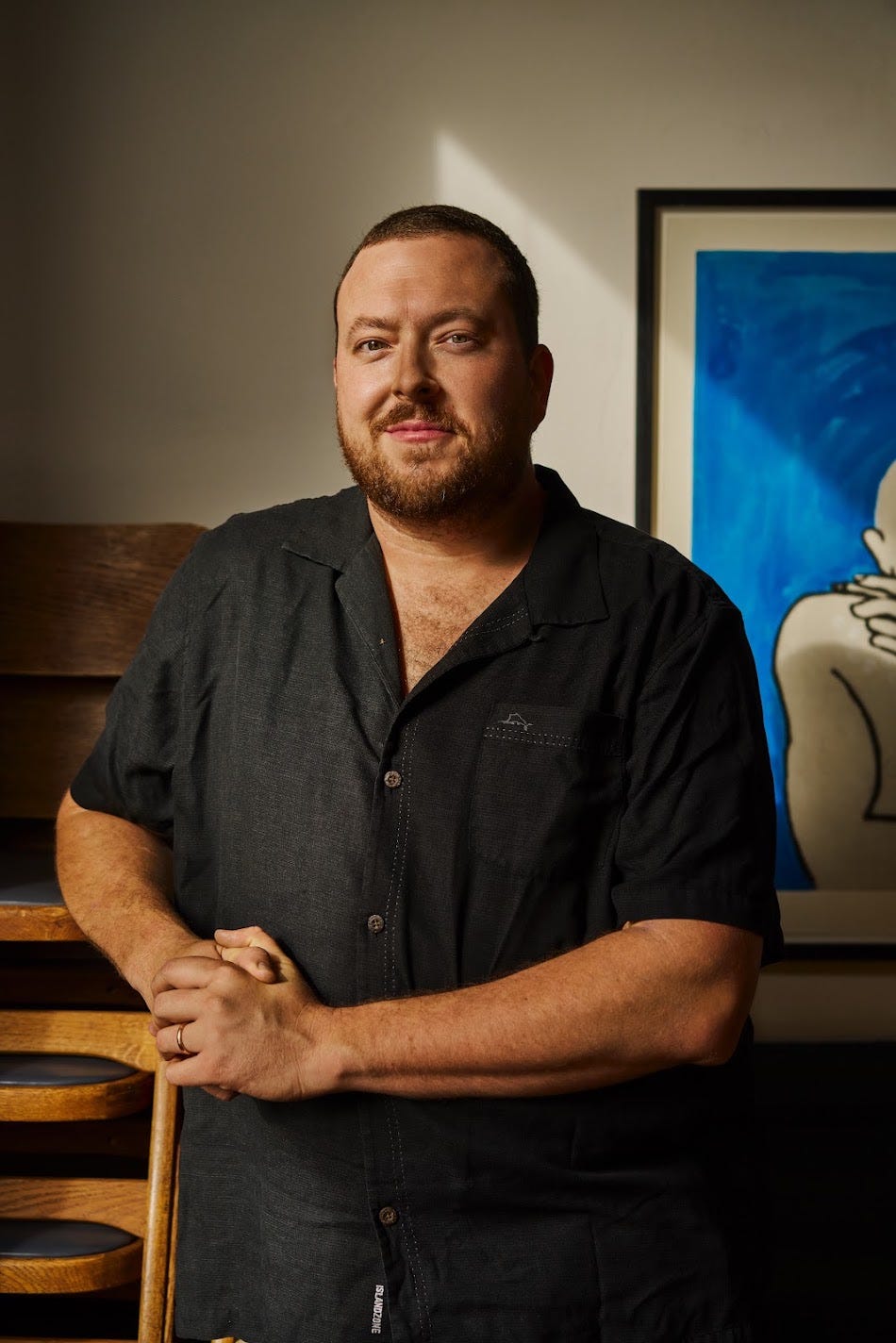
The food is undoubtedly part of its appeal. Mike is obsessive about ingredients, even establishing his own butchery with Farmer Tom Jones, to have greater control over where his meat comes from. But for all the attention paid to what’s on the plate, it’s the hospitality that keeps people coming back. And in some cases, they have been coming back for twelve years. Mike tells me that when they first opened there was a group of art students who’d stop by for a pint and a snack. Today, some of those same customers are returning to host parties of their own.
It’s this kind of loyalty that suggests The Camberwell Arms is doing something really special. What makes people feel so welcome somewhere that they keep coming back, year after year? And what does it take to create that feeling?
I spoke to Mike about where his understanding of hospitality began and what twelve years at The Camberwell Arms have taught him about looking after people.
TFT: We tend to judge restaurants on the quality of their service, but is good service necessarily the same thing as good hospitality?
MD: Good service, at its most basic, is functional. You can take someone’s order, bring them their food and do everything you’re supposed to do without necessarily being particularly involved in their experience.
Genuine hospitality goes further than that. It comes from people who really care about what they’re doing, who are engaged with the restaurant and believe in what it’s trying to achieve. That makes a huge difference to the experience of the person being looked after.
You can deliver perfectly good service by going through the motions, but there’s something much more rewarding about being looked after by somebody who genuinely cares.
TFT: Before you ever worked in restaurants, where did you first learn what it meant to make somebody feel genuinely looked after?
MD: My mother and grandmother, without question.
My mum cooked everything for us growing up. It wasn’t necessarily fancy, but she understood food and cared about what we ate. My grandmother took things even further. She was always interested in cooking, writing recipes, planning menus and hosting elaborate dinner parties.
I remember going to her house with my sister and she’d have baked a cake for us. As a child, you don’t necessarily appreciate what goes into something like that. But looking back, there was so much love in it. She was showing us how much she cared through the food she’d made.
That’s where my understanding of hospitality comes from. I learned it from women who understood the value of looking after people.
TFT: You opened The Camberwell Arms when you were just 25. What kind of place did you want to create?
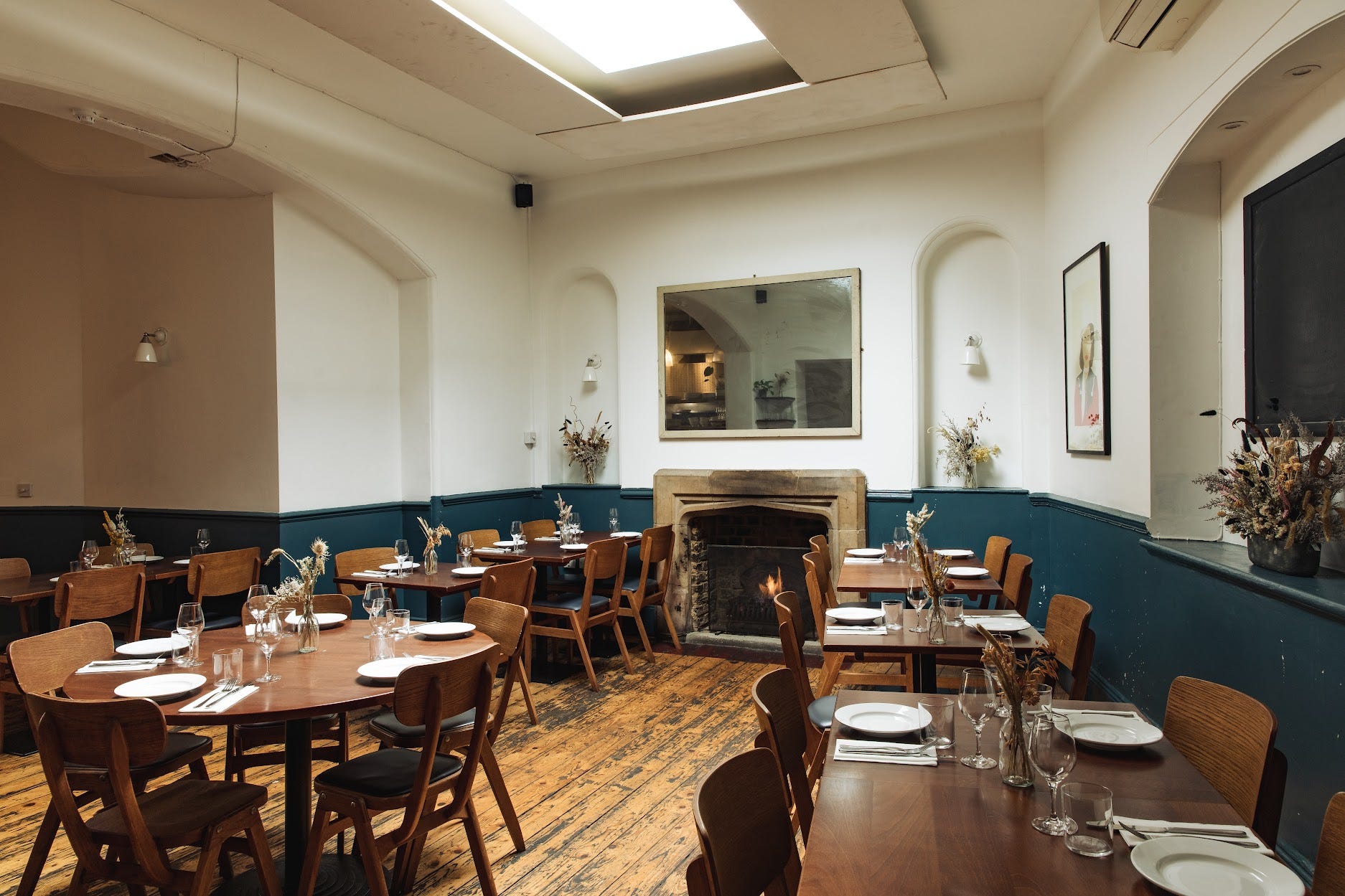
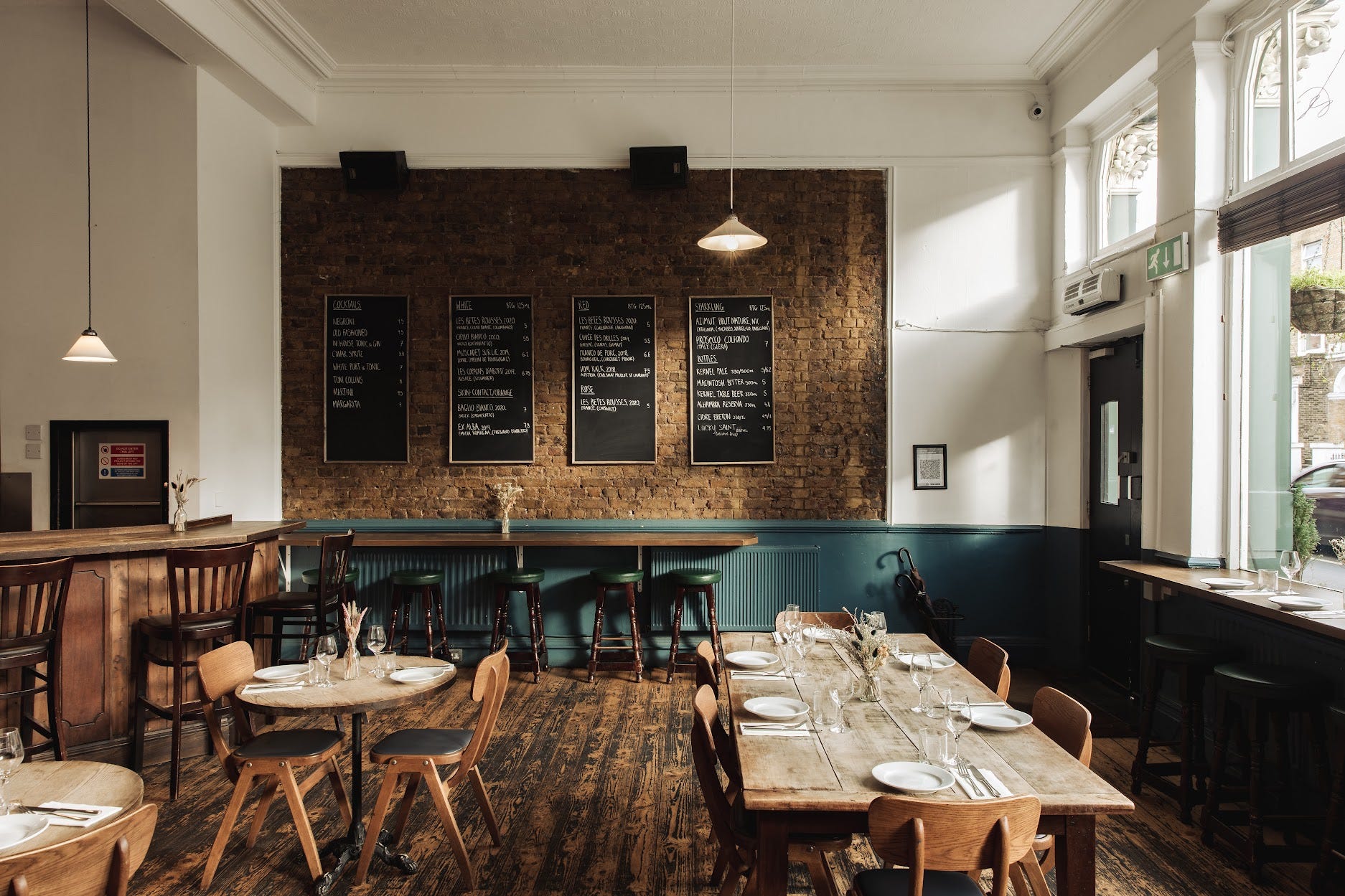
MD: Those early days were a bit like the Wild West. I was so young and didn’t really know what I was doing, but I always knew the kind of place I wanted The Camberwell Arms to be. Back then there was nothing like what we were planning, the vision was always to bring the quality of food you’d find in a really good central London restaurant to the neighbourhood. The best ingredients, no compromises on cooking, but without the formality you’d associate with fine dining.
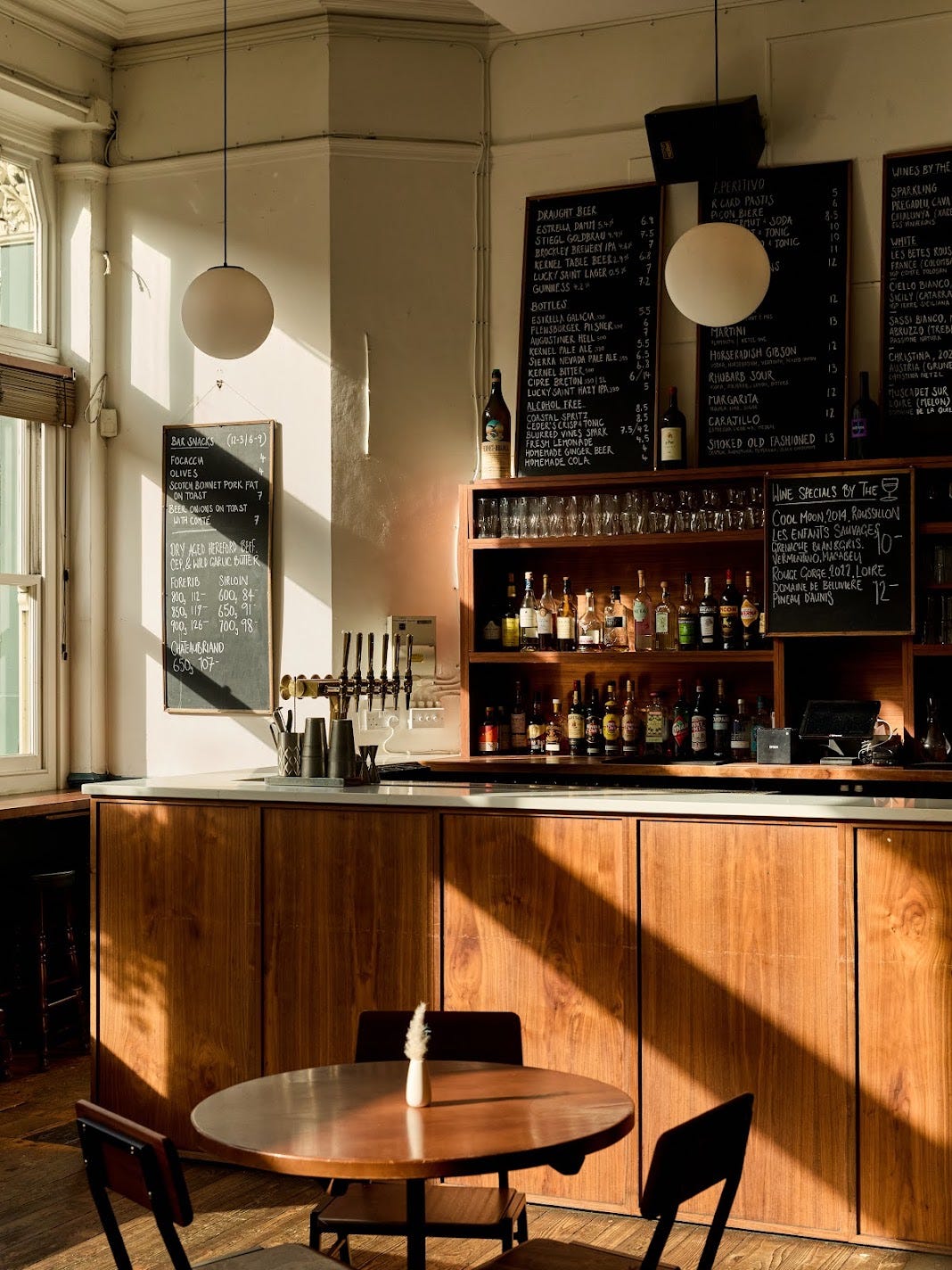
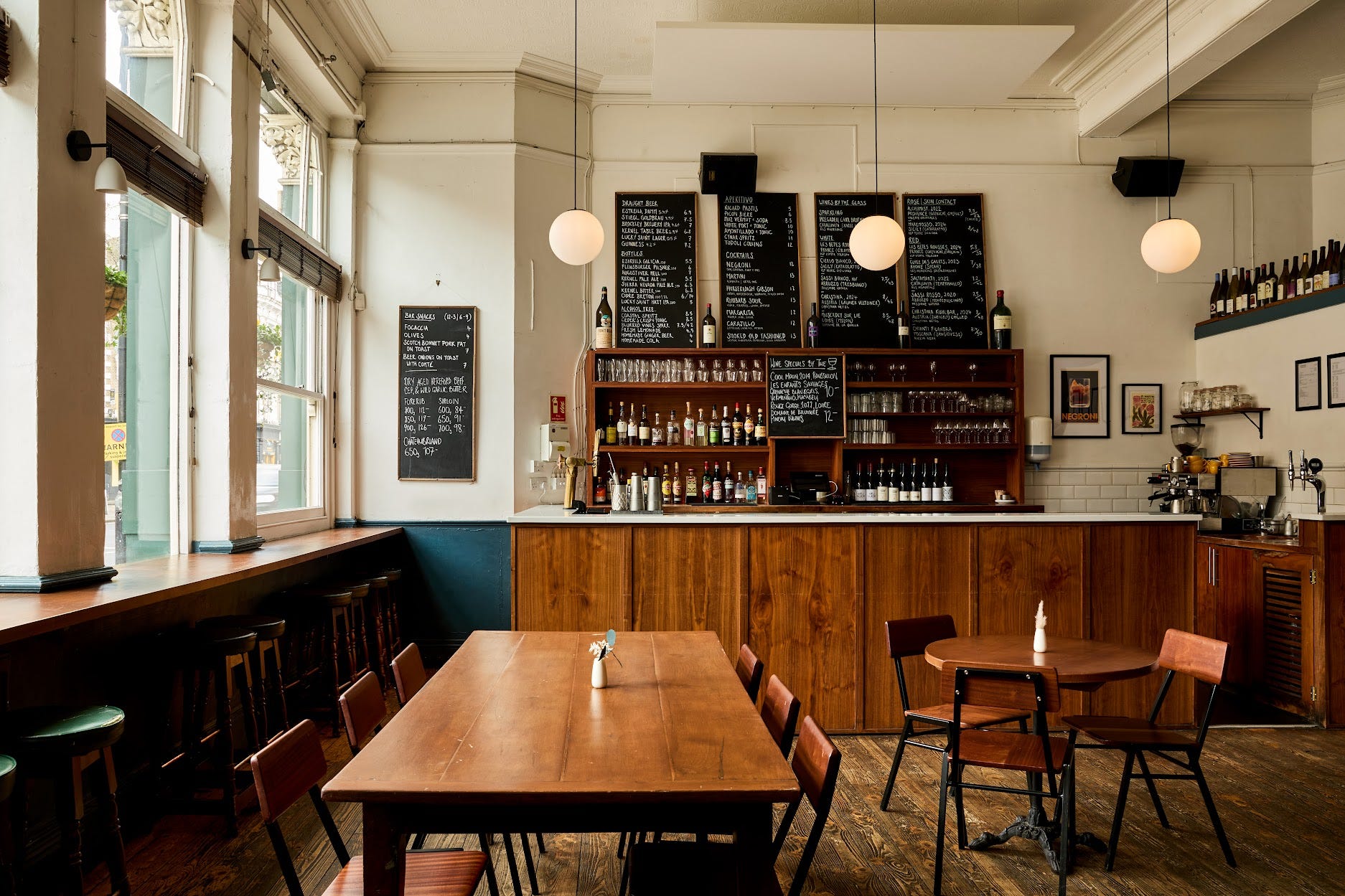
The pub was a really important part of that. Once we opened we realised how much people wanted to use the bar for drinking, rather than just coming in for a meal. It was so important that we kept that alive, you should be able to come in for a point just as easily you could sit down for a really good dinner.
It’s taken us a long time, but I think we’re finally doing what we originally set out to do.
TFT: What makes a restaurant feel genuinely loved, rather than simply well run?
MD: I think there’s something intangible about it. You can walk into a place and get a sense that the people behind it genuinely care.
That’s something we’ve always tried to create at The Camberwell Arms. Vicky and Joe, my now business partners, have been there since the beginning, and we’ve all loved the restaurant from the start. We’ve tried to make that show up in the way we run it.
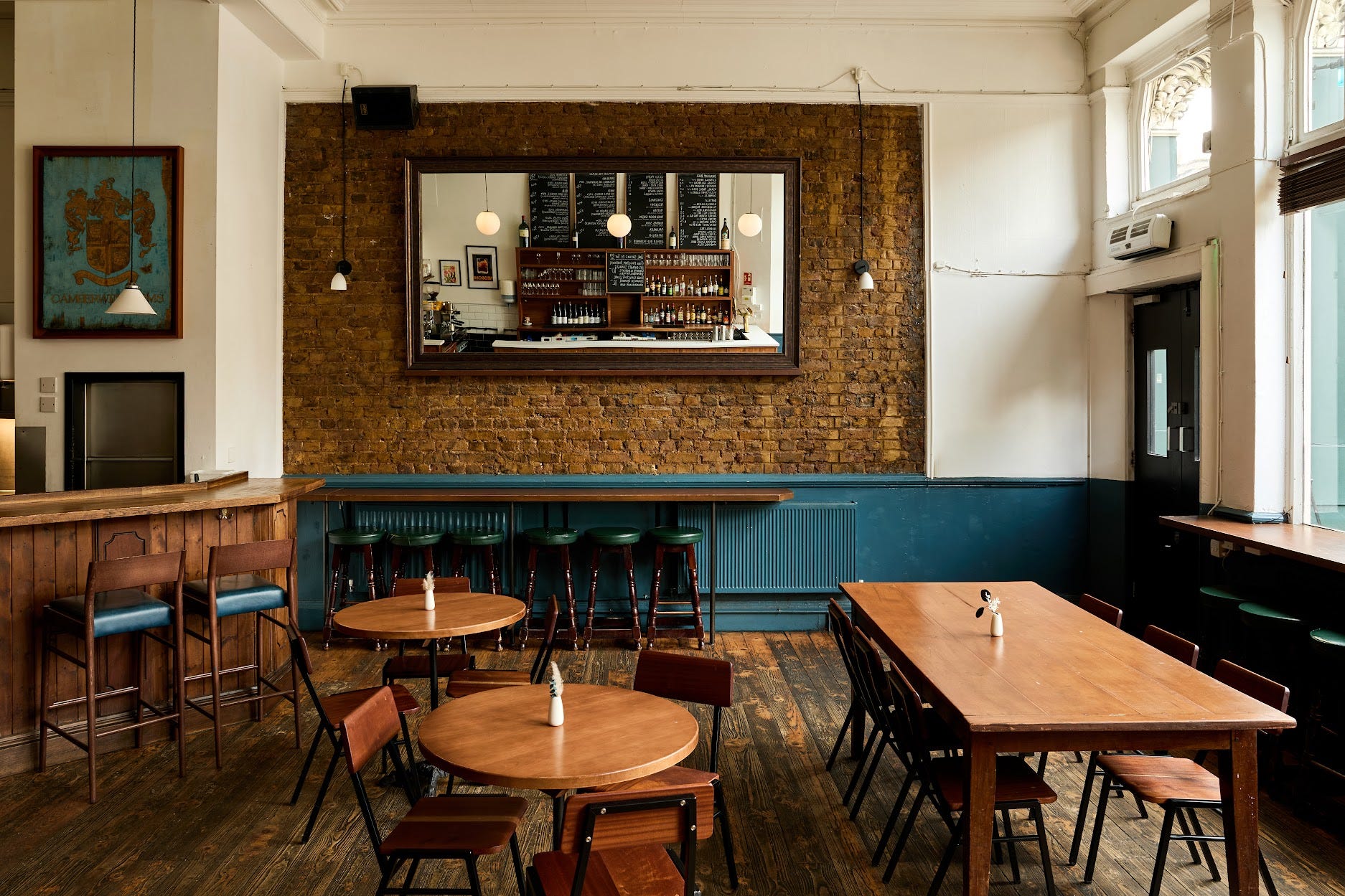
For me, that’s the bedrock of The Camberwell Arms. The space itself should feel loved.
TFT: Great hospitality often comes at a cost. What are the things you believe are always worth spending more on?
MD: There are certain things we simply won’t compromise on.
The quality and provenance of our ingredients is one of them. We have our own butchery business with Farmer Tom Jones and buy all our meat through that. We work with a small number of farmers, so we understand where the animals have come from, how they’ve been raised and what they’ve been fed.
That level of transparency comes at a premium, but it’s important to me that we know exactly where the food we’re serving has come from.
The other major investment is our staff, hospitality is demanding work, and you can’t expect people who are exhausted or under constant pressure to look after customers properly.
We try to make sure people have their breaks and aren’t being pushed into situations where they’re too stressed to do their jobs well. That means having enough people on the team, which obviously costs more.
But if you can’t look after yourself, you can’t look after anybody else. I think that applies to the whole restaurant.
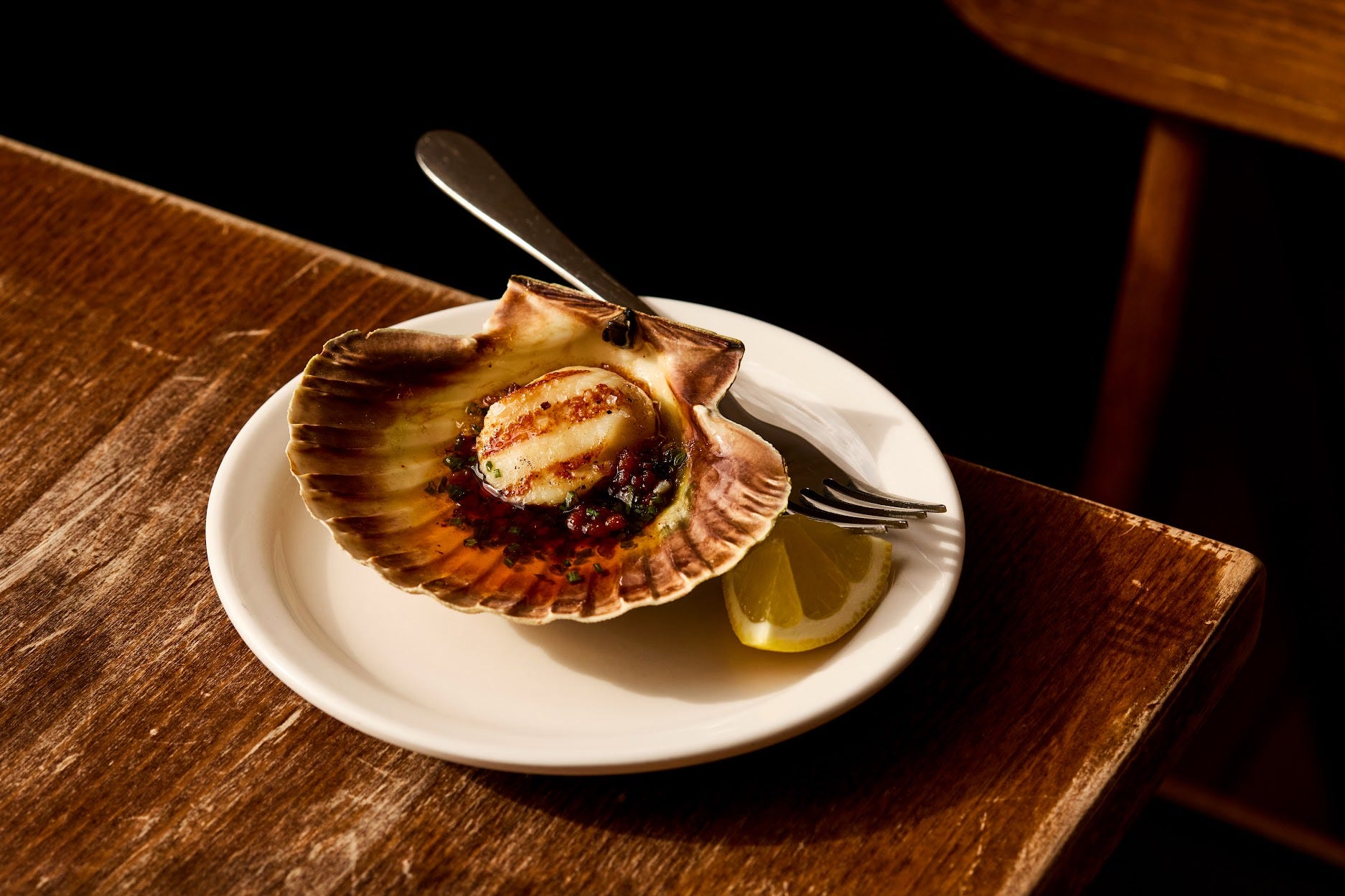
TFT: Today, The Camberwell Arms is somewhere people travel across London to visit. How do you balance being a destination restaurant with remaining a neighbourhood pub?
MD: Our ambition was never to become a destination, we’ve only ever focused on making our restaurant better and have never tried to become a particular kind of place.
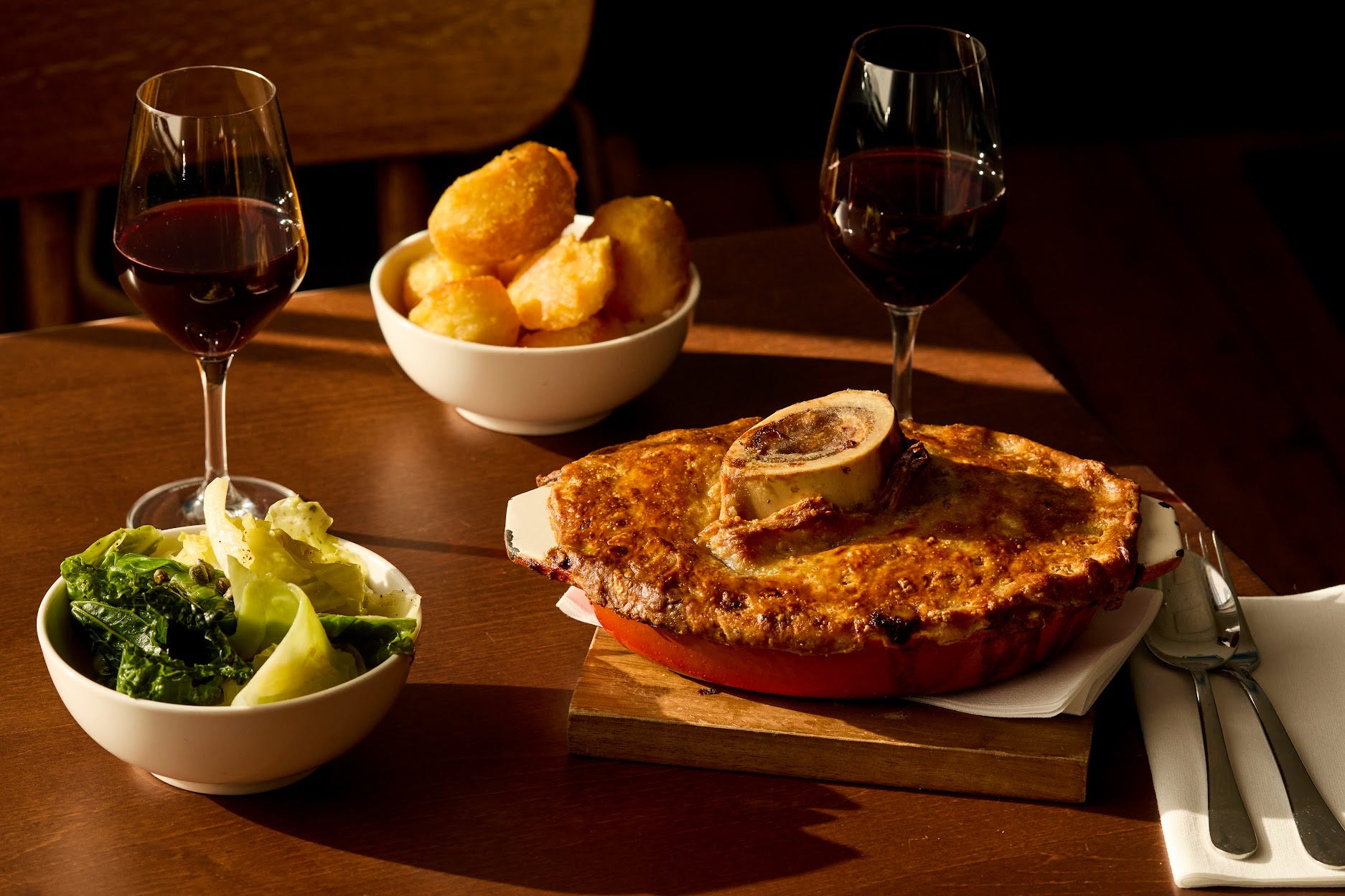
Sunday lunch is probably where we feel the tension between neighbourhood pub and destination restaurant the most because we book up a month in advance.
But the restaurant really does keep getting better. We’re much more experienced now and work constantly on improving our food and service. Hopefully locals and regulars benefit from that too.
TFT: Sunday lunch has become one of the things The Camberwell Arms is best known for, yet you didn’t grow up eating it. How much of hospitality is putting aside your own preferences for what your customers want?
We didn’t really have Sunday lunch when I was growing up. We’d usually have leftovers, which I loved. It was more like a picnic, with everything laid out on the table.
So Sunday lunch isn’t necessarily the part of what we do that interests me most personally.
But as I’ve got older, I’ve become less tolerant of that attitude in myself. Just because something isn’t my favourite thing doesn’t mean it shouldn’t be absolutely brilliant for the people who love it.
I’ve learned to understand the importance of compromise. There are things I’ll put on the menu because I know customers will really enjoy them, even if they’re not necessarily what I’d choose to cook first.
I’d never put something on the menu that I wouldn’t want to eat myself, but running a restaurant means recognising that your customers don’t necessarily want exactly the same things you do.
TFT: Is there anything you understand now about looking after people that you didn’t understand when you first opened?
MD: When you’re young and putting so much of yourself into the business, it’s very easy to take criticism personally. In the early days if somebody didn’t like something it felt a bit like rejection.
Today I see it differently. If somebody takes the time to give you feedback, even if they’re angry, you have to approach them with compassion. Their experience wasn’t what they wanted it to be and it’s our responsibility to recognise that rather than becoming defensive.
When we get something wrong, we’ll invite people back and make sure they have the experience we intended in the first place.
I think learning to understand somebody elses experience and not taking everything so personally have been the most important changes for me.
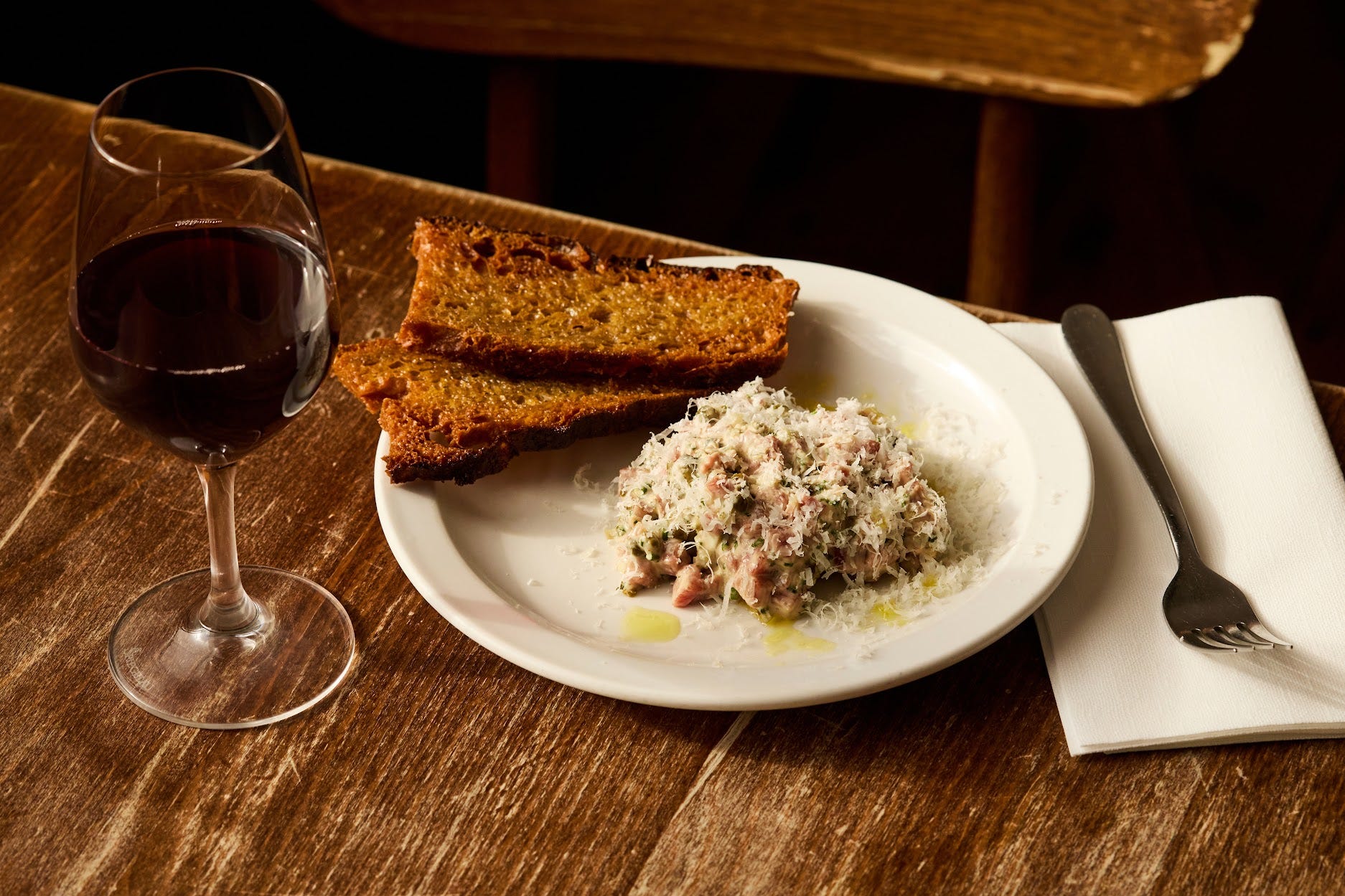
TFT: And finally, after twelve years what do you hope somebody feels when they leave The Camberwell Arms?
I really want people to feel welcomed. Of course I also want them to enjoy the food and drink too. I want regulars to feel that the restaurant is continuing to get better, and I want people visiting for the first time to leave wanting to come back.
But what it really comes down to is whether or not people feel welcome.
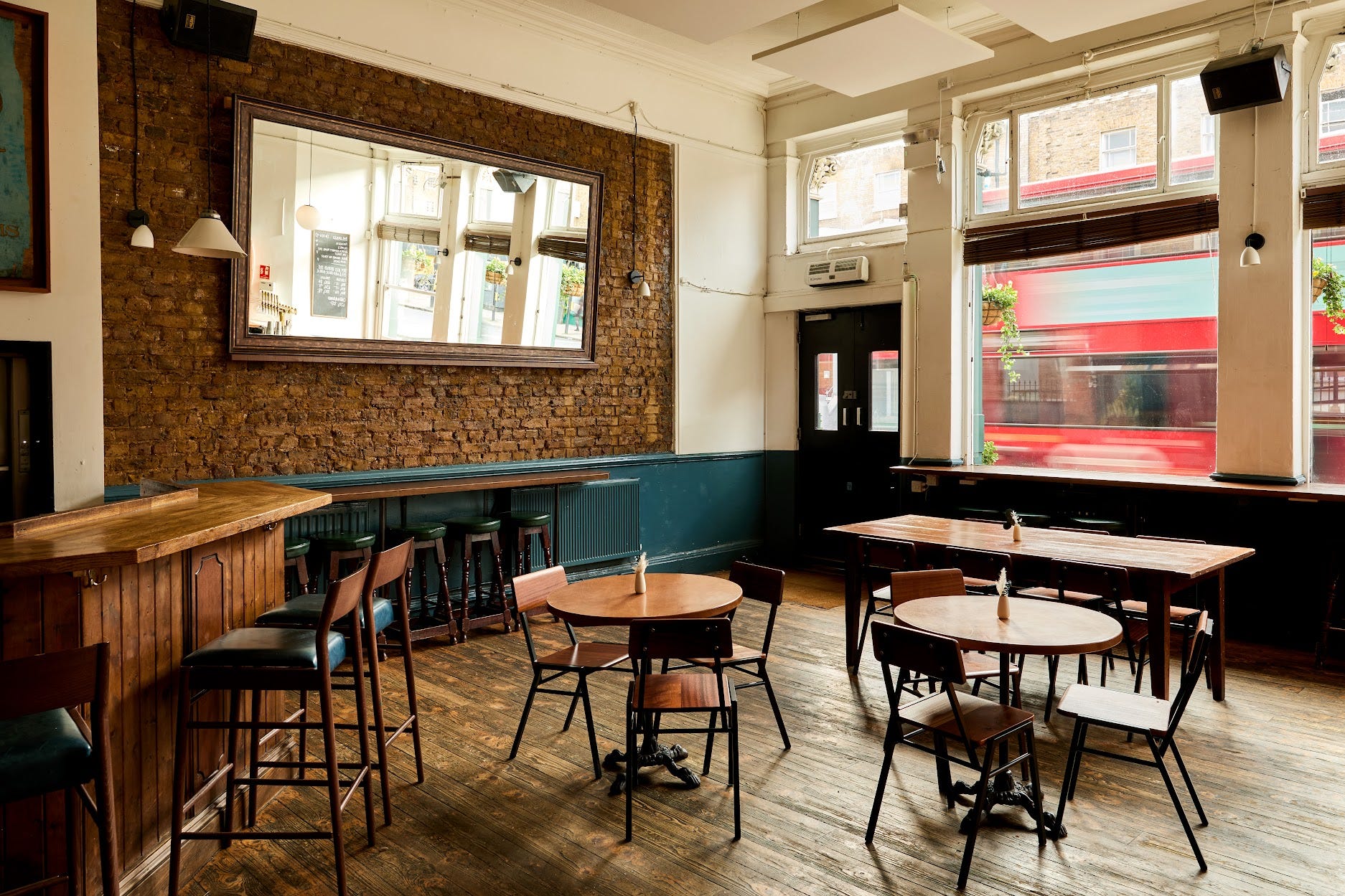
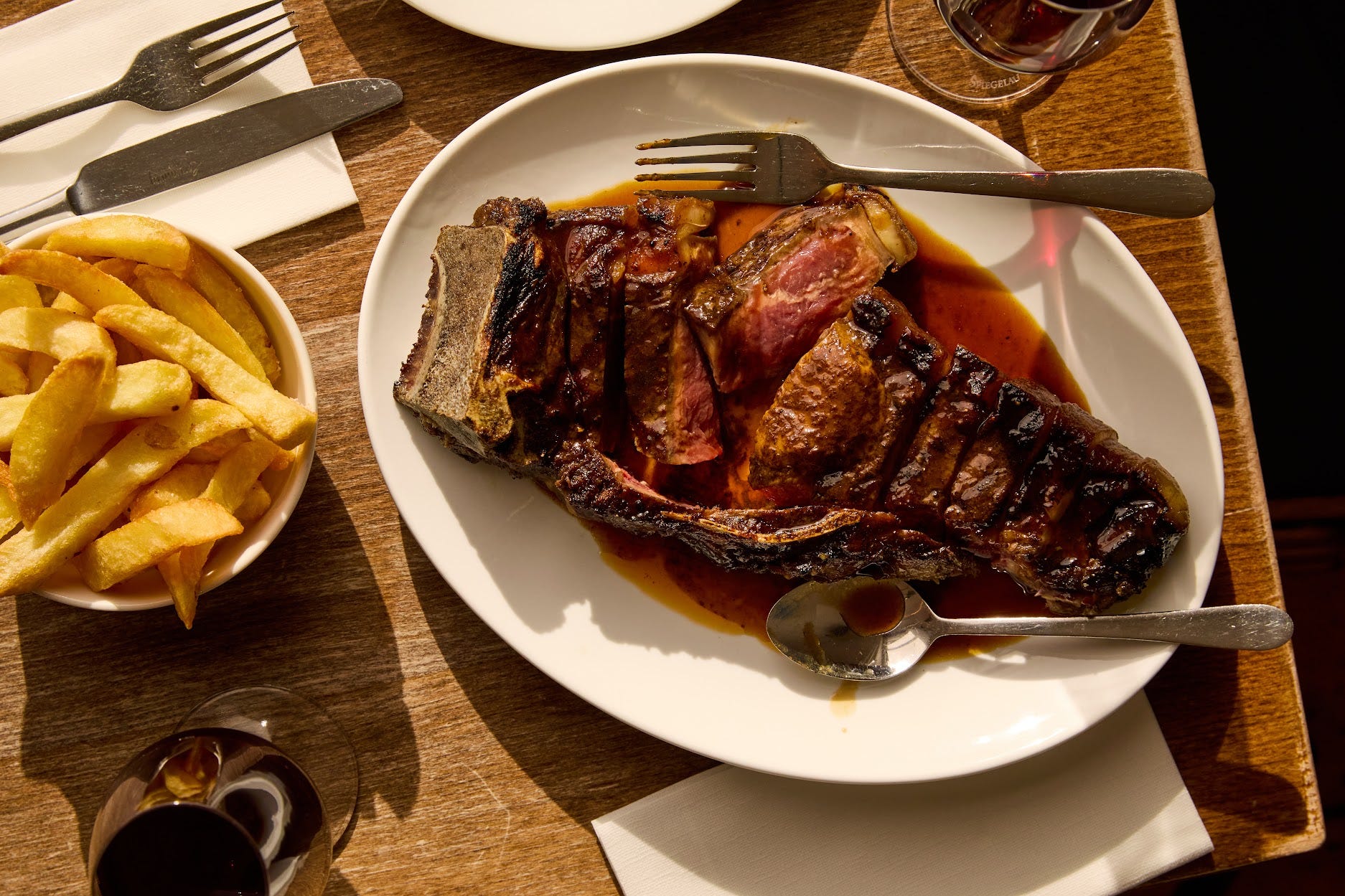
The Camberwell Arms is one of the best places to spend a Sunday afternoon. You can book their Sunday lunch on their website and follow along on Instagram.


I am constantly recommending Mike Davies’ book, Cooking For People; it’s an absolute GEM.
The food is so good there. Wish I lived south of the river!