


One of the best parts about living in a city like London is there’s never a shortage of new places to eat. September 2026 alone has been a huge month for new restaurant openings. So far we’ve had dcco’s KID open, Chris D’Sylva’s new spot Nakimushi, and we have The Public House Group’s, The Horses, opening at the end of this month. And that’s just to name a few.
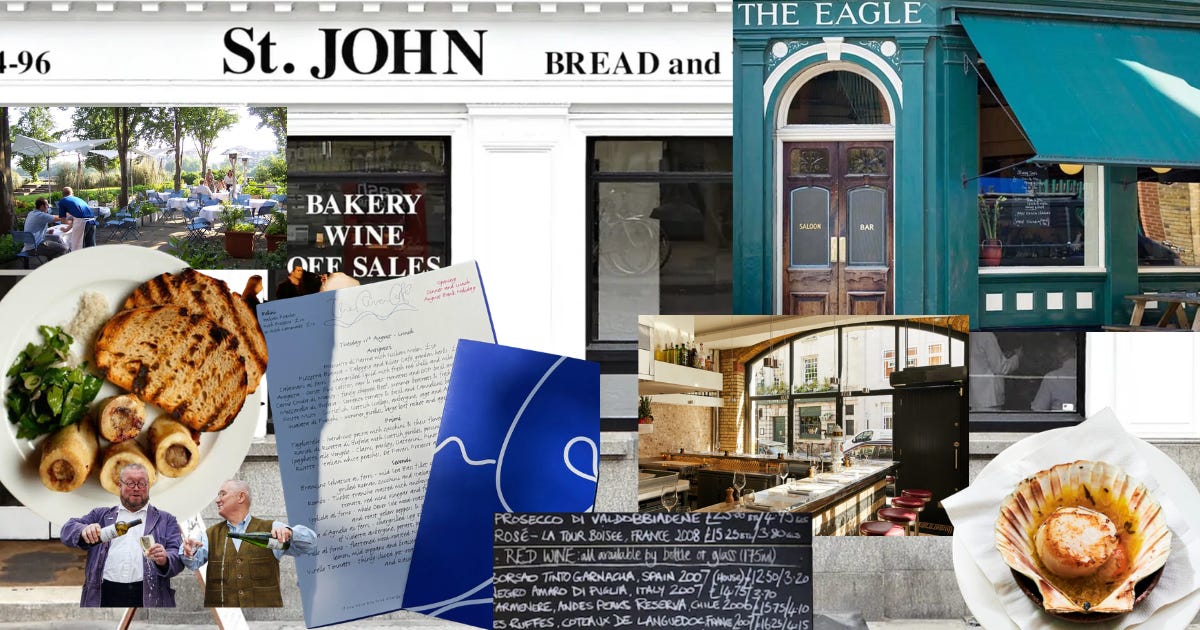
London is really good at celebrating what’s new, but as much as I love a new opening I’ve been trying to also revisit the institutions that built the way this city eats.
A few months ago I wrote How London Learned To Eat which covered the lineage of how London became one of the greatest dining cities in the world. But lately I’ve been thinking less about who came from where, and more about the ideas they left behind, and where we can taste and experience the inspiration that so many of the new openings pull from.
So whilst I have my list of new London openings for this autumn, I’ve also made a list of the institutions I’ll be revisiting, and today I’m sharing it with you.
These are six restaurants that changed the vocabulary of eating out in London. The things they pioneered now feel so familiar that we barely notice them: ingredient-led menus, restaurant-quality food in pubs, nose-to-tail cooking, open-fire kitchens, glamorous Asian dining and eating at the counter.
Let me know if there are any others you would add to this list x
THE RESTAURANTS
01. The River Café - Opened in 1987
Legacy: Introduced London to ingredient led, seasonal Italian cooking and the idea that simplicity could be luxurious.
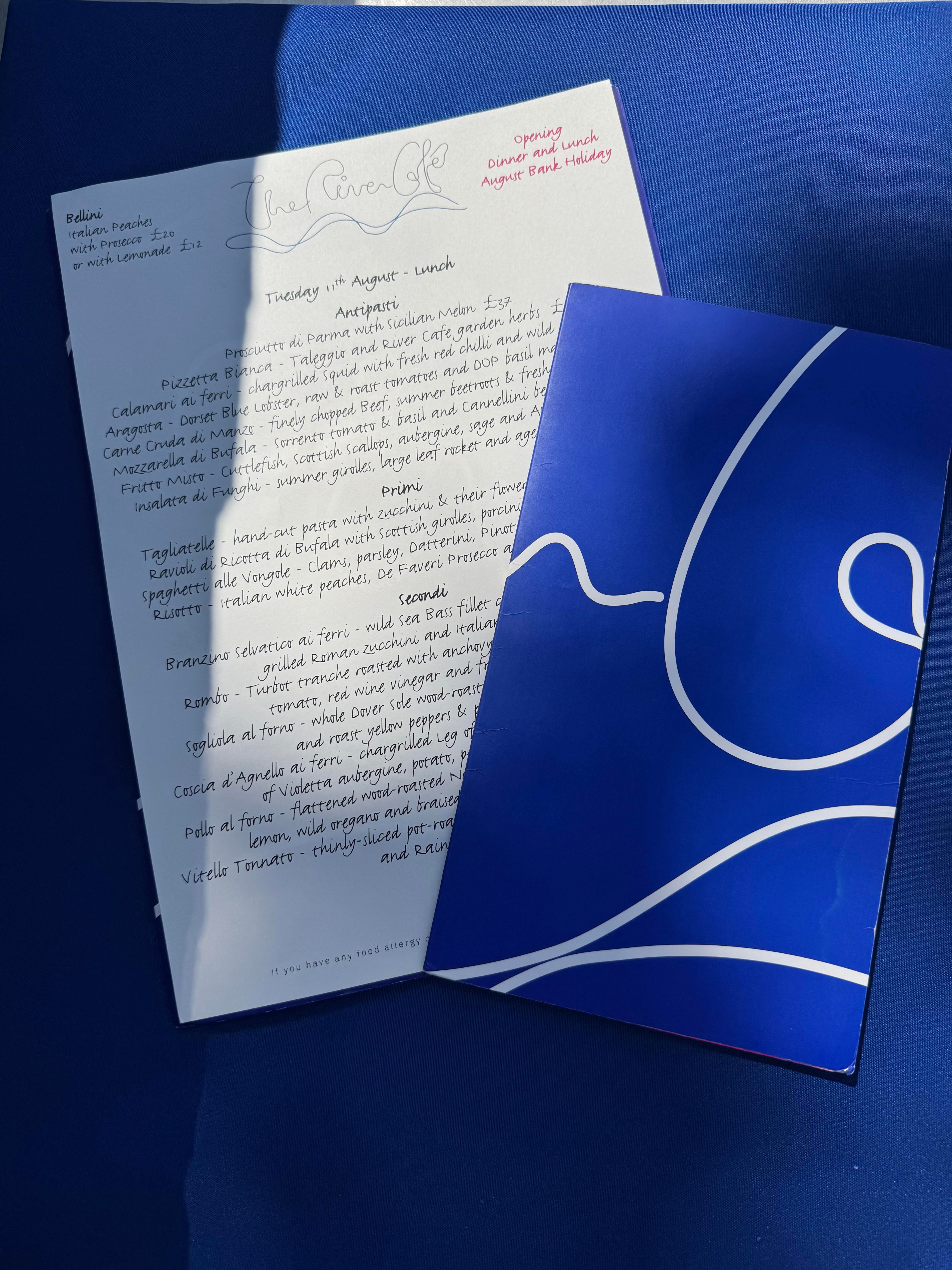
The River Cafe’s origin story is as iconic as the restaurant itself. Opened by Ruth Rogers and Rose Gray in Hammersmith, it started not as a restaurant but as a staff canteen for the Richard Rogers Partnership, Ruth’s husband’s architect company. Word began to spread about the kitchen’s ingredient led, simplistic approach to dining and by popular demand, the canteen opened its doors to the public and became the restaurant we love today.
These days, an ingredient led menu is table stakes for any decent restaurant, but The River Café helped put exceptional seasonal ingredients at the centre of London's idea of sophisticated cooking.
Where you can feel the influence today:
In the short menus, exceptional produce and deceptively simple plates at Café Cecilia and Toklas; and in Brat and Mountain's belief that an ingredient needs very little interference when it's good enough.
02. The Eagle - Opened in 1991
Legacy: Restaurant quality cooking in a pub, creating the template for the modern gastropub.
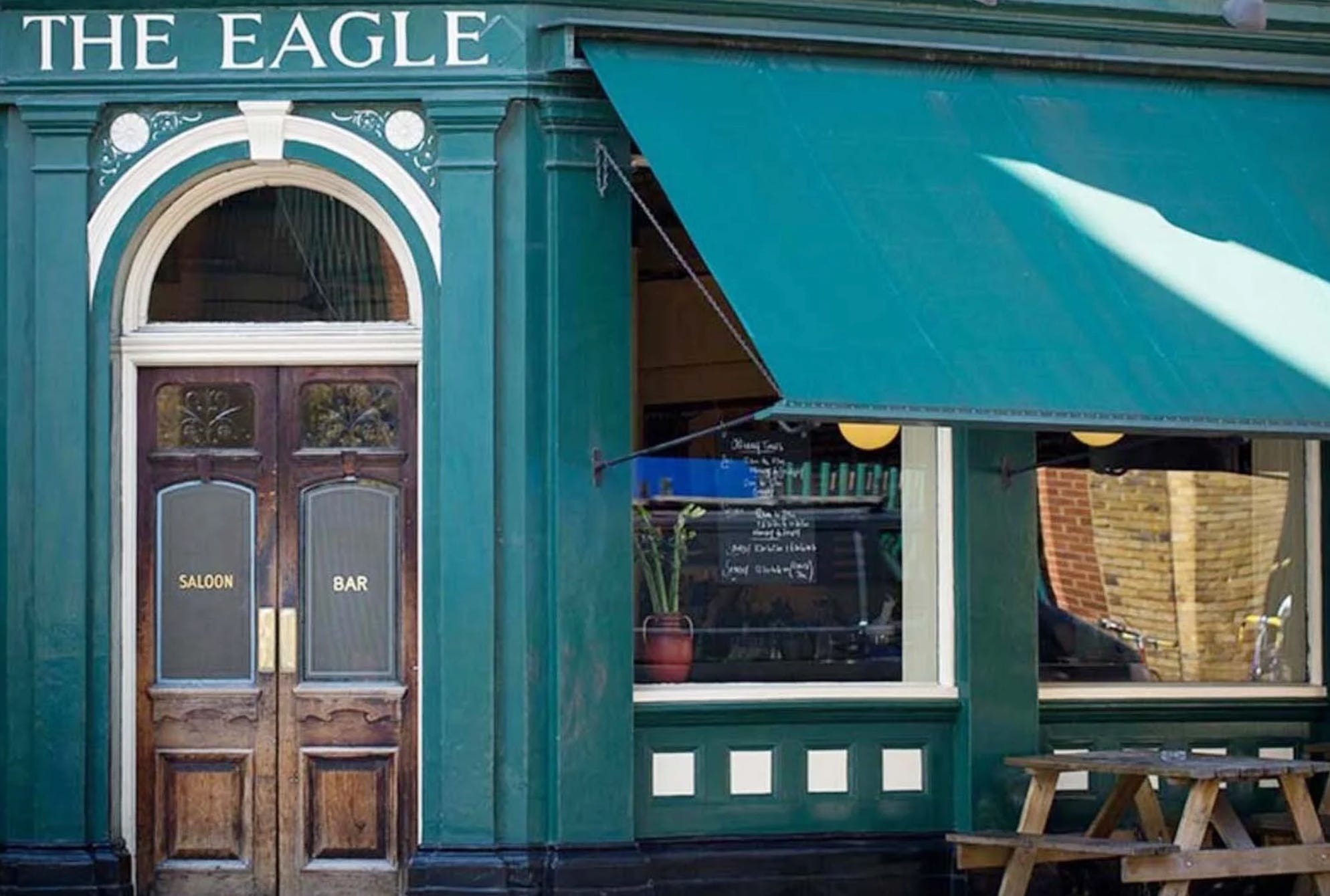
Ordering a proper meal at a pub feels quite ordinary today, but before The Eagle opened in 1991, going to a pub and going to a restaurant were two distinct experiences. The Eagle started offering food with a blackboard menu, a bar you ordered from, and food that was genuinely good.
Today, some of the best London menus are pub restaurants, influenced by The Eagle’s origin.
Where you can feel the influence today:
Every time a pub like The Camberwell Arms or The Pelican serves food worth crossing London for without losing the informality that makes it a pub.
03. St. John - Opened in 1994
Legacy: Nose-to-tail, whole animal cooking with radical simplicity
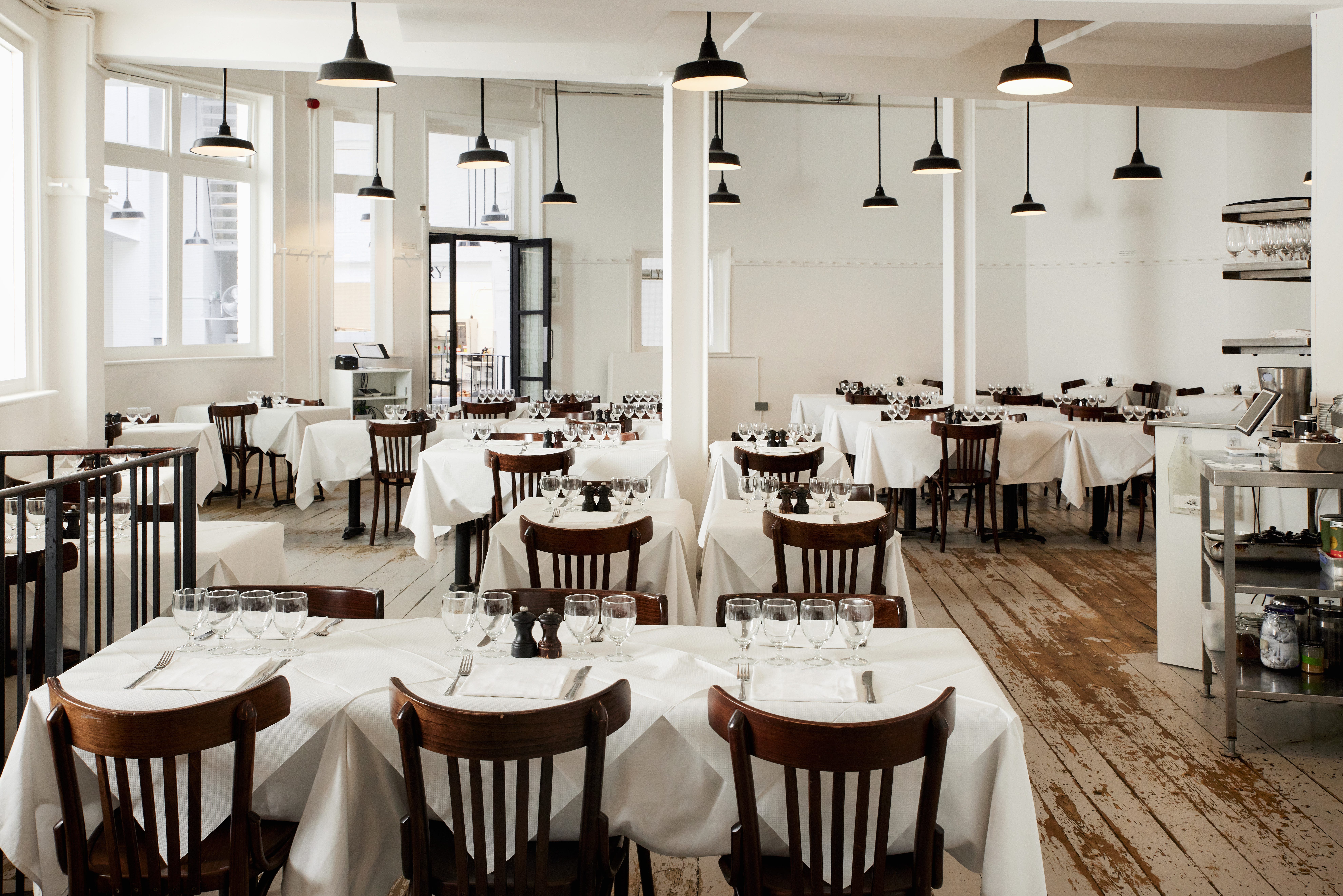
Fergus Henderson jokes that when St. John opened in 1994, Smithfield and Clerkenwell felt like a post-apocalyptic, decaying neighbourhood. The restaurant opened with whitewashed walls, hard floors, no art, no music, no flowers. Henderson, a trained architect, deliberately stripped the space of all of this, his philosophy that people, food and conversation should provide the room with everything it needed.
But it was the food at St. John that was actually most defiant. This was Britain in the 1990s, when ambitious, elaborate restaurants, like La Gavroche and Harvey’s, were the most celebrated. Meanwhile, St. John’s ethos was to cook the whole animal, serving bone marrow, pig’s ear, tripe, blood cake, kidneys, tongue….cuts that any other restaurant would consider undesirable.
This approach would eventually become known as “nose to tail” eating, but St. John’s influence went far beyond convincing Londoners to eat offal. It changed the idea of what sophisticated cooking could look like.
Thirty-two years later, the philosophy is so embedded in London restaurants that it barely registers as radical. Today, whole animal butchery, lesser used cuts, short ingredient-led menus and deliberately simple plates are everywhere.
Where you can feel the influence today:
In Manteca's whole-animal butchery, Camille's lesser-used cuts and the generation of restaurants that no longer equate sophistication with complication.
04. Moro - Opened in 1997
Legacy: Moorish flavours, fire cooking and the modern open kitchen restaurant
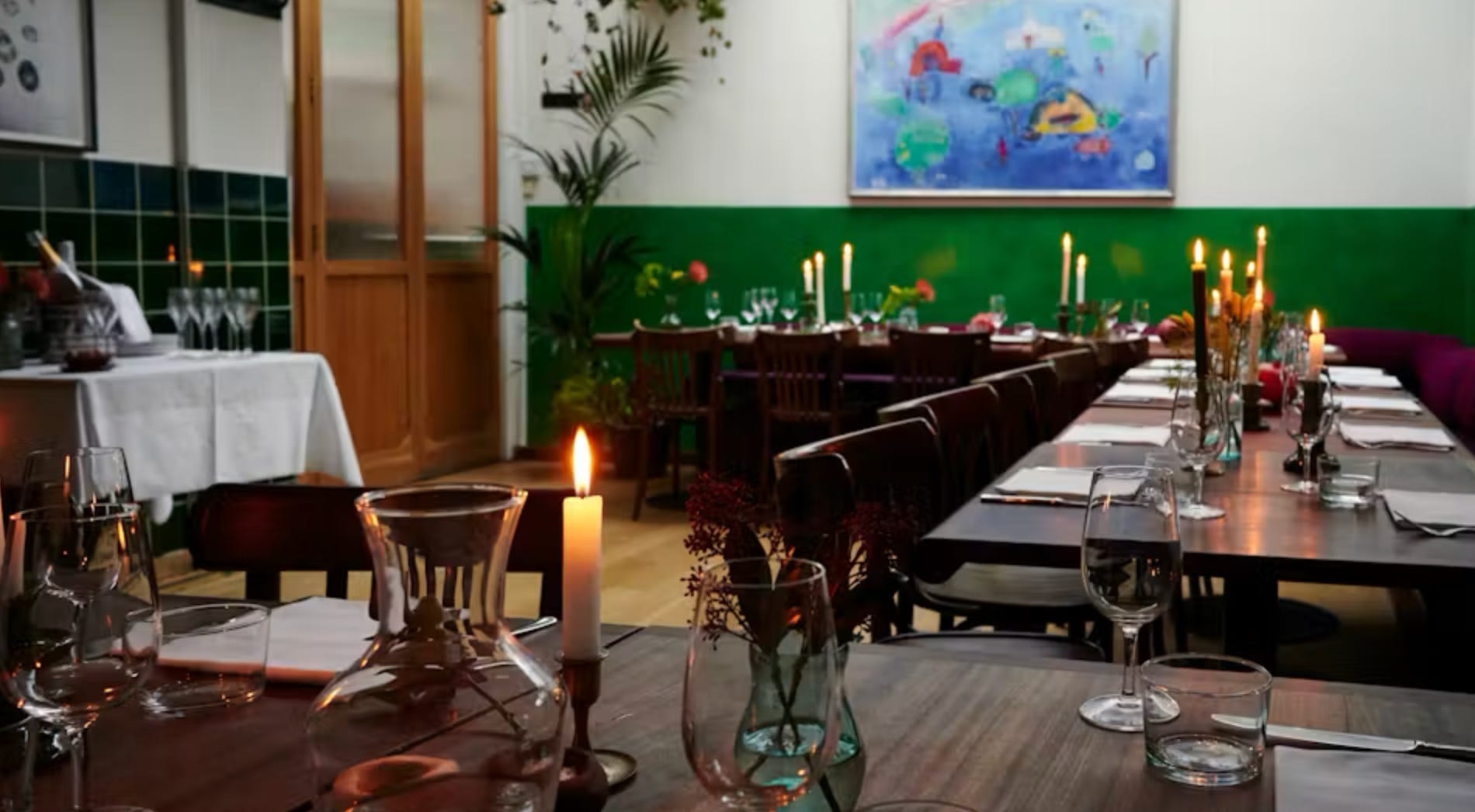
Moro opened in Exmouth Market in 1997, founded by husband and wife duo Sam & Sam Clark and born from their travels through Spain, Morocco and the Sahara, where the couple learned about the cooking of the southern Mediterranean.
The Clarks had both worked at The Eagle and The River Café and Samuel Clark explained later they opened Moro with the same ingredient led approach, but applying it to much less familiar foods of the Spanish and Muslim Mediterranean, which just wasn’t available in London at the time.
Moro’s original menu included ingredients that were cutting edge for their time: harissa, tahini, preserved lemon, cumin yoghurt, chickpeas, pistachios, pomegranate, and meat and fish cooked over charcoal.
But Moro’s influence isn’t just felt through its menu, Moro changed the way what dining looked and felt like. Stripped back interiors, zinc bar, wood oven and grill, and an open kitchen, they set the aesthetic DNA for what London’s beloved restaurants look like today.
Where you can feel the influence today:
In the open flames at Brat and Mountain, the Mediterranean and Middle Eastern pantry that now feels completely at home in London, and restaurants where the kitchen is deliberately part of the room.
05. Hakkasan - Opened in 2001
Legacy: Asian fine dining and the restaurant as a total experience
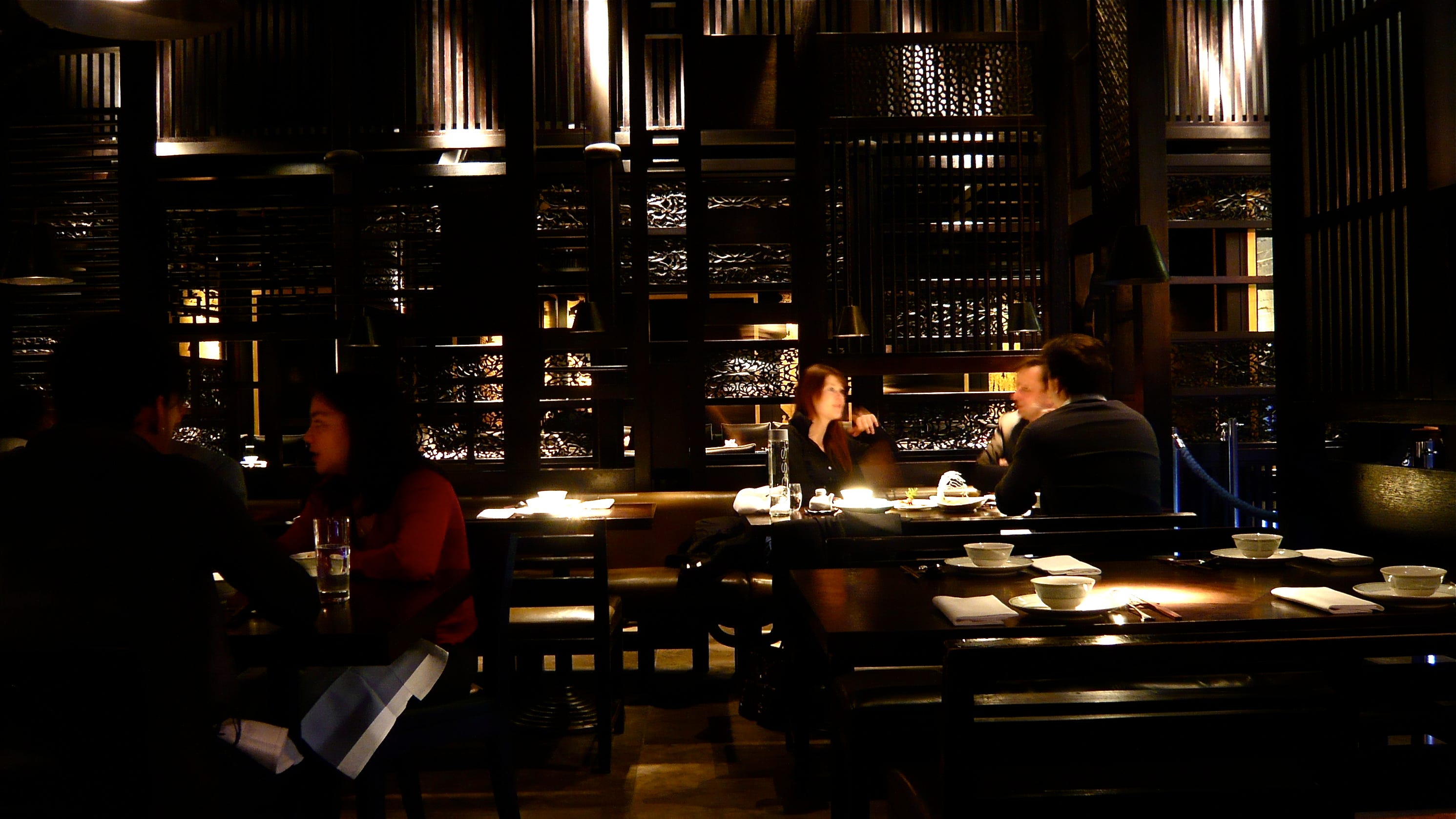
Alan Yau opened Hakkasan in 2001, with chef Tong Chee Hwee leading the kitchen and French designer Christian Liaigre behind the interiors. When it opened, Chinese food was already deeply embedded in London’s dining culture but it wasn’t served with the same luxury, glamour or cultural cachet as the city’s European fine-dining restaurants.
Hakkasan presented Cantonese cooking through an entirely different lens, combining traditional techniques, exceptional ingredients and contemporary presentation. In 2003, it became the first Chinese restaurant in the UK to receive a Michelin star.
But Hakkasan’s biggest influence might just be everything surrounding the food. Diners descend from an unassuming entrance into a dark, cinematic dining room with a carved wooden screen, low lighting, music and a dramatic cocktail bar.
Hakkasan’s legacy is felt in the restaurants that transport you into another world for the night.
Where you can feel the influence today:
In restaurants like Gymkhana, Ambassadors Clubhouse, Berenjak and BiBi, where the food is only one part of the experience. The lighting, music, interiors, cocktails and sense of theatre are designed to transport you somewhere else for the night.
06. Barrafina - Opened in 2007
Legacy: Counter dining, open kitchens and making Spanish food exciting
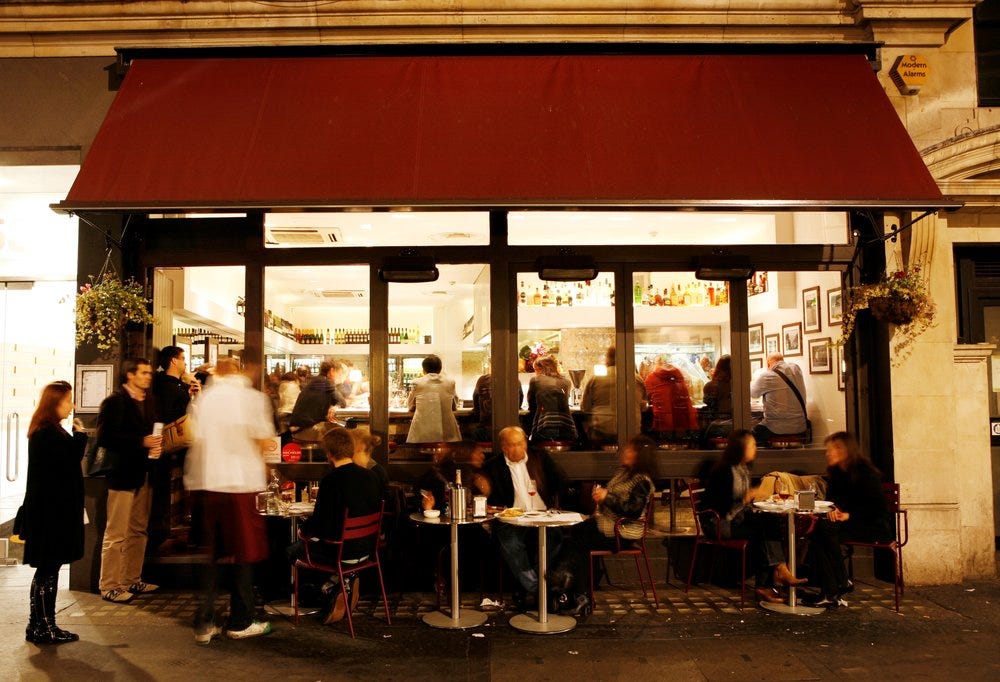
Its hard to imagine London without counter seating, Barrafina helped turn sitting at the kitchen counter into one of London’s most desirable restaurant experiences. Brothers Sam and Eddie Hart opened the original Barrafina on Frith Street in Soho in 2007, inspired by Barcelona’s Cal Pep, with its tiny L-shaped counter, simple cooking and the theatre of watching chefs work directly in front of you.
Barrifina opened as a tiny restaurant built around a marble counter, an open kitchen and a no reservation policy. Rather than being separated from the kitchen, diners sat almost inside of it watching dishes being cooked and handed across the counter, almost as theatre. The restaurant turned waiting for a stool, sitting shoulder to shoulder with strangers and watching the chefs work, into the dining experience.
Under chef Nieves Barragán Mohacho, Barrafina made Spanish cooking some of the most exciting in London.
Where you can feel the influence today:
In the counter seats at Sabor, Kiln, The Barbary and Berenjak, where watching the chefs cook is part of the experience.
What did I miss? Tell me the London restaurant you think changed the way we eat today.
Danielle


Excellent!
Fabulous article