


Over the past decade, there’ve been a handful of London restaurant groups have seemingly appeared out of nowhere, opening one successful restaurant after another until, by their second or third opening, they feel ubiquitous with the city’s dining scene.
Take David Carter’s restaurant group dcco. Smokestak and Manteca were two well loved London restaurants, but with the arrival of OMA and AGORA in 2024 and now KID in 2026, he’s become a force within the London dining scene and when he opens a new restaurant it’s almost guaranteed to be a success.
A group can quickly go from being the promising newcomer, to seemingly being everywhere, and having a real influence on how London eats.
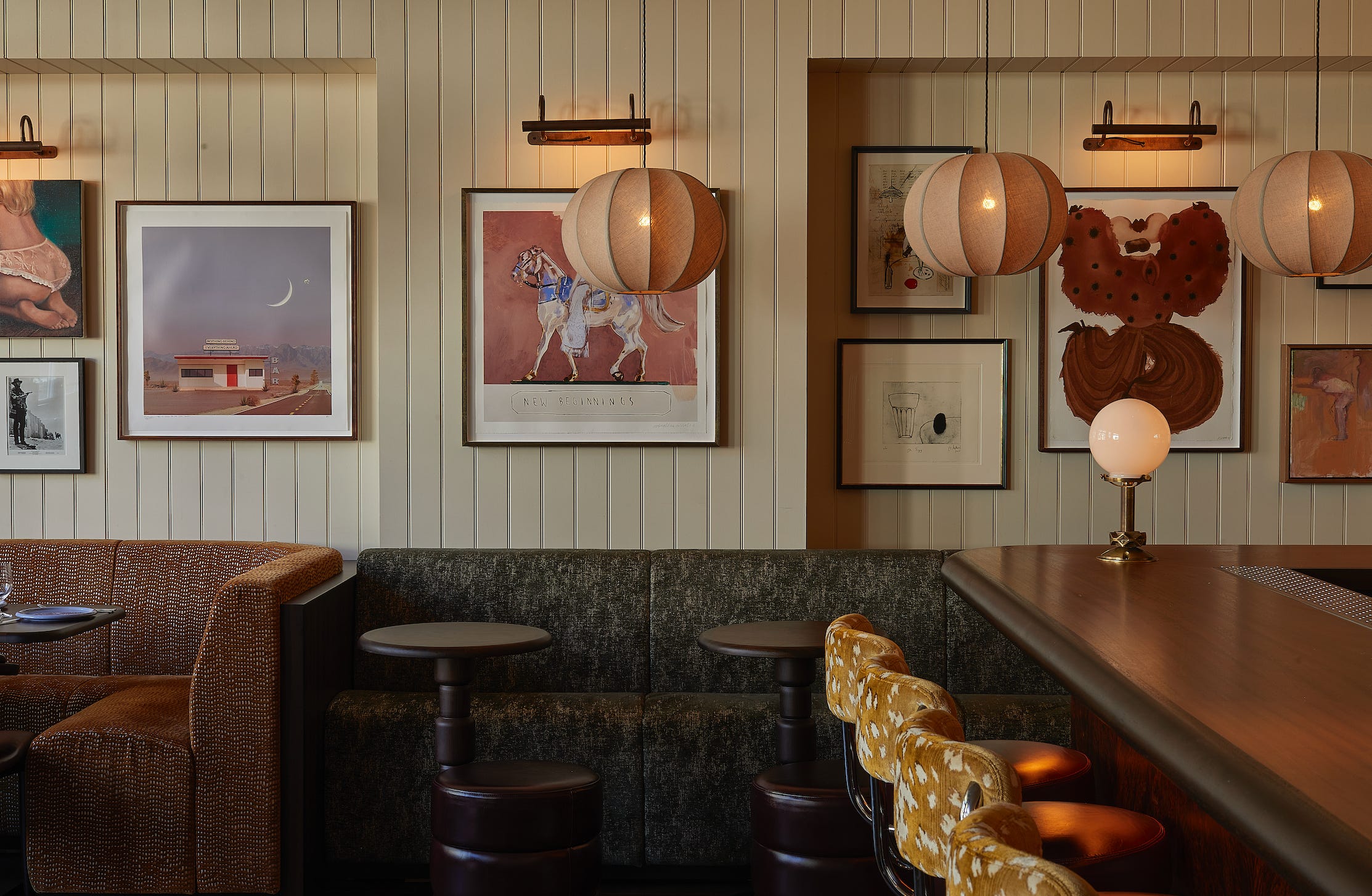
But how do you spot the next generation of restaurateurs before they reach that point? If there’s one thing we love at Table for Two, it’s getting ahead of the curve. You know I love discovering a restaurant early and watching its evolution from an exciting new opening to a fixture in London’s dining scene.
So, can we spot London’s most promising up and coming restaurateurs before they’re everywhere? To start, we’ll look at some of London’s most successful restaurant groups from the past decade and identify the common characteristics behind their rise. We’ll then use those findings to assess the emerging restaurateurs preparing to open their second or third restaurant in late 2026 or 2027, in search of the names that might just be on the cusp of becoming fixtures of London’s dining scene.
The Anatomy of a Successful Restaurant Group
To build the framework, I looked at five restaurant groups that have helped shape London’s dining scene over the past decade; dcco., Super 8, Pachamama Group, MJMK and Public House Group.
Their restaurants vary enormously in cuisine, format, audience and in how they’re capitalised. Some have built their reputations around exceptional cooking, others around atmosphere, hospitality or a particular cultural point of view. But despite these differences, three characteristics appear in each of these five restaurant groups:
Creative conviction - the group has a point of view or distinctive concept that becomes its recognisable identity.
Talent & execution - the group has the ability to find and nurture exceptional talent, across chefs, designers and operators who can turn ideas into successful businesses.
Cultural instinct - the group recognises shifts in how London wants to eat and socialise, and they create restaurants that influence those behaviours, generating loyalty and cultural relevance beyond opening.
These pillars shape the framework we’ll use to evaluate the groups that have opened or are opening their second or third locations in the second half of 2026. Whilst there are more than a dozen restaurants with announced second or third location openings, our list includes the 5 restaurateurs that meet the three pillar framework set above, and are the ones to watch for 2027, with real potential to shape the future of London’s dining scene.
01. Joe Haynes, Ben Butterworth & Tom Hurst (Cloth Restaurant Group)
The portfolio: Cloth, Farringdon
What’s next: Cloth Cornhill (opened Oct. 2026)
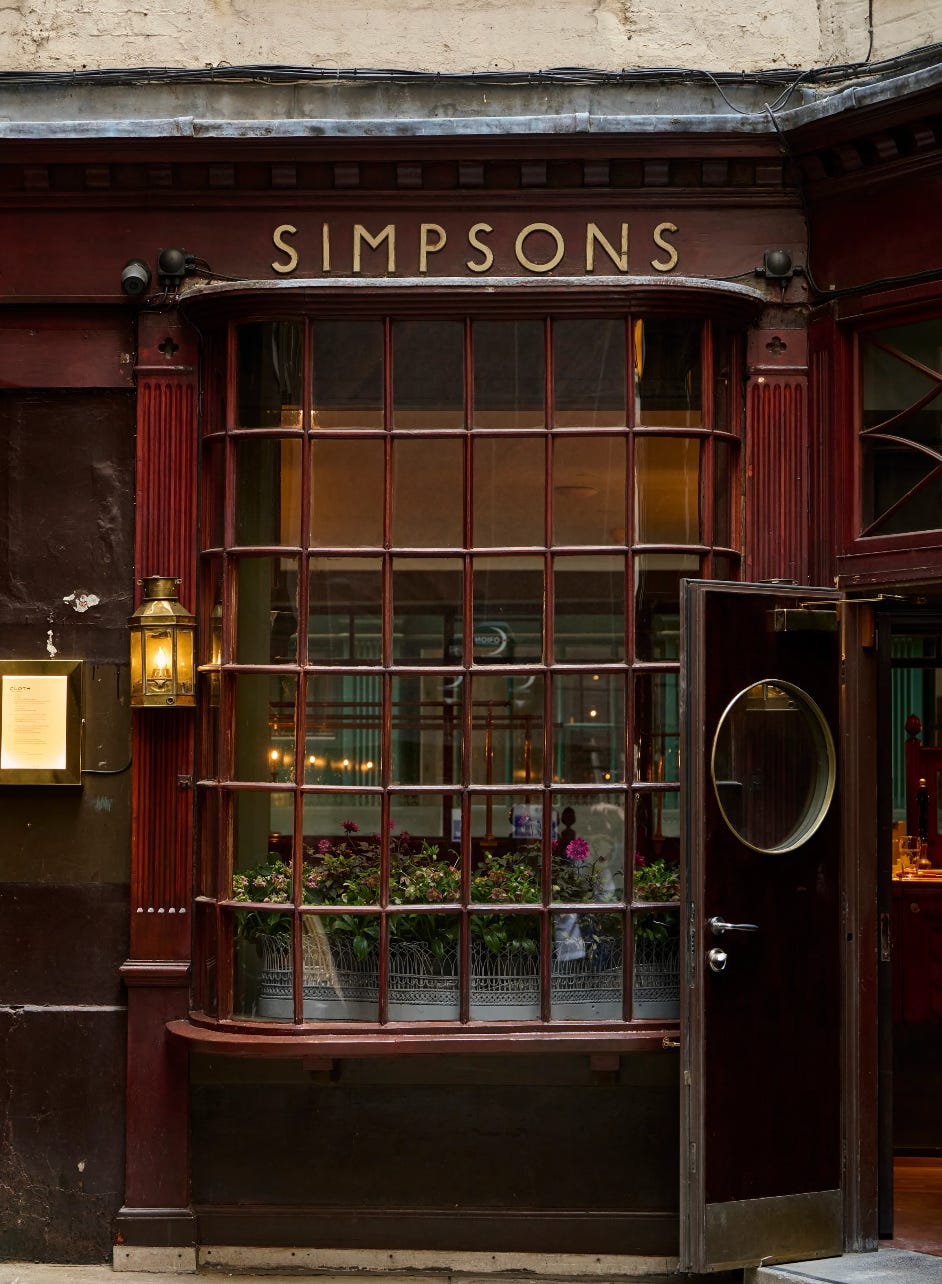
The case for:
The team at Cloth seem more interested in bringing British tradition into the restaurant, rather than dreaming up a theatrical new concept. And in 2026 that is refreshing. Their first restaurant opened in historic Smithfield, close to The Eagle and St. John, two restaurants that helped shape modern British dining.
With their second opening, they’ve gone a step further, taking on the former Simpson’s Tavern, a City institution dating back to the 1750s and a renovation that cost a reported £1.3m to preserve the building’s original character.
There’s also an interesting combination of talent behind the group. Joe Haynes and Ben Butterworth bring their knowledge of wine, while Tom Hurst brings the cooking.
Why they’re ones to watch:
Creative conviction: Bringing London's historic dining traditions into the present without losing their character.
Talent & execution: Combining wine expertise and culinary talent to deliver an ambitious restoration of Simpson's Tavern.
Cultural instinct: Recognising the renewed appetite for traditional British dining rooms, familiar dishes and a sense of history.
2027 Prediction:
If Cloth Cornhill succeeds I think we'll see more restaurants building menus around familiar British dishes and more dining rooms will be designed around re-introducing old-fashioned hospitality to a new generation of diners.
02. Mark Gurney & Matt Bushnell (Levan)
The portfolio: Levan & Bar Levan, Peckham
What’s next: Cassette, Covent Garden (opened Sept. 2026)
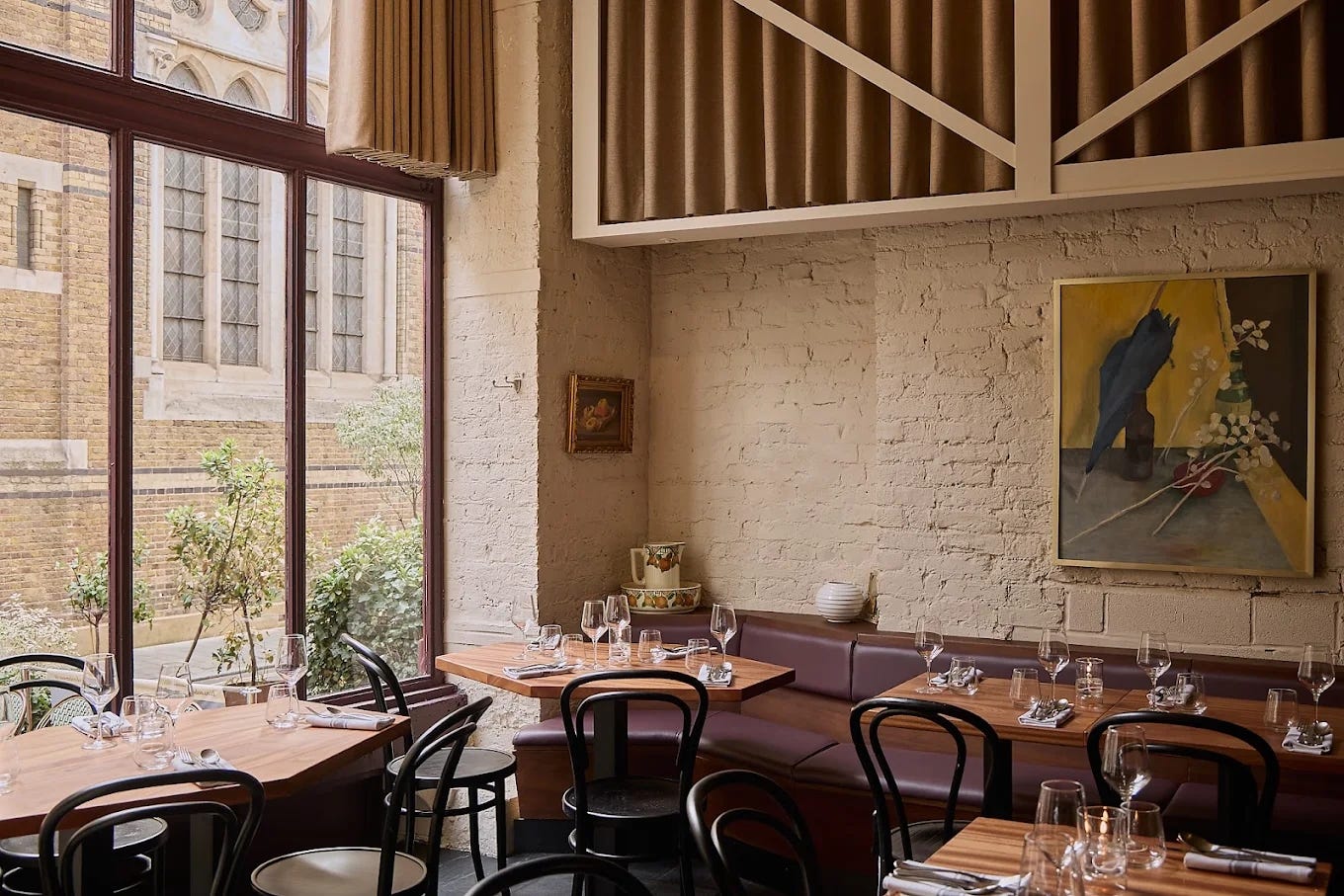
The case for:
Mark Gurney and Matt Bushnell opened their original spot Levan in Peckham back in 2018, and then expanding it into the adjoining Bar Levan. The restaurant has a recognisable identity leaning on European cooking and interesting wines. They’ve built their following around their relaxed approach to dining and their love for music.
With Cassette, they’ve moved into central London, this time looking specifically to the neighbourhood bistros of Paris. The team has recruited Essa Fakhry, formerly of Planque and Dublin’s Not to lead the kitchen, alongside Madeleine Fawcett, previously of Forza Wine, as general manager.
Why they’re ones to watch:
Creative conviction: A recognisable philosophy built around European cooking, wine and music, expressed through different concepts.
Talent & execution: Attracting experienced chefs and hospitality talent to bring each restaurant's distinct identity to life.
Cultural instinct: Understanding the appeal of informal, neighbourhood-style dining with a strong sense of personality and place.
2027 Prediction:
If Cassette succeeds, I suspect we could see more independent operators willing to take the financial leap and bring the charm of a neighbourhood spot into London’s busiest neighbourhoods.
03. Amy Corbin & Patrick Williams (Kudu Collective)
The portfolio: Kudu, Marylebone
What’s next: Braai Bird, Peckham (opening November 2026)
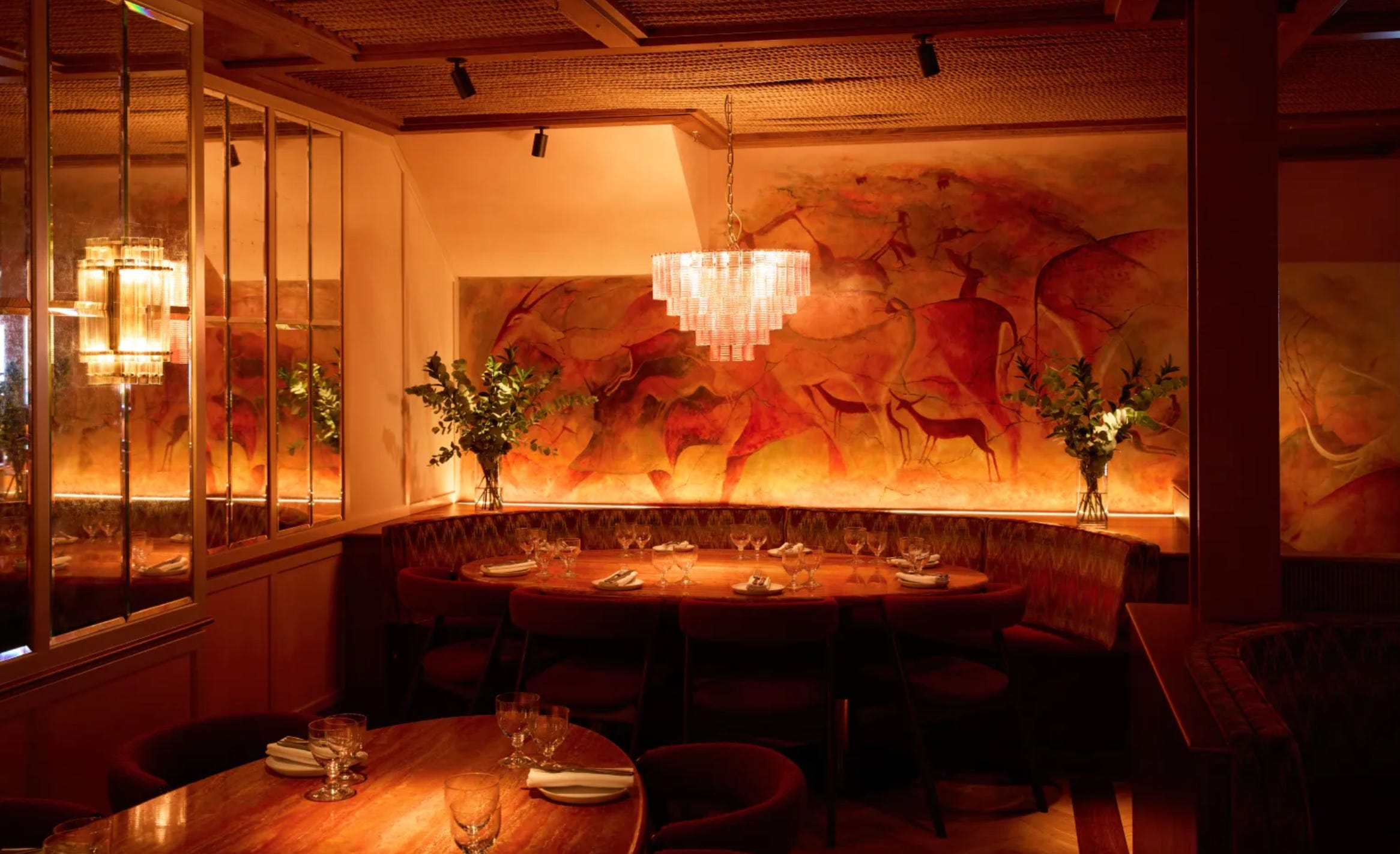
The case for:
Since opening Kudu in 2018, Amy Corbin and Patrick Williams have built a distinctive identity around South African cooking, open-fire techniques and warm, neighbourhood hospitality. Their success allowed them to expand beyond the original Peckham restaurant into Kudu Grill and Curious Kudu, before making the decision to consolidate their venues into a single Marylebone flagship in 2025.
It’s that willingness to change course that makes them particularly interesting. Their next venture, Braai Bird will be a more casual, accessible format with wood-fired rotisserie chicken and South African flavours back to to their roots in Peckham. Having already experienced both expansion and consolidation, Corbin and Williams understand what’s required for a successful expansion.
Why they’re ones to watch:
Creative conviction: A distinctive South African culinary identity expressed through different restaurant formats.
Talent & execution: A complementary founder partnership with experience of expansion, consolidation and reinvention.
Cultural instinct: Bringing ambitious South African cooking into relaxed, accessible London dining spaces.
2027 Prediction:
If Braai Bird succeeds I think we’ll see more established restaurateurs experimenting with smaller, more accessible formats that build on an existing identity without simply replicating their original restaurant.
04. Honey Spencer, Charlie Sims & Spencer Large
The portfolio: Sune Restaurant, Hackney
What’s next: The Poet, Smithfield (opening Nov. 2026); additional spots opening in 2027
The case for:
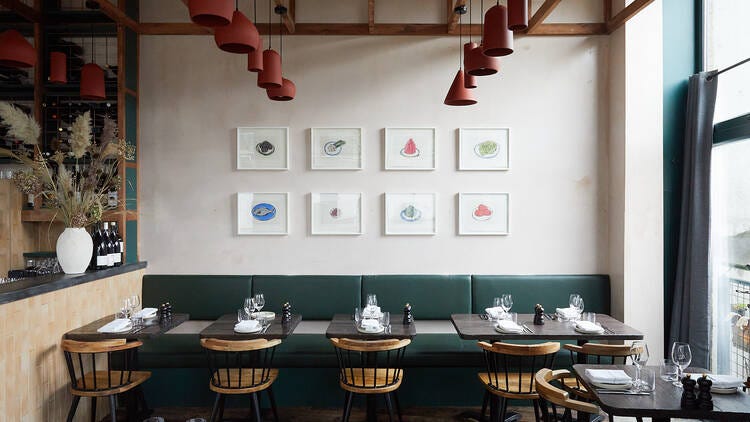
Honey Spencer, Charlie Sims and Spencer Large have already made quite an impression with Sune, their neighbourhood restaurant beside Broadway Market.
Their next venture is considerably more ambitious. The Poet, opening in a historic building beside Smithfield Market, will bring together a traditional British pub, an upstairs dining room, a 10-seat chef’s counter and a cocktail bar, with the latter two spaces opening in 2027. They’ve recruited Charlie Tayler, formerly head chef at Michelin-starred Aulis, to oversee the food.
What interests me is the scale of their ambition, but also their decision to reimagine the traditional British pub, one of London’s most important social institutions. Having already proven they can create a restaurant people love, they’re now taking on several very different hospitality experiences under one roof.
Why they’re one to watch:
Creative conviction: Reimagining the traditional British pub as a destination for several distinct dining and drinking experiences.
Talent & execution: Building on Sune’s early acclaim and recruiting former Aulis head chef Charlie Tayler for The Poet.
Cultural instinct: Recognising the enduring appeal of the British pub while responding to changing expectations of hospitality.
2027 Prediction:
If The Poet succeeds we could see more restaurants that accommodate several distinct dining experiences, appealing to different audiences and occasions without having to open multiple locations.
05. Elliot Milne & Alexandra Price (Silver Tree Restaurants)
The portfolio: Milk Beach, Soho; Saltwater, Soho
What’s next: Bar Blondie, Queens Park (opened Jul. 2026)
The case for:
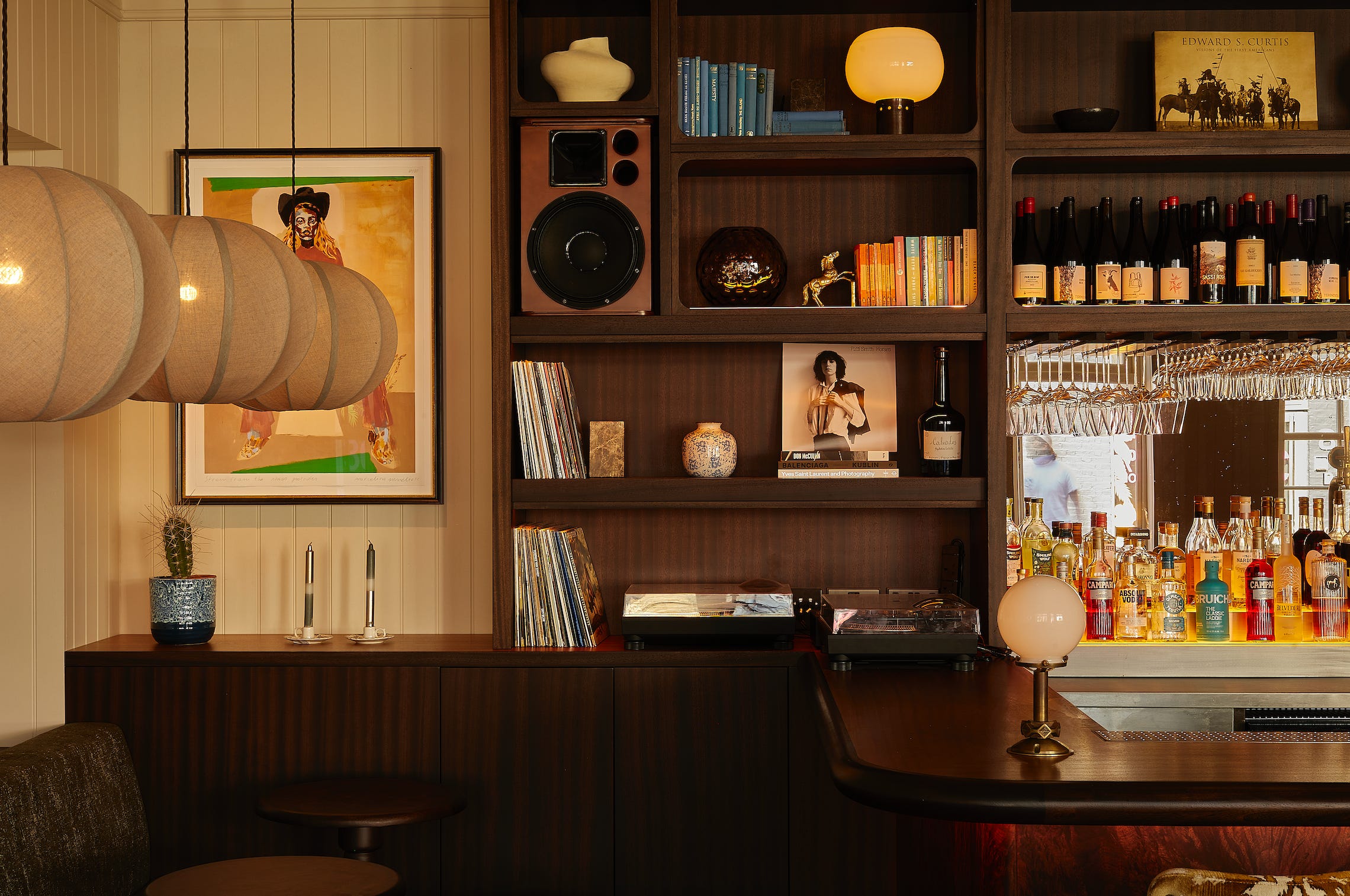
Elliot Milne and Alexandra Price latest restaurant Bar Blondie proves that a restaurant’s appeal extends well beyond what’s on the menu. Milne has built a portfolio of distinct hospitality concepts through Silver Tree Restaurants, while Price brings considerable wine expertise, having held senior roles at Bar Crispin, Bistro Freddie and the Michelin-starred vegan restaurant Plates.
Their latest collaboration, Bar Blondie in Queen’s Park is inspired by southern European wine bars, and brings together Italian and French influenced cooking and a wine list with 160+ bottles. What’s even more compelling is the social programme spanning music, poetry and wine tastings, expanding Bar Blondie from somewhere you go simply to have a nice dinner to a destination with its own cultural identity.
Why they’re ones to watch:
Creative conviction: Creating distinct hospitality concepts where food, wine, design and culture are equally considered.
Talent & execution: Bringing together Milne's operational experience and Price's specialist wine expertise to develop Bar Blondie.
Cultural instinct: Recognising the restaurant's potential as a cultural meeting place, with music, art and community programming.
2027 Prediction:
If Bar Blondie is successful, I think we’ll see more independent restaurants developing programming that gives people a reason to return even when they’re not coming specifically for dinner.
There’s no single format for building a restaurant group. Some are looking to the past whilst others are experimenting with new formats or finding ways to turn restaurants into cultural meeting places.
What each of these five restaurateurs share is a clear sense of what they want to create, and an understanding of how Londoners want to eat and spend their time. Whether all five become the city’s next major restaurant groups remains to be seen, but I’m particularly interested in watching how their ideas influence what comes next.


Great research and a really interesting read! Love the idea of bringing old British dining rooms and pubs back to life - I do wonder though, as these groups expand, how difficult it will be to maintain that individual character without the restaurants starting to feel like variations of the same concept - do you think there’s a point where growth works against what made them successful in the first place?