


Sarah-Linda Forrer’s career designing tableware for restaurants like The French Laundry and Hélène Darroze at the Connaught began with a collection of spoons nobody could eat with.
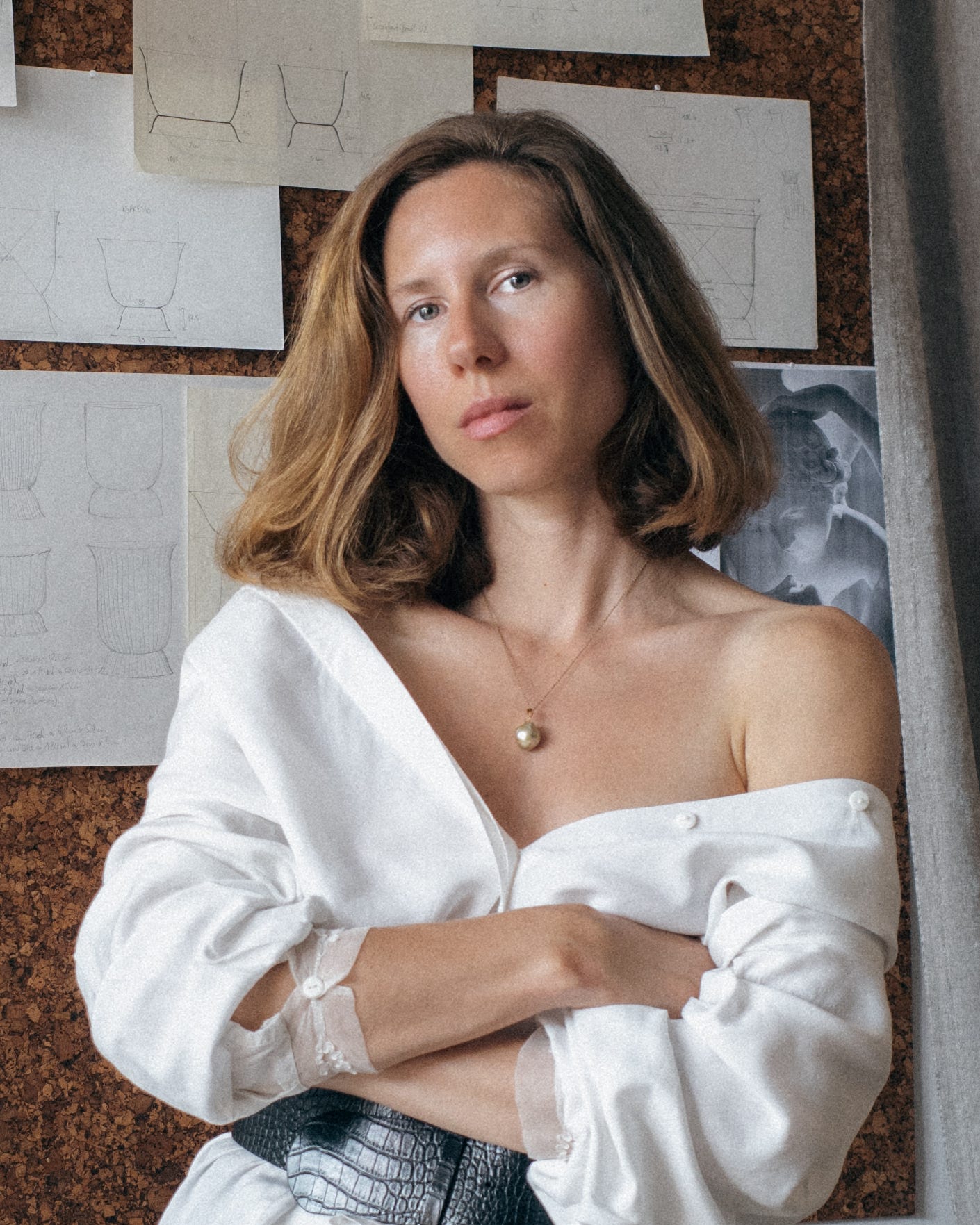
Made from stone, the spoons were beautiful but entirely impractical. She had created them for an exhibition shortly after graduating from design school. A conceptual project, where the spoons symbolised the fragility of our food system. She never imagined they would lead to her first collaboration with a Michelin-starred chef.
Until then, fine dining had been a fairly unfamiliar world. Sarah-Linda grew up in the countryside in the south of France, where her family ate much of what they grew in the garden. Restaurants weren’t a big part of her childhood, and working with chefs wasn’t part of the initial plan.
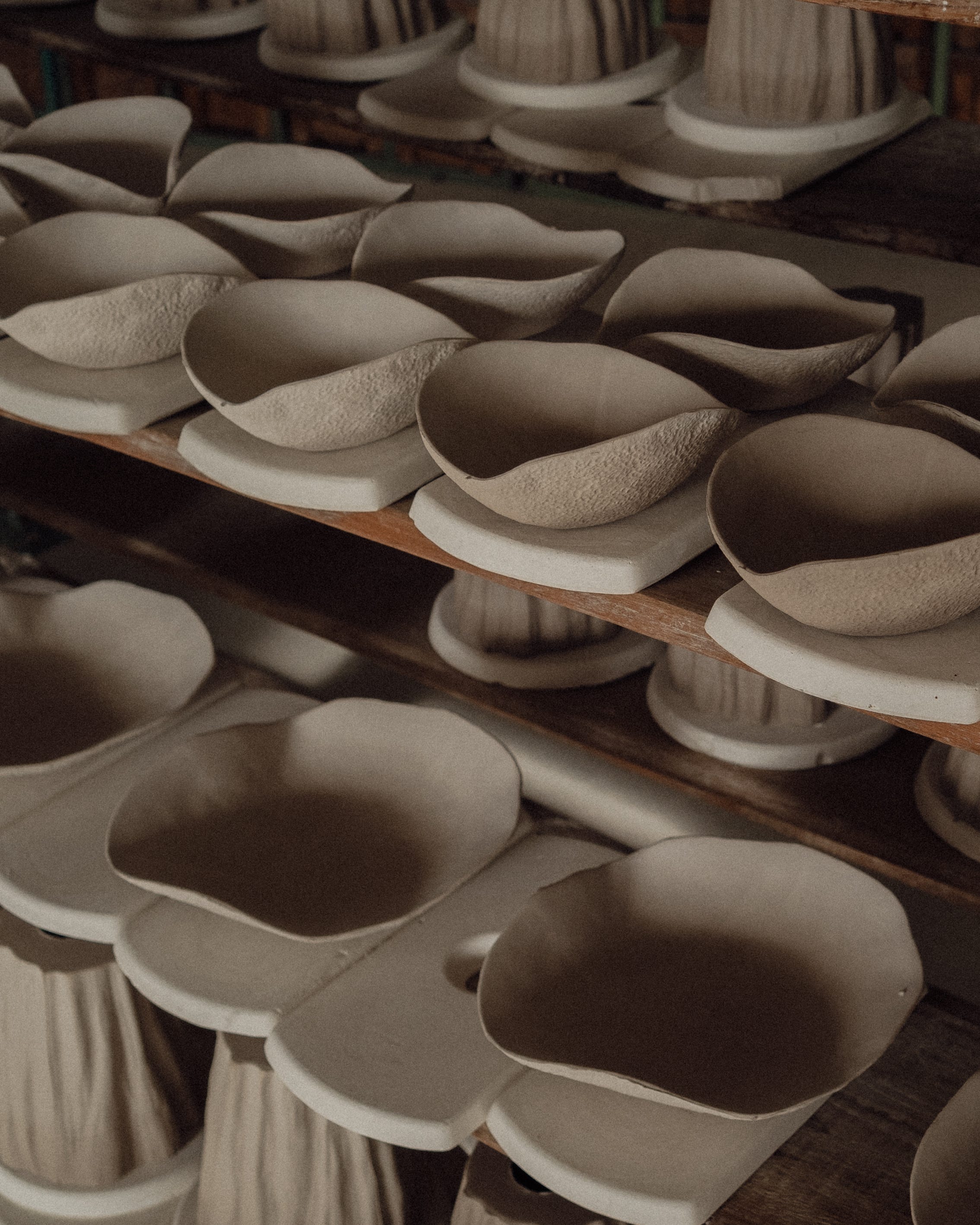
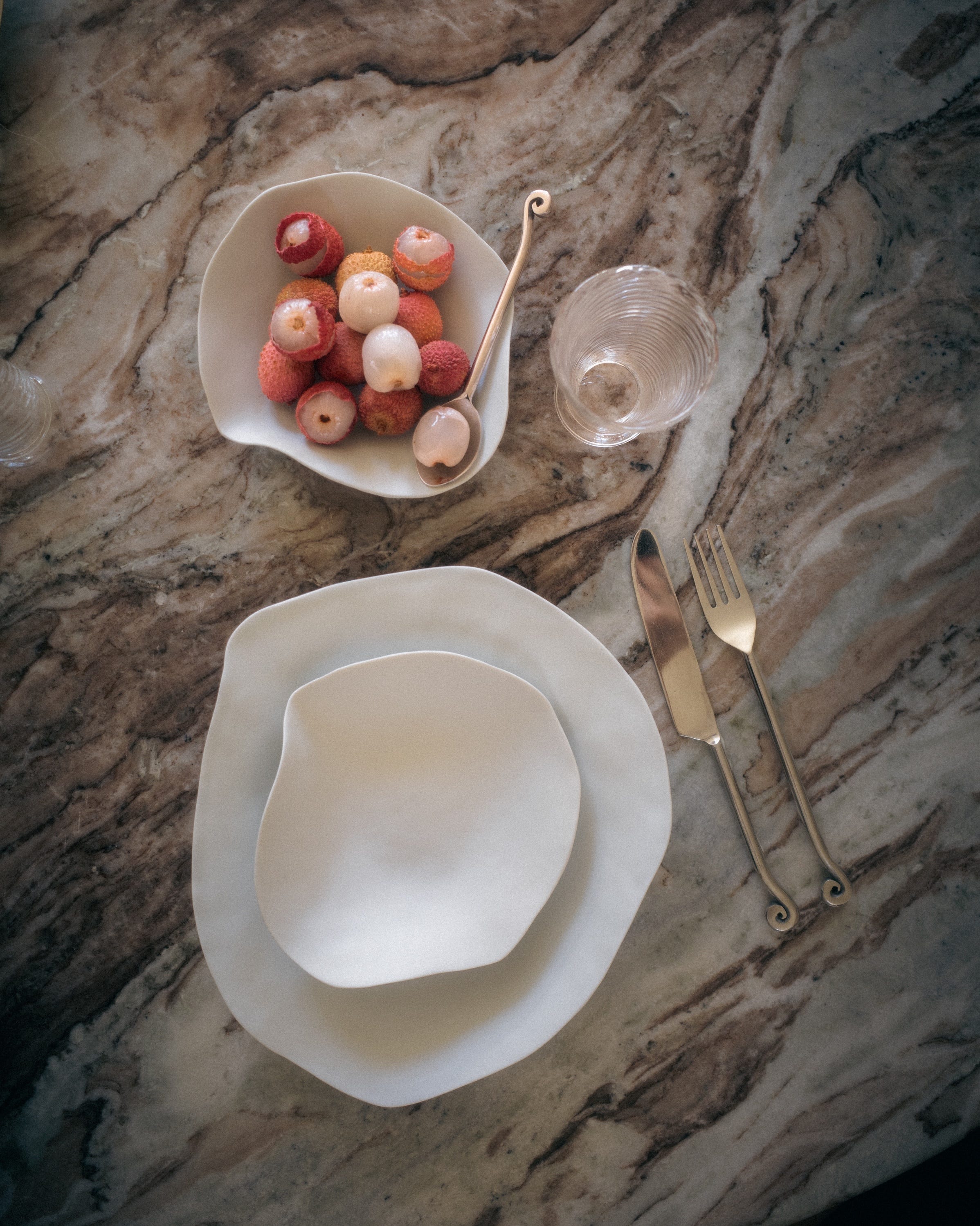
But as she entered the world of fine dining, she was drawn to chefs who approached cooking in much the same way an artist might approach their work. She began creating ceramic spoons and utensils inspired by shapes found in nature, exploring how something as simple as the object we eat from could change the experience of a dish and (re)connect us to our food.
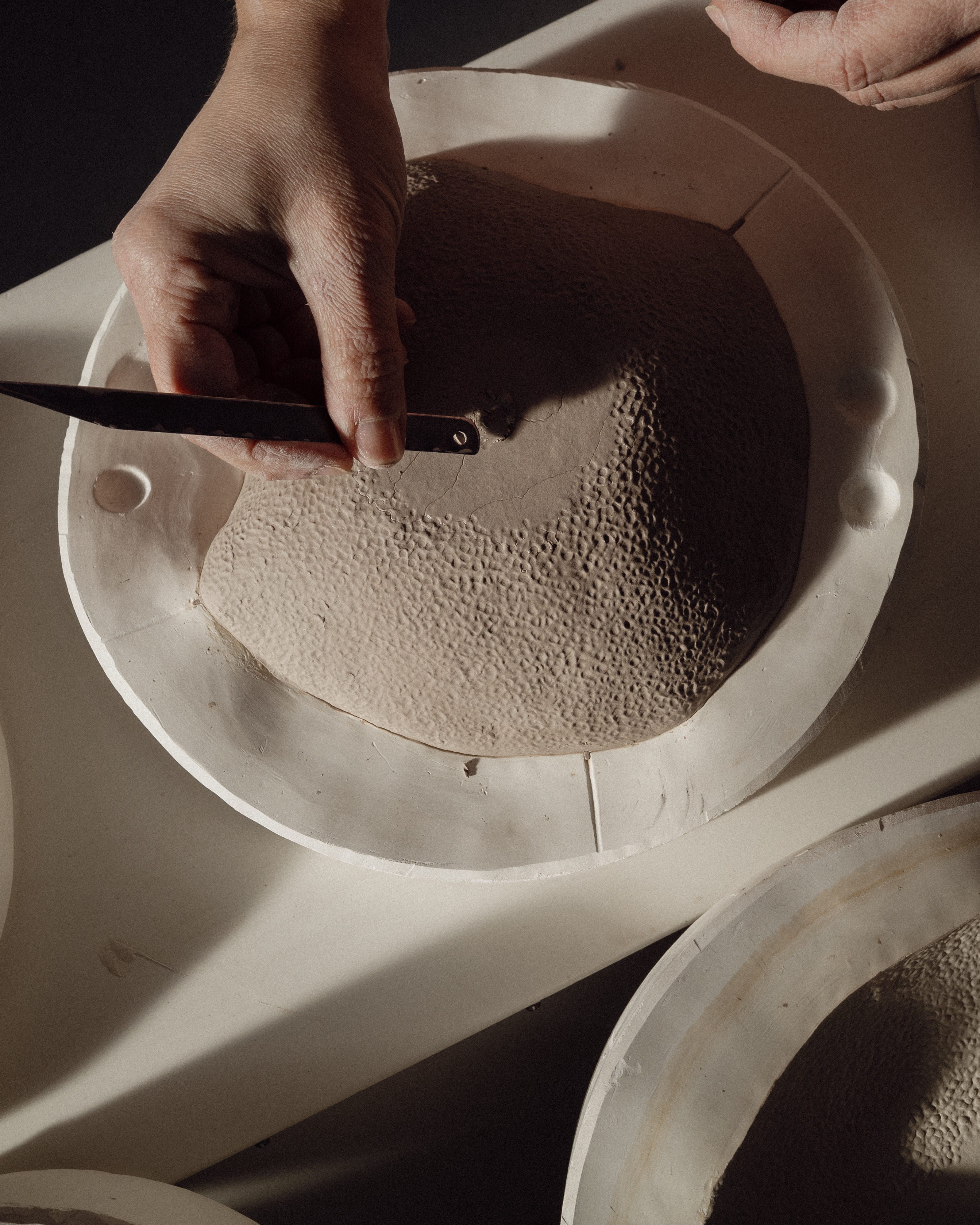
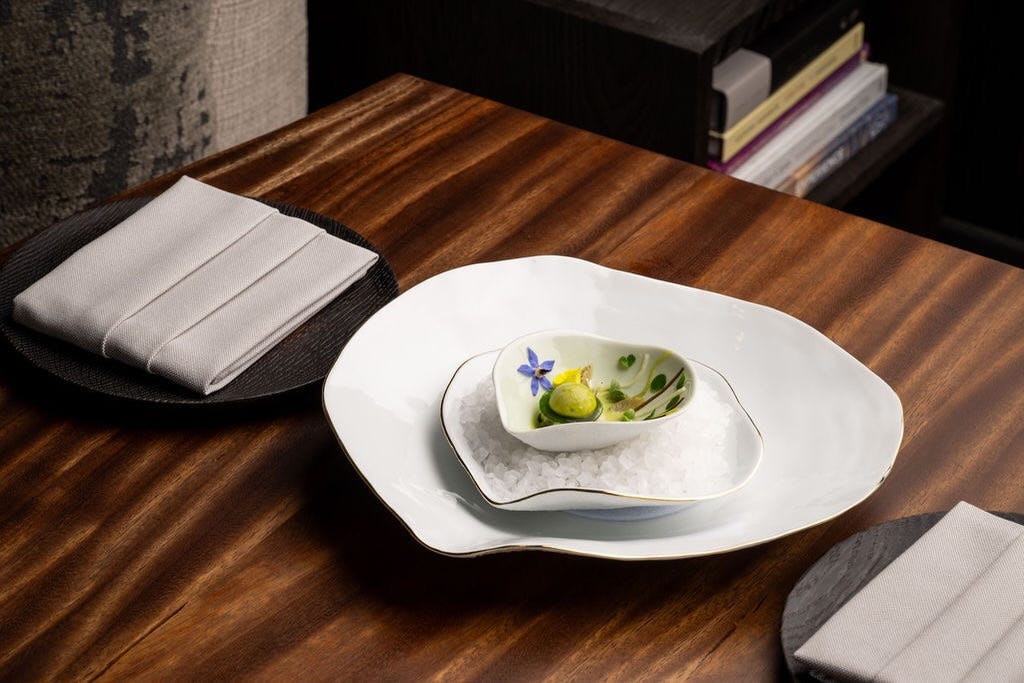
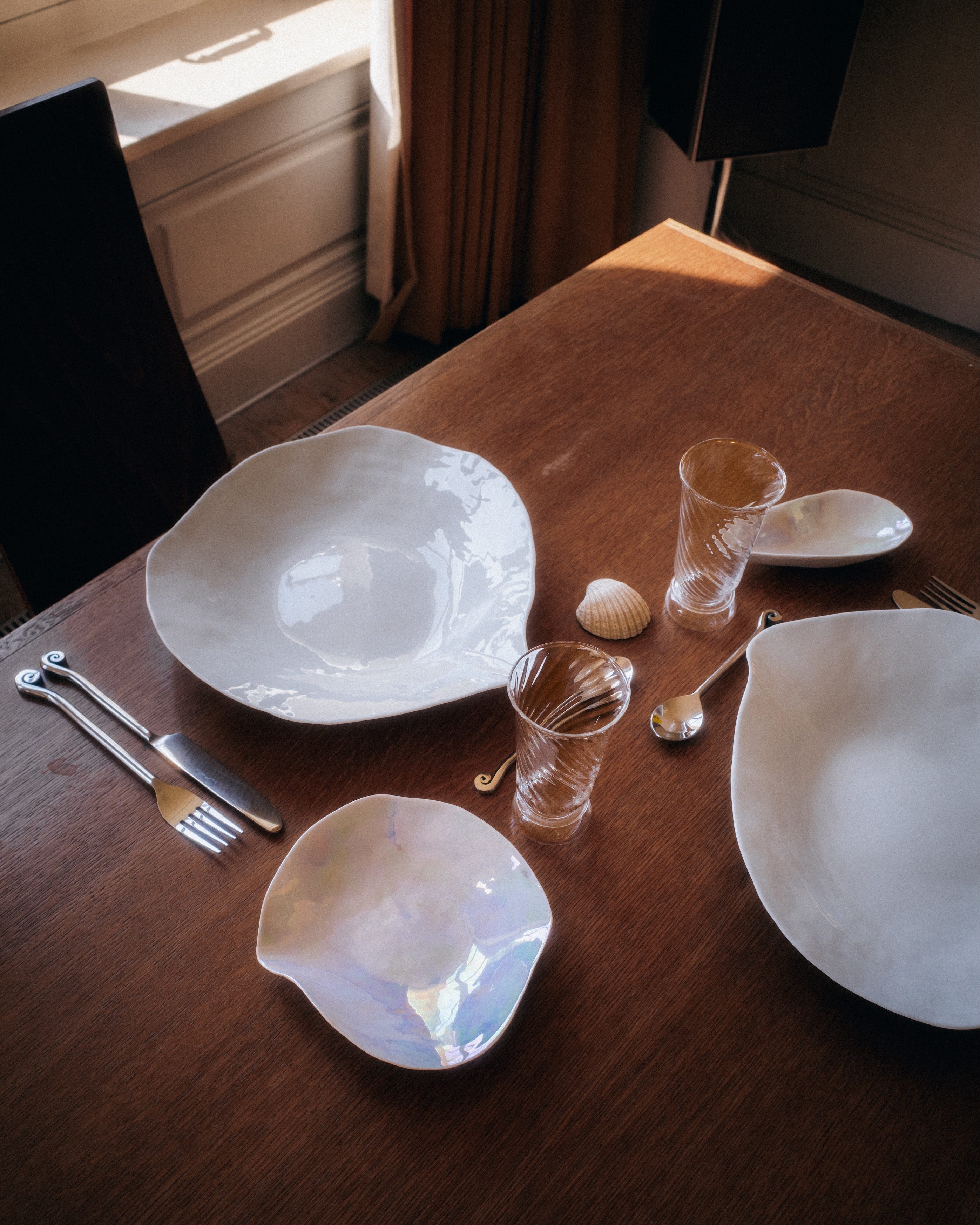
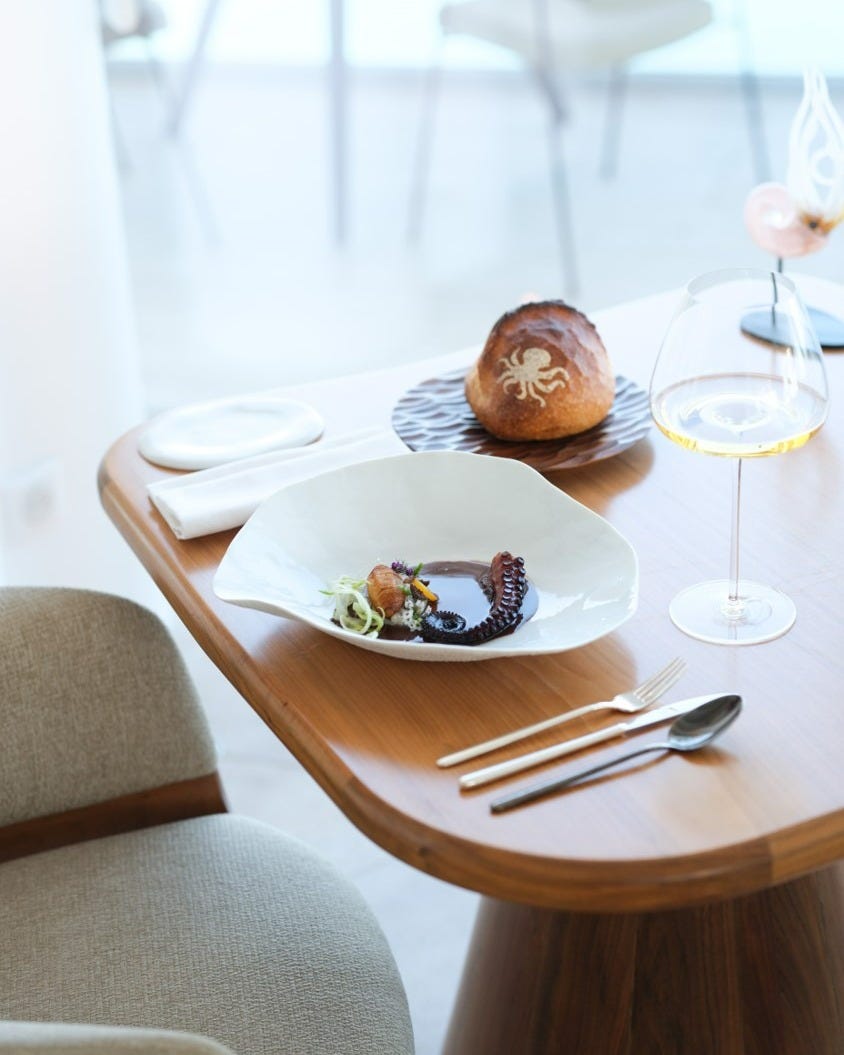
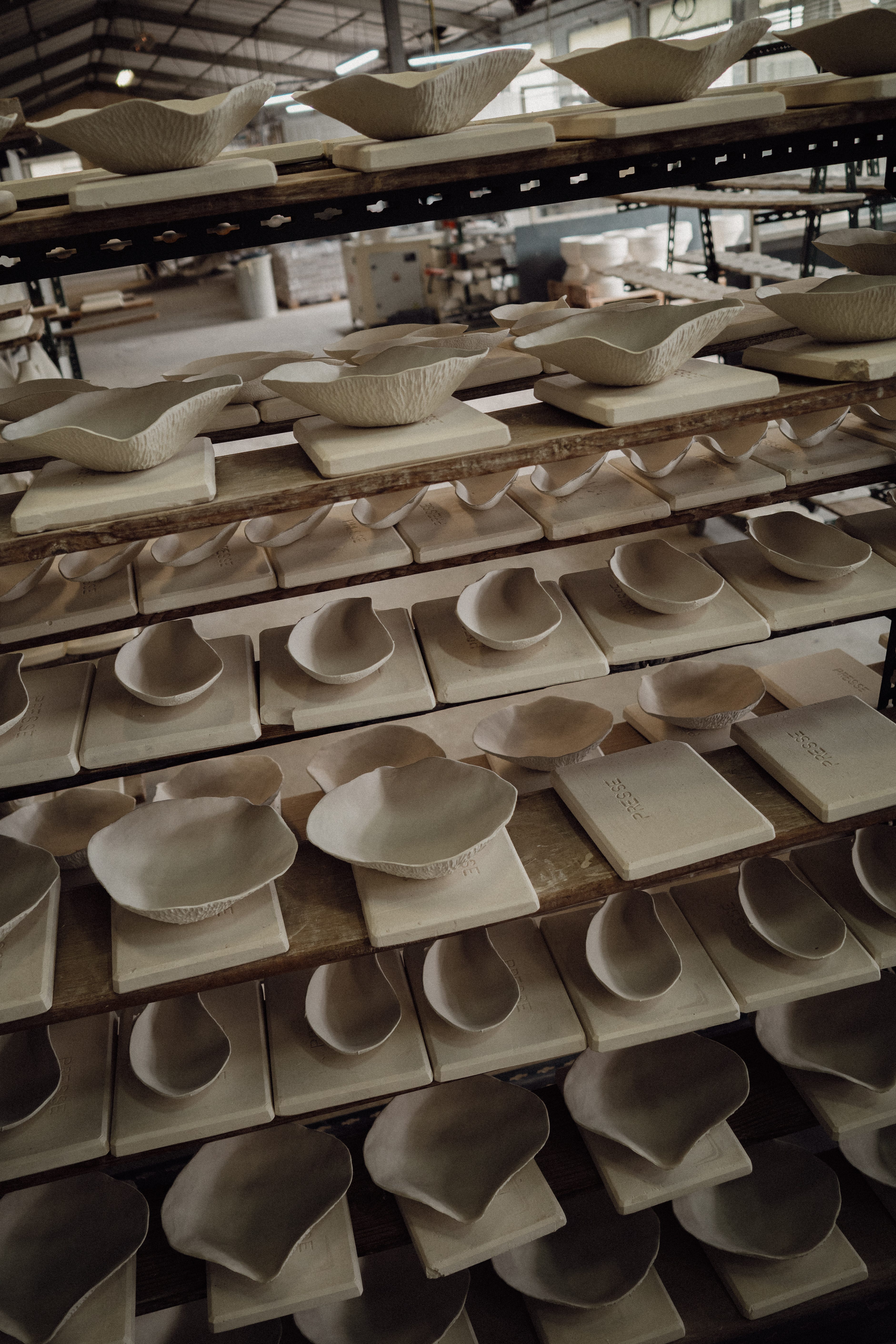
Today, her porcelain tableware is used at restaurants including Alain Ducasse at the Dorchester, Mirazur and Table. With their uneven edges, irregular shapes and textured surfaces, her pieces look as though they could have been shaped by nature rather than made in a porcelain factory.
For Sarah-Linda, the plate is never an afterthought, it’s something she believes can change the experience of a dish in ways we might not even realise.
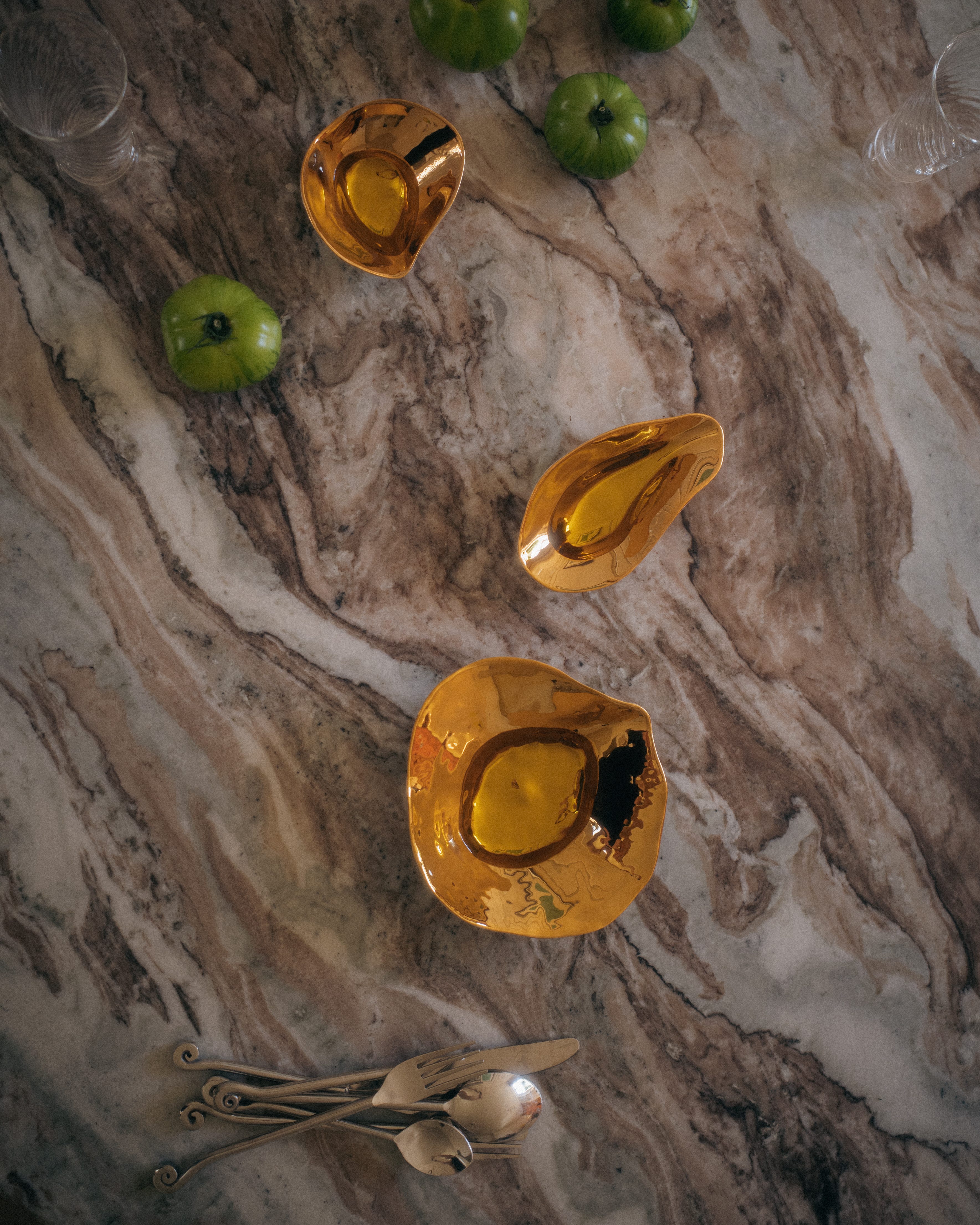
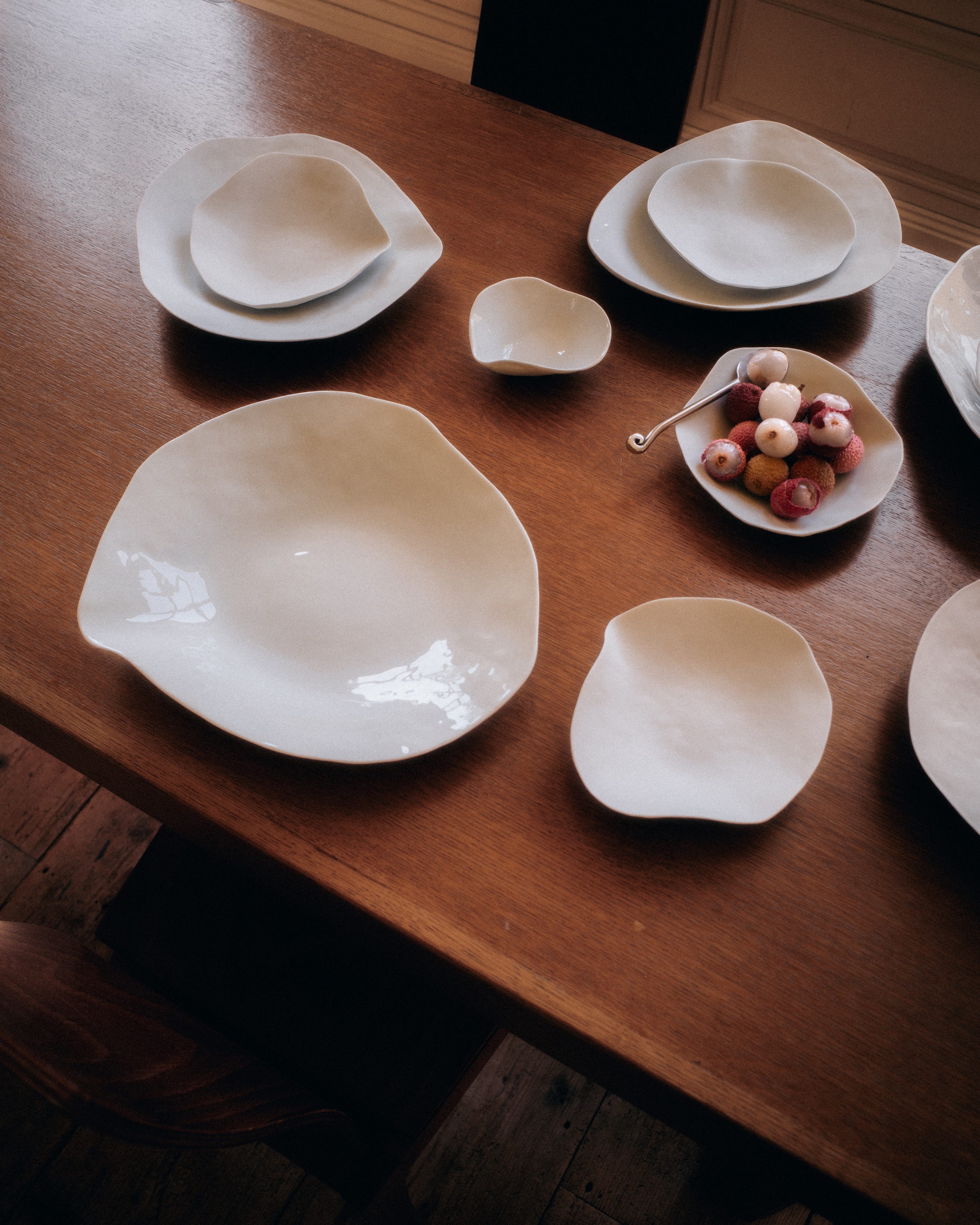
I first came across Sarah-Linda’s work over dinner at Mirazur, where I left with almost as many photographs of the plates and serving ware as I did of the food.
Last week, I had the chance to speak with her about working with some of the world’s leading chefs, why she embraces imperfection in her designs, and just how much difference a plate can make to a meal.
For a closer look at Sarah-Linda Forrer’s work, you can visit her website or follow her on Instagram.
TFT: You hadn’t grown up going to fine dining restaurants. What was it about working with chefs that first caught your interest?
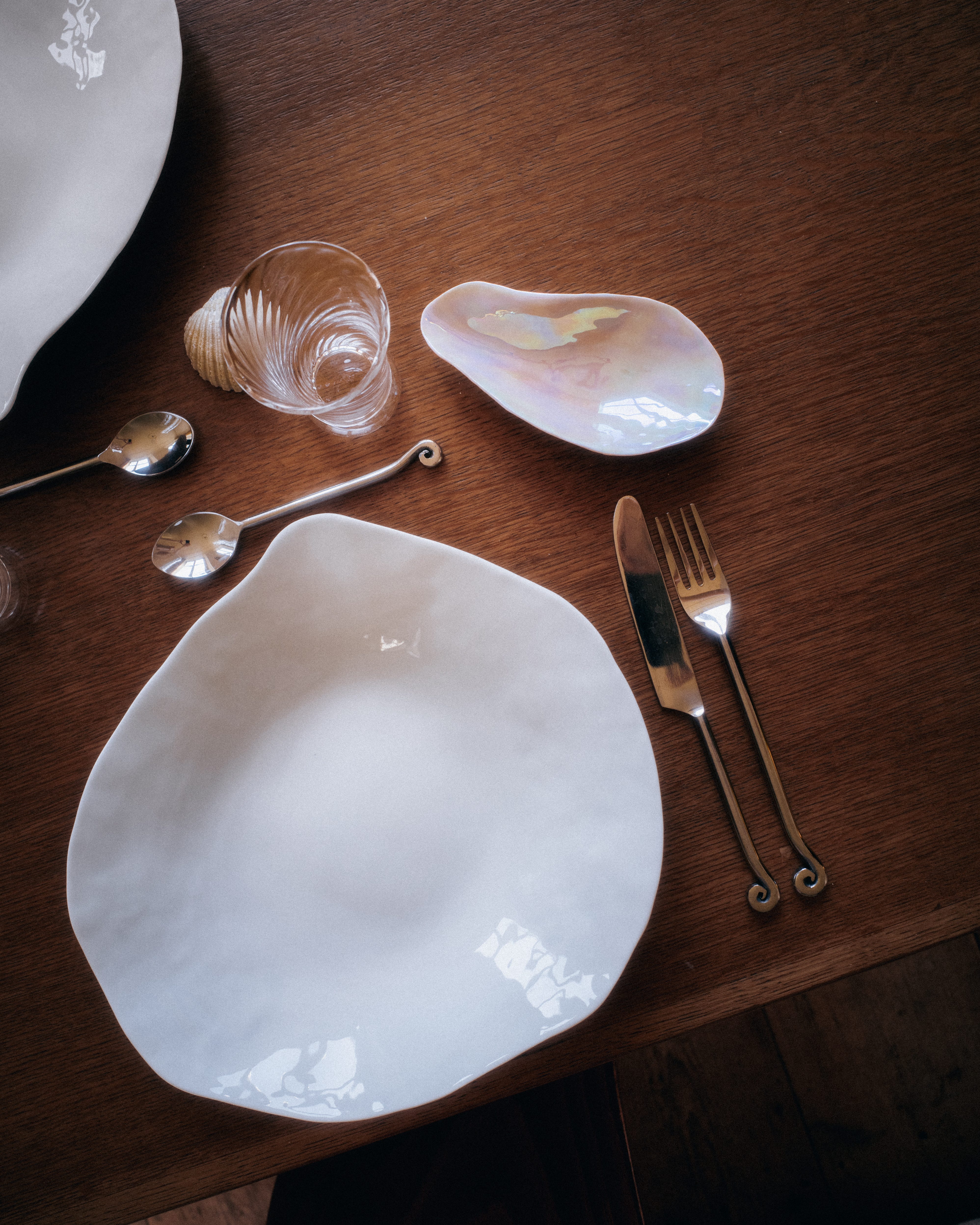
SLF: I grew up in the countryside in the south of France, so restaurants weren’t really part of my childhood. When I started discovering gastronomy through the first Spoon project I did, I realised Chefs are artists too, people with a vision who want to create something unique. I started making ceramic spoons and utensils with organic shapes, thinking about how we experience food through the objects we eat with. Take an oyster, for example. Eating it from something you hold in your hand is very different from eating it with a fork. I was interested in creating something that felt more connected to nature. Shapes that, like a shell, were smooth on the inside but rough and irregular on the outside, and that were meant to be held and picked up from the table.
TFT: One of your first restaurant orders didn’t quite go to plan. What happened?
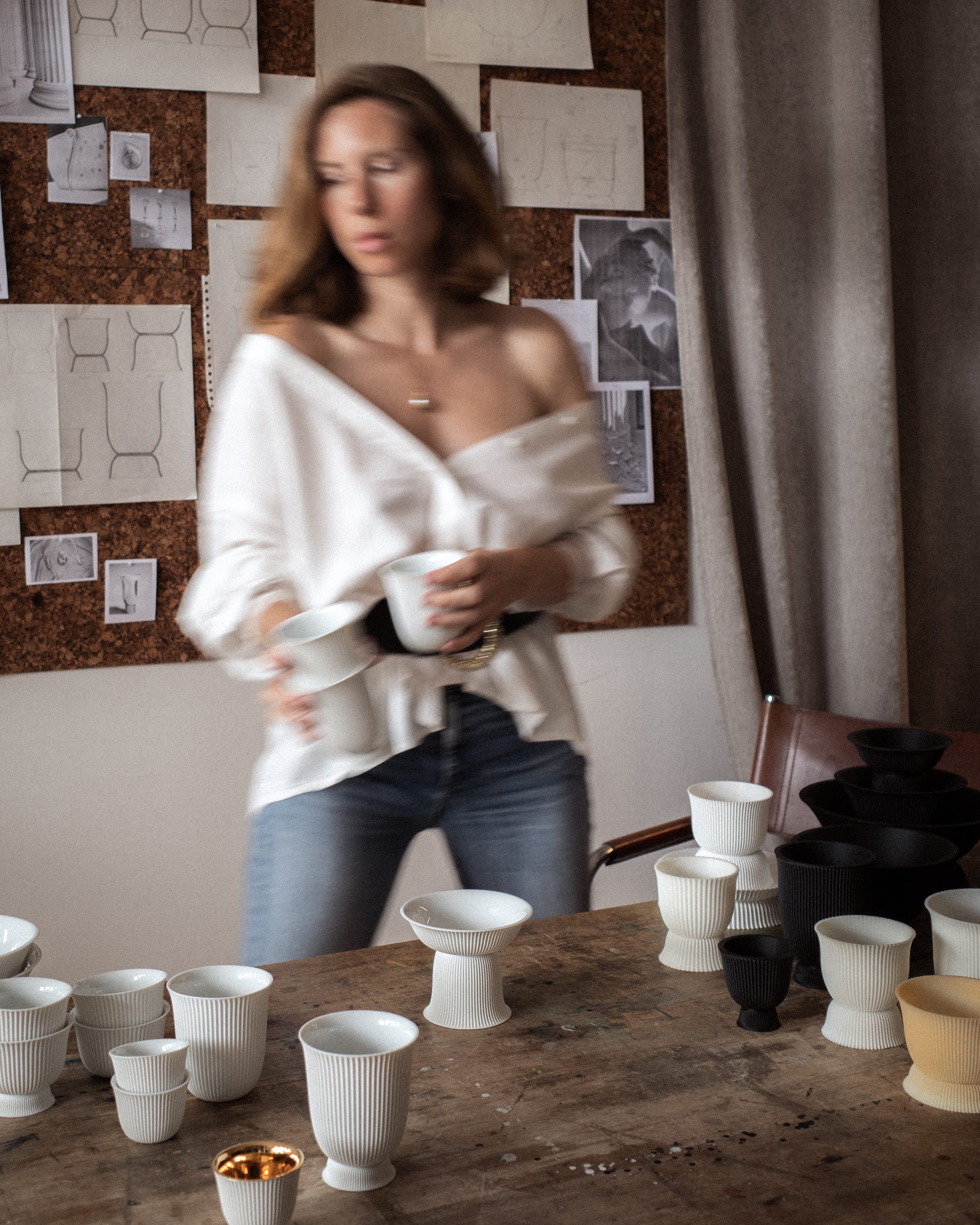
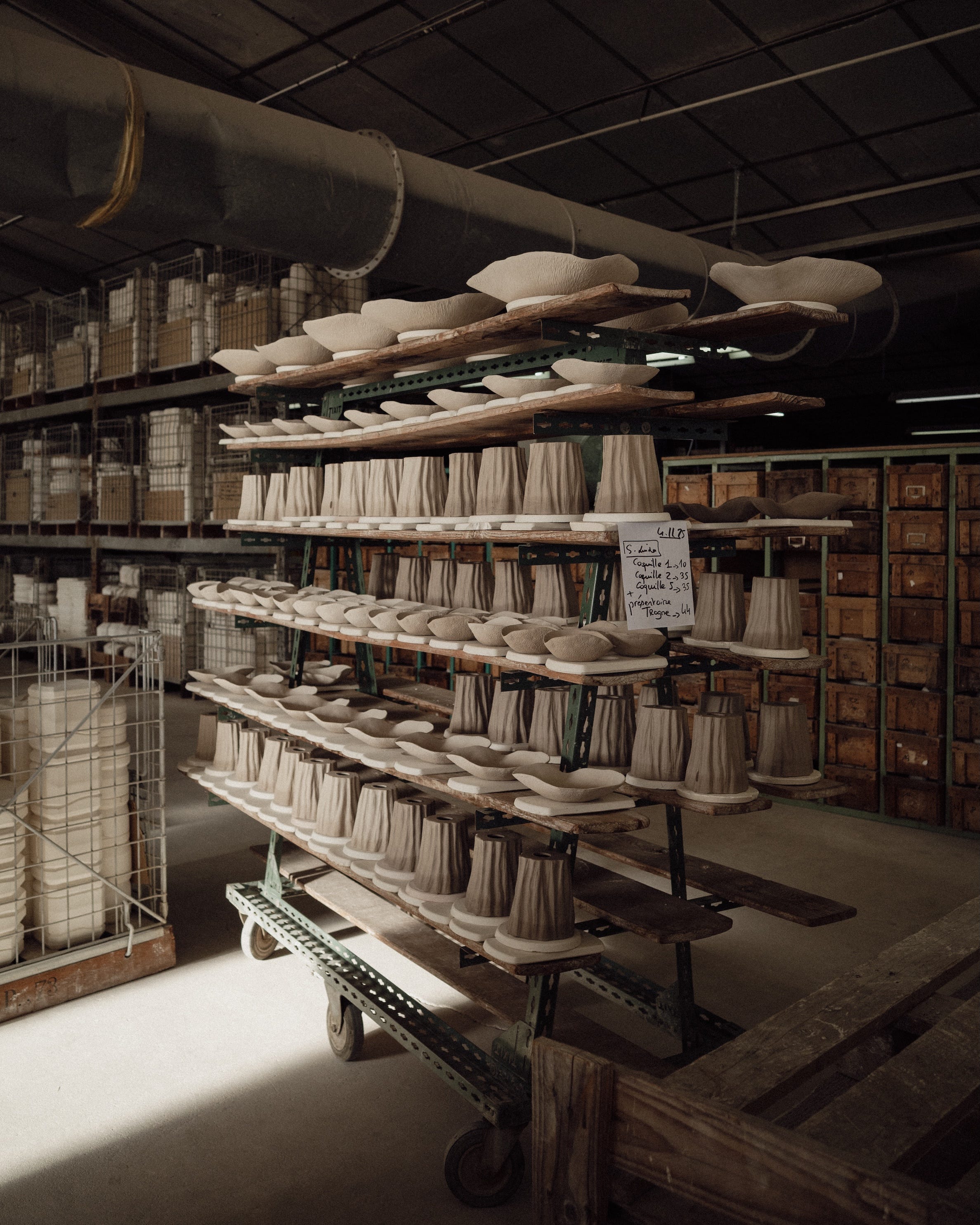
SLF: I was working with a ceramics company in the Netherlands, and I got my first order from a two-Michelin-starred chef. Less than two weeks later, he called me to say they weren’t durable enough. I felt terrible, but I realised I needed to find better material if I wanted to work with restaurants. That’s how I discovered porcelain and ended up going to Limoges in France, which is one of the most important centres for porcelain production in Europe.
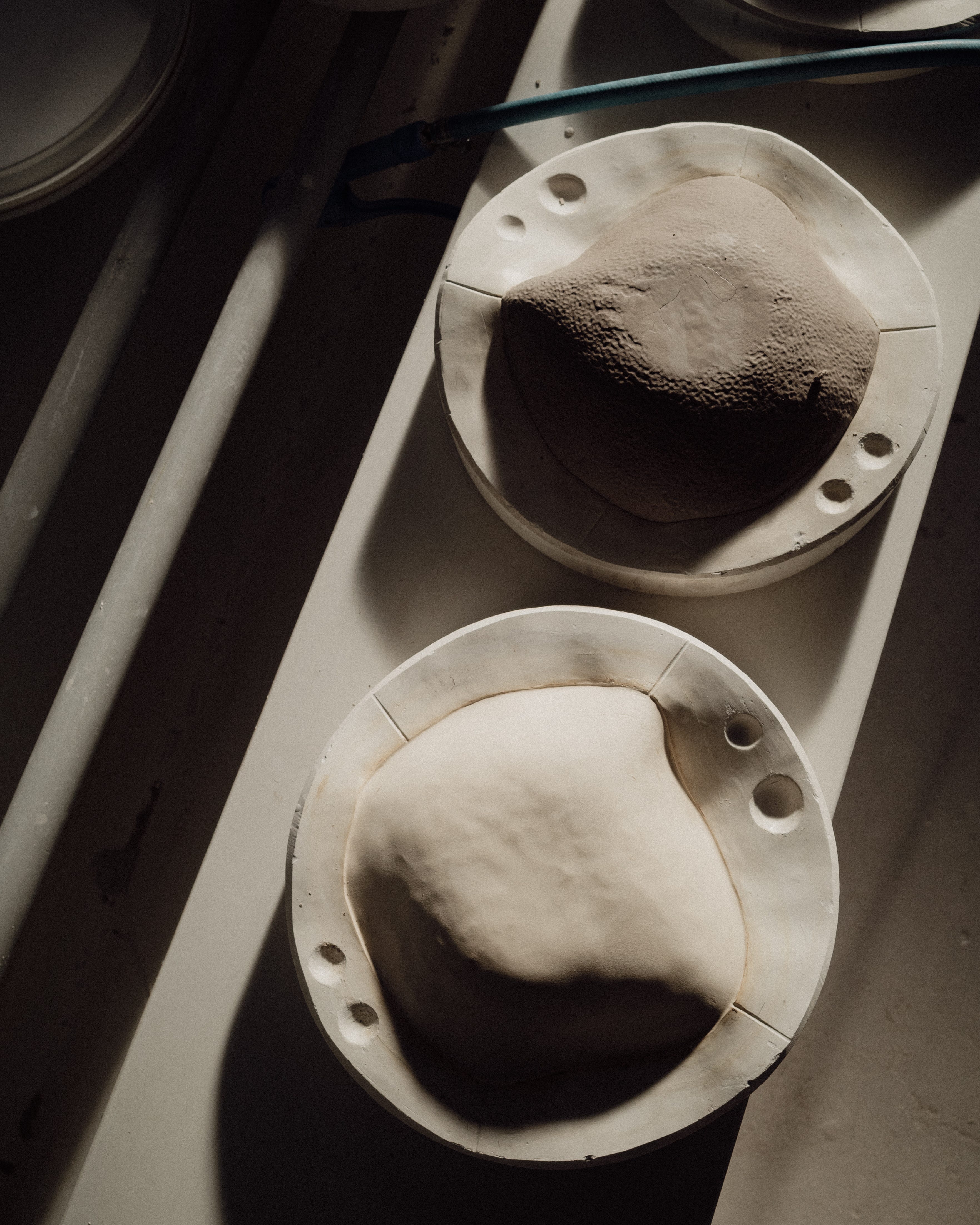
I went to different factories with my designs, but most of them told me the shapes were impossible to produce. I was disappointed until I found one factory that was willing to try. We started working together, developing the shapes and experimenting with different sizes, initially in very small quantities.
TFT: One of your bestselling pieces actually came about by accident. Can you tell me that story?
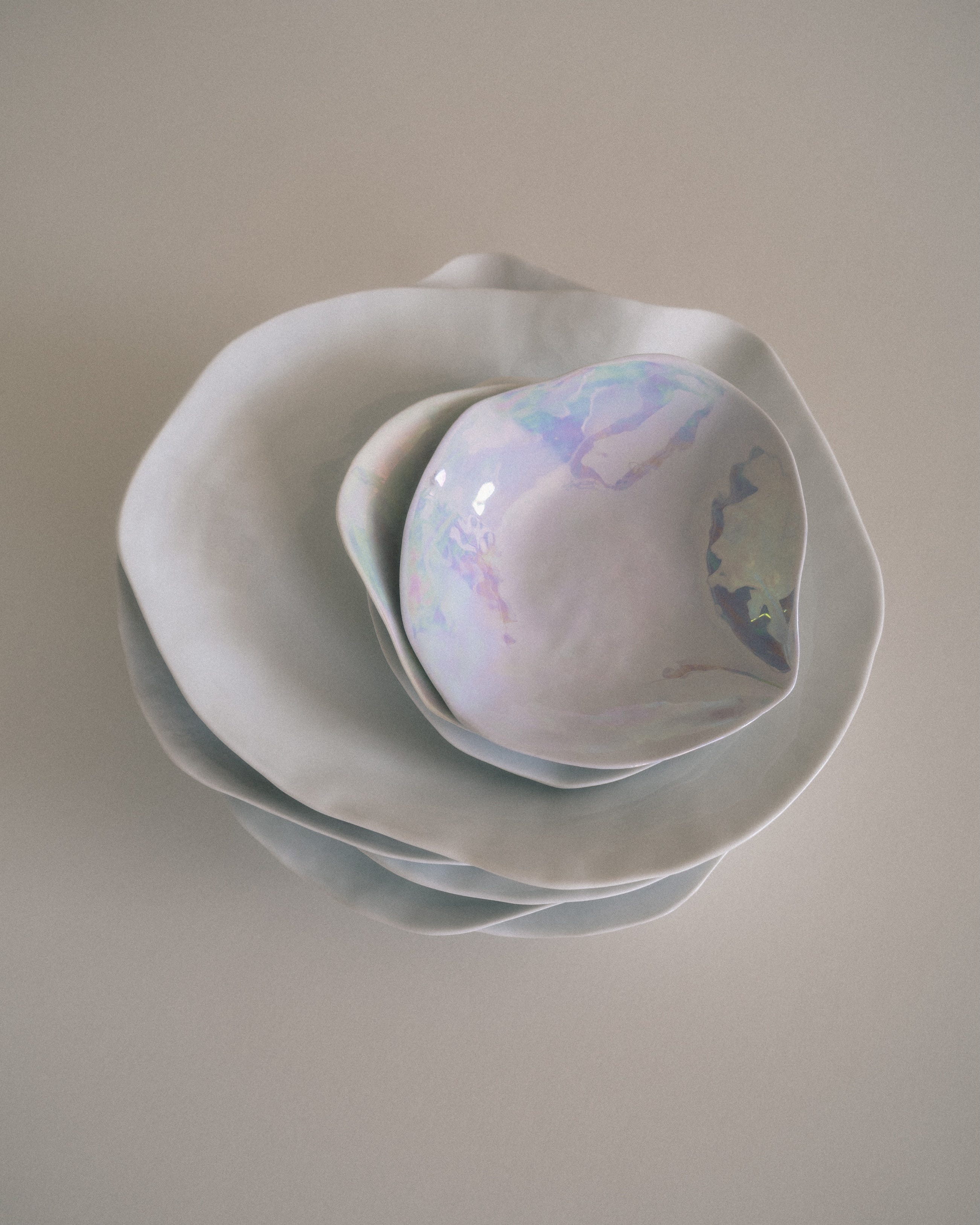
SLF: I was developing a piece for Mirazur that had these high edges, almost like wings, but when porcelain goes into the kiln it can deform during firing. When this piece came out, the wings had dropped down and the shape was completely different from what I’d intended.
At first the manufacturer called me to say this was a failure and we had to modify the shape. But I thought the shape was actually quite special. I started showing the piece to other chefs, and today it’s one of my bestsellers. Mauro Colagreco actually ended up buying it for The Maybourne Riviera. It’s funny because the shape wasn’t what I had planned at all, but it turned out to be something chefs really liked.
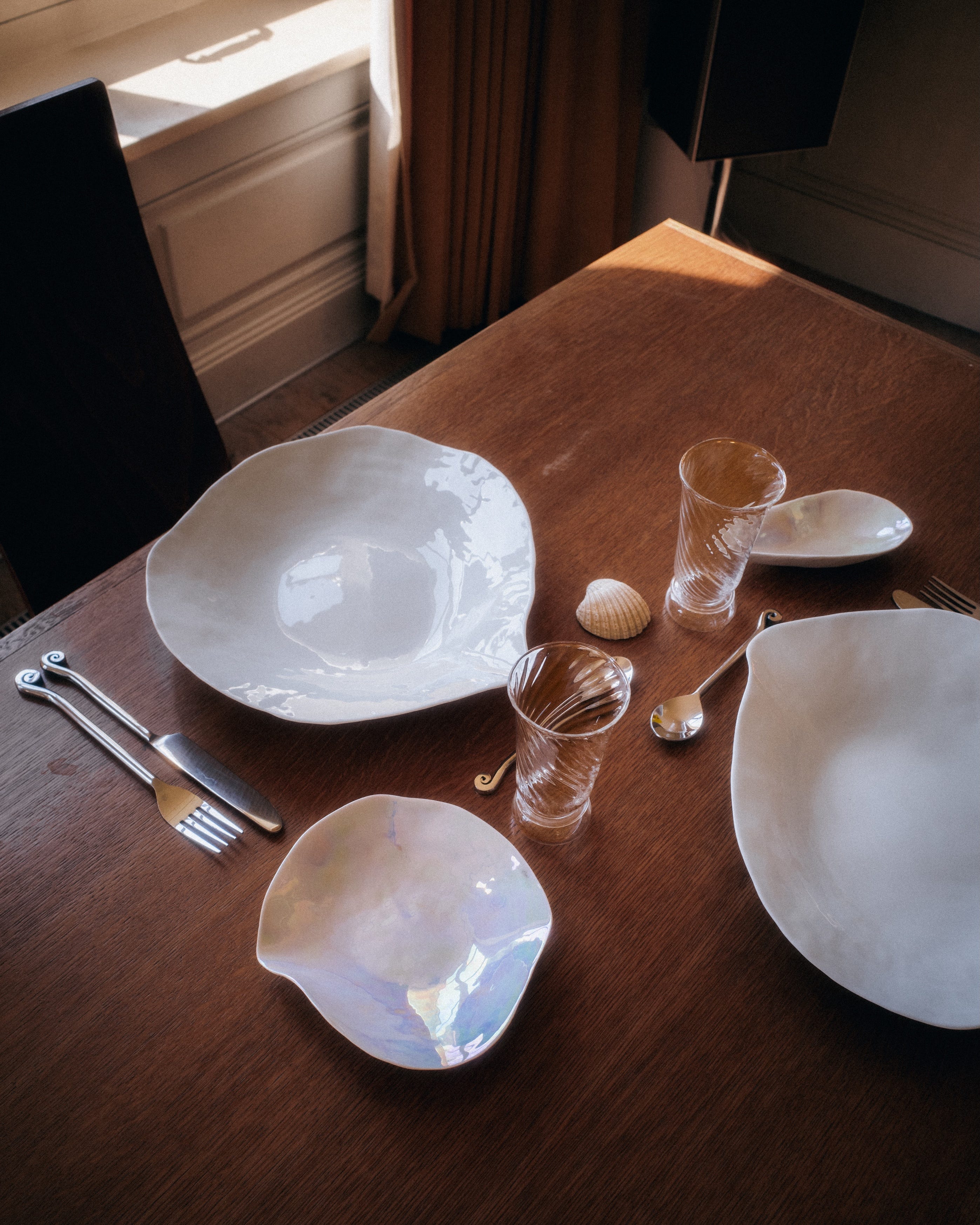
TFT: Your pieces are often asymmetrical, with uneven edges and irregular shapes. Why do you think that works so well alongside the precision of fine dining?
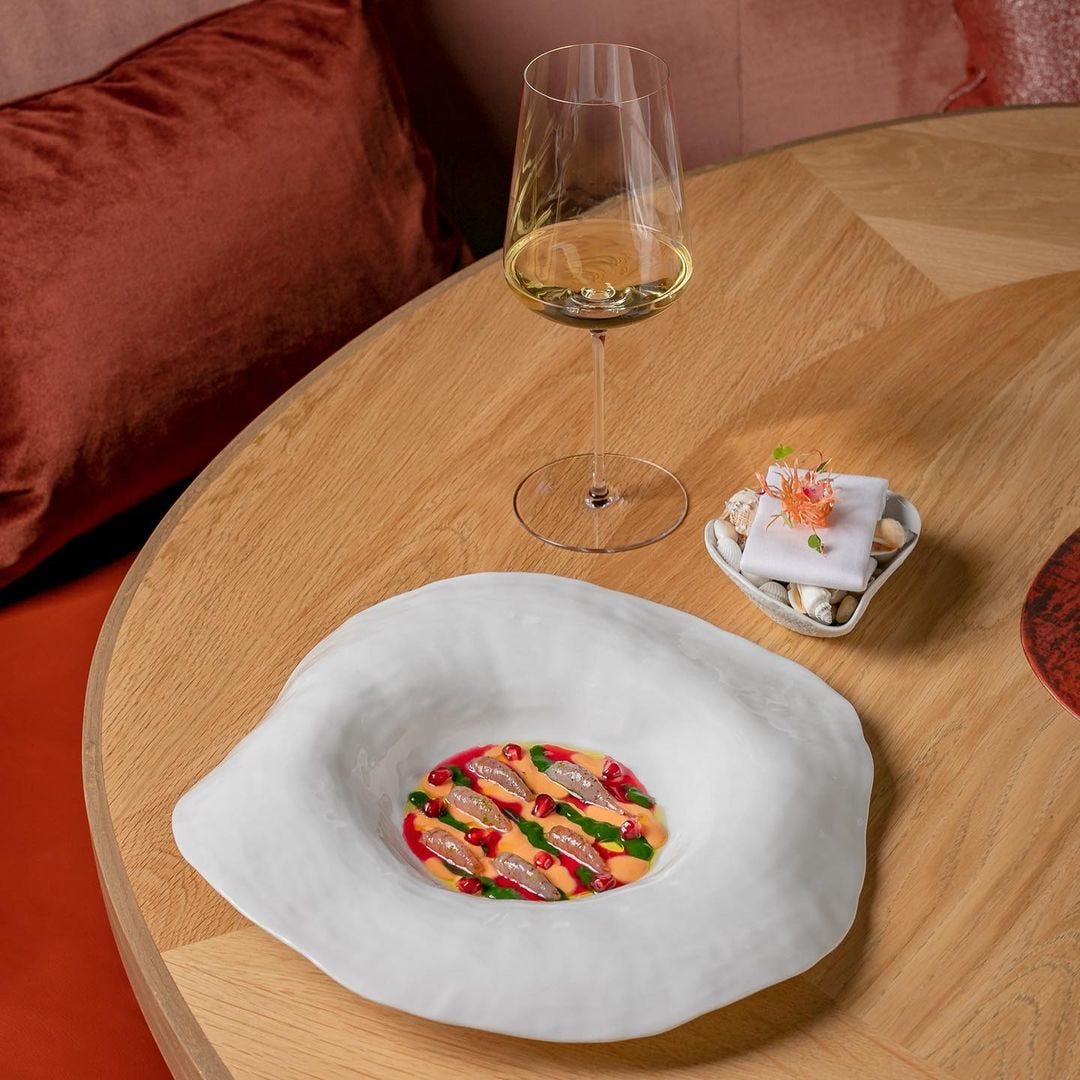
SLF: I think it gives the food a more natural, organic feeling. When a chef is creating something very precise, where everything is placed in exactly the same position every time, having a plate that isn’t perfectly symmetrical can make it feel more spontaneous. There’s also something about the shapes that means the plate can look quite different depending on which way you turn it. Even when the food is arranged in the same way, the overall presentation can change depending on how the plate is positioned.
TFT: When you’re designing for a restaurant, where do you begin? Is it with the chef’s food, the interiors or something else?
SLF: It depends on what the chef is looking for. Sometimes it’s more about the interior of the restaurant and finding pieces that work with the space. Other times, a chef has a particular dish in mind. I worked with a chef in Hong Kong who was looking for a new plate specifically for a signature dish, for example.
I always try to understand the chef’s work and what they’re currently doing, whether that’s their cooking philosophy or the overall aesthetic of the restaurant. I want the pieces to fit, but I also like to challenge chefs a little and suggest something they might not have considered. Sometimes it works and sometimes it doesn’t, but I think that’s part of the process.
TFT: Can the plate ever influence the dish itself, rather than the other way around?
SLF: Yes, the best collaborations are when we can inspire each other. Sometimes a chef comes to me with an idea and I interpret it in my own style, but it can also happen the other way around where a chef sees one of my pieces and starts thinking about how they could present their food differently. I love when that happens because it can lead to something neither of us had originally imagined. The chefs I work with are usually quite curious and always looking for something different. They understand that the plate contributes to the whole character of a dish.
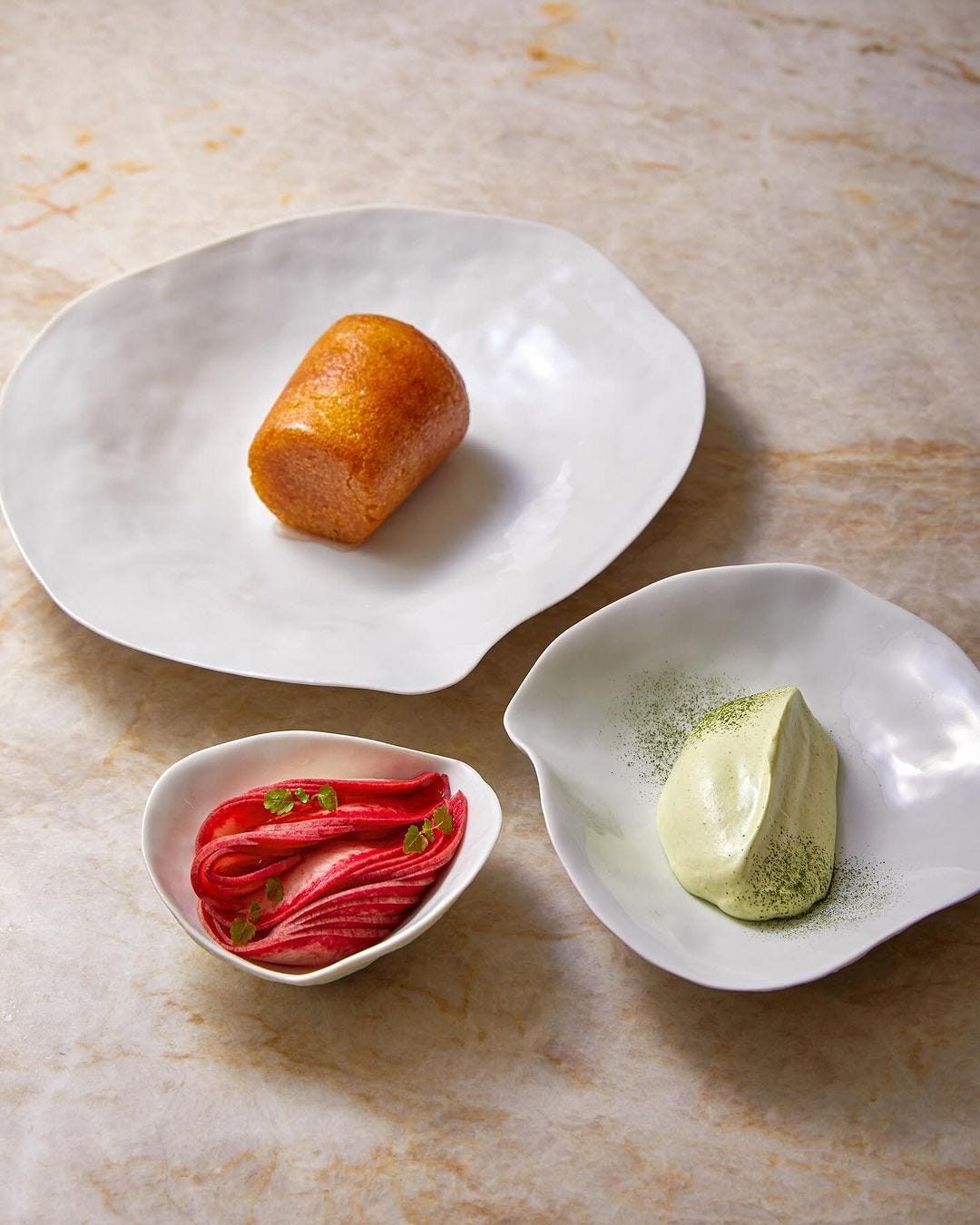
TFT: How much difference can the shape, colour or texture of a plate make to the way we experience food?
SLF: So much. Everything! There’s a book called Gastrophysics that looks at how things like colour and shape influence our experience of food. I’m not a scientist, so I don’t really approach my work in that way, but I think the plate makes an enormous difference.
If you have a restaurant using lots of dark plates with thick, rustic rims, it creates a very different impression from a restaurant using light, organic shapes with thin edges. The plate is a frame for the food, if you put a dish on something big and dark, it can feel more grounded and masculine, whereas a lighter plate with softer shapes might make the same dish feel more delicate or feminine. I think the plate contributes a lot to the character of the dish, and I hope my pieces create an interesting feeling when people eat from them.
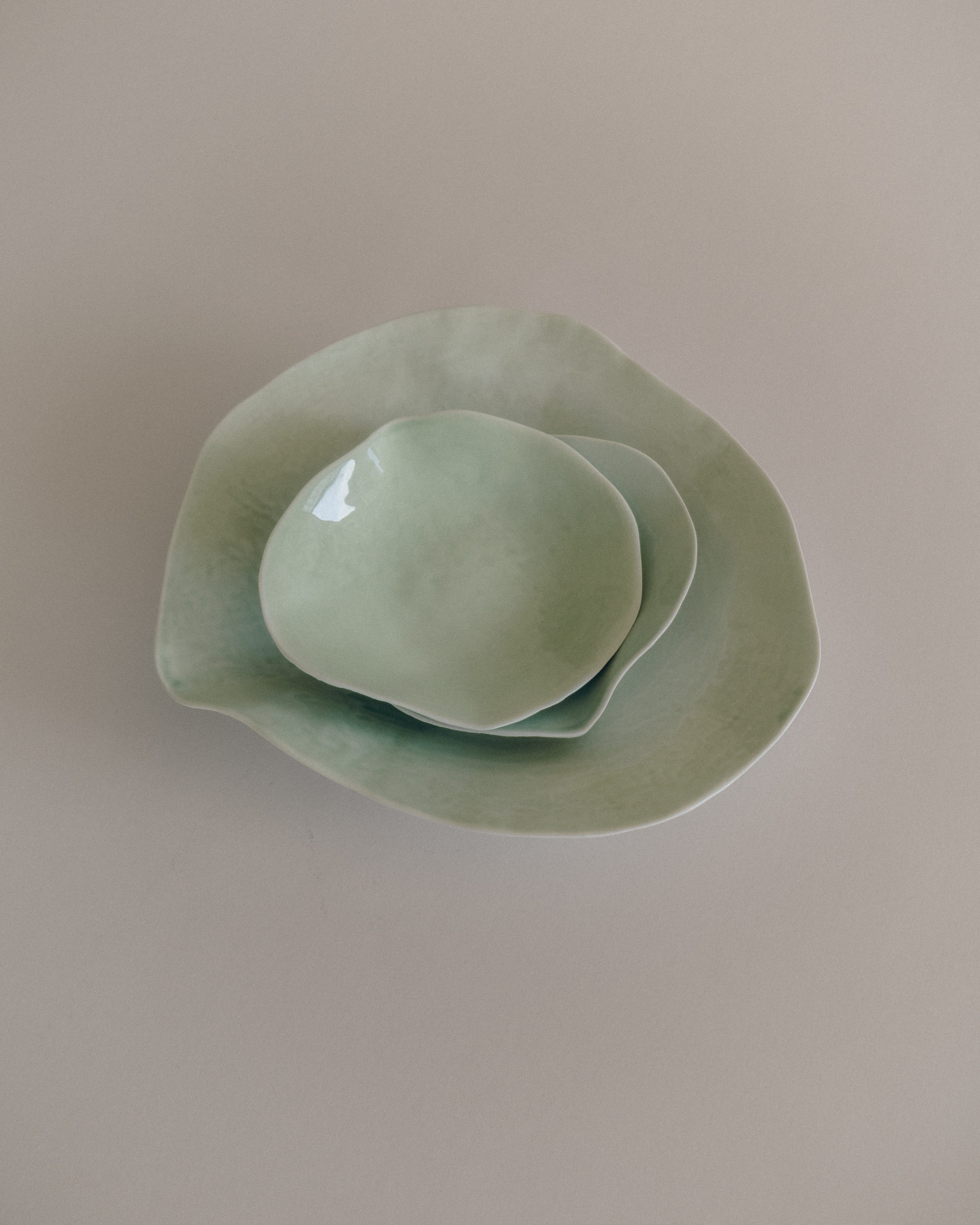
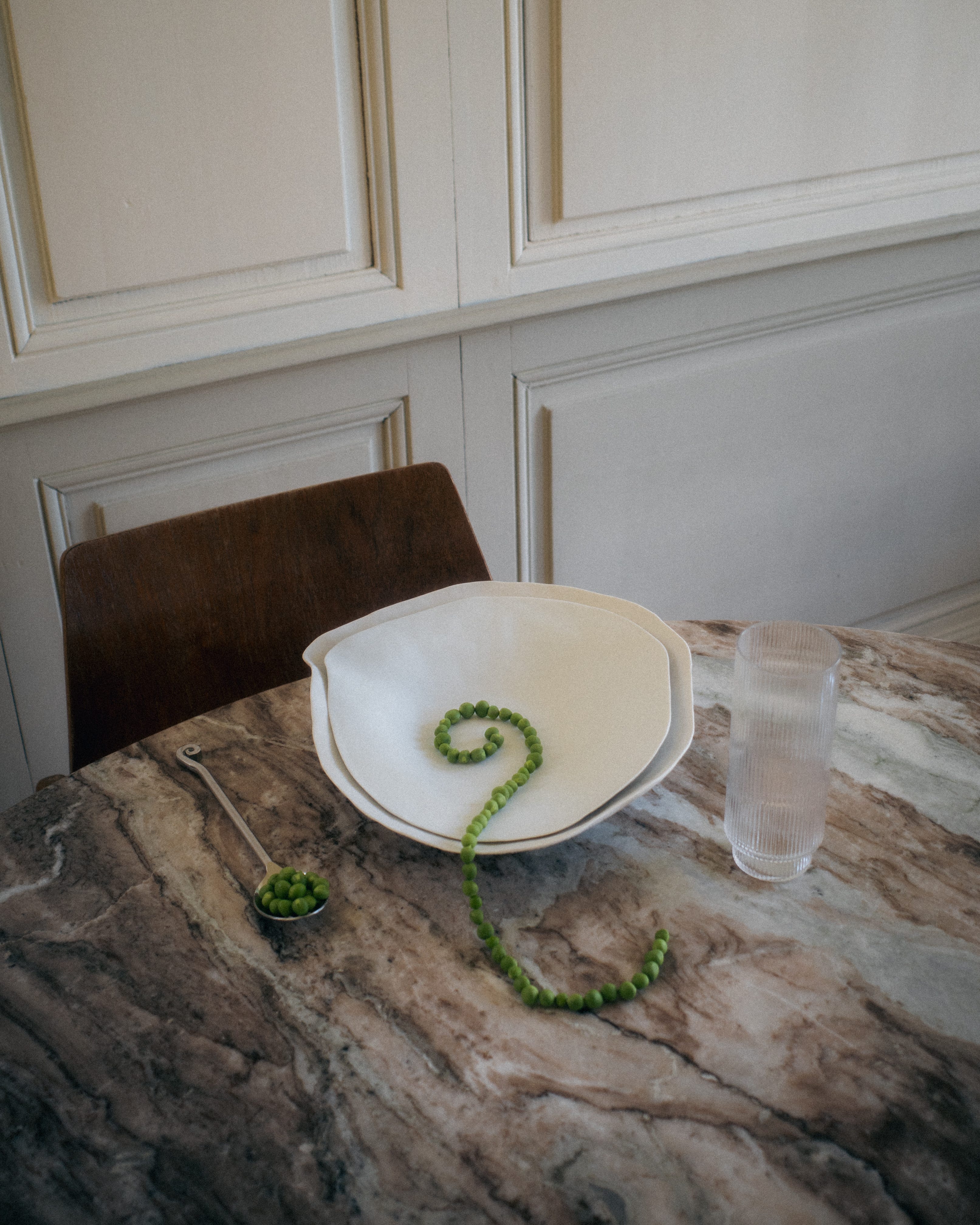
TFT: Finally, most diners probably won’t remember the exact plate they ate from, even though they’ve spent an entire meal looking at it and touching it. What do you hope people feel when they eat from your work?
SLF: I hope it creates a feeling of being present, of really being in the moment. You’re not just looking at your food and eating it, but experiencing everything around it. The shape of the plate, the way it feels, the fact that it looks different from different angles. I want people to become more aware of those things and for all their senses to be awake. Ultimately, it’s about being immersed in that moment and feeling alive.
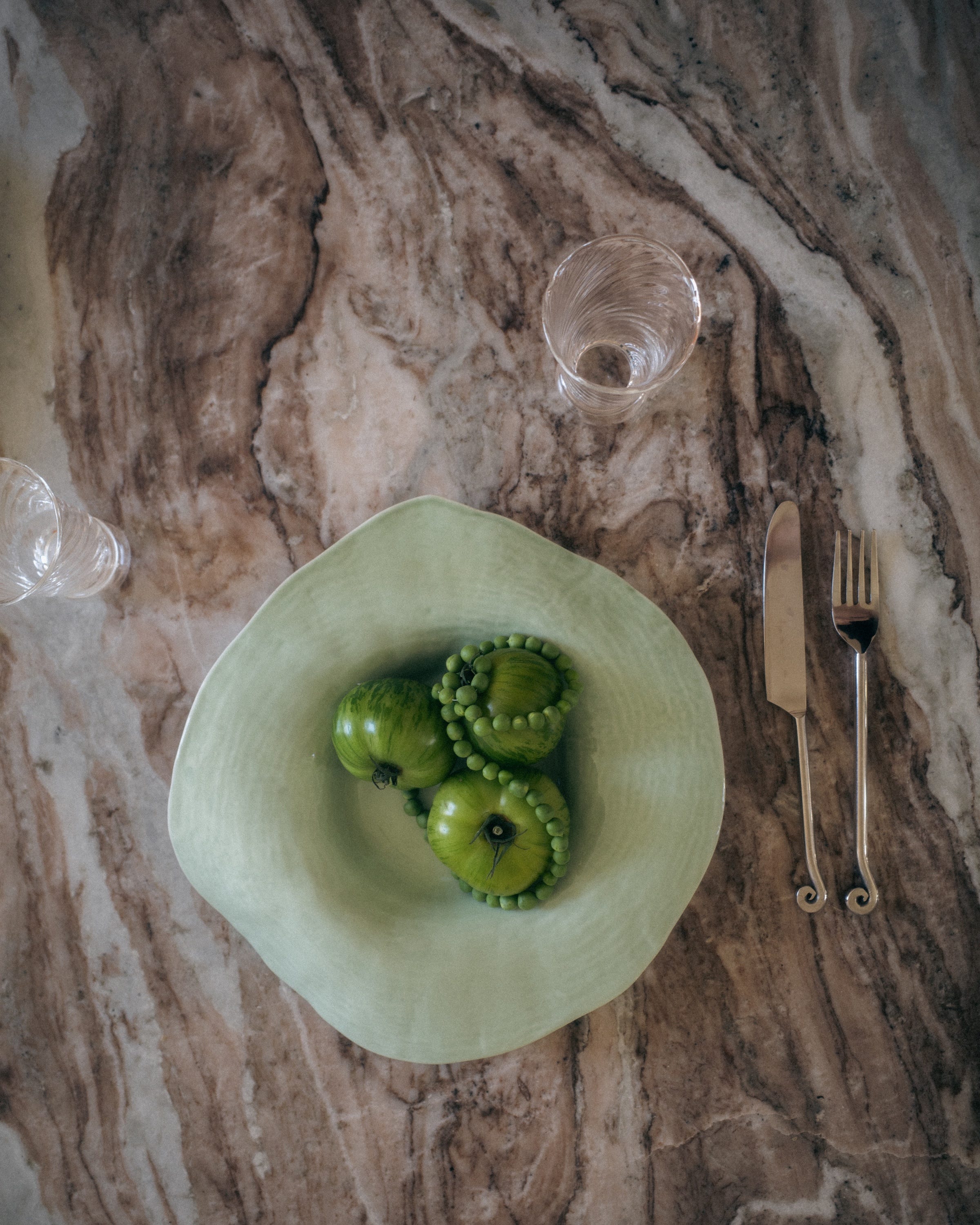
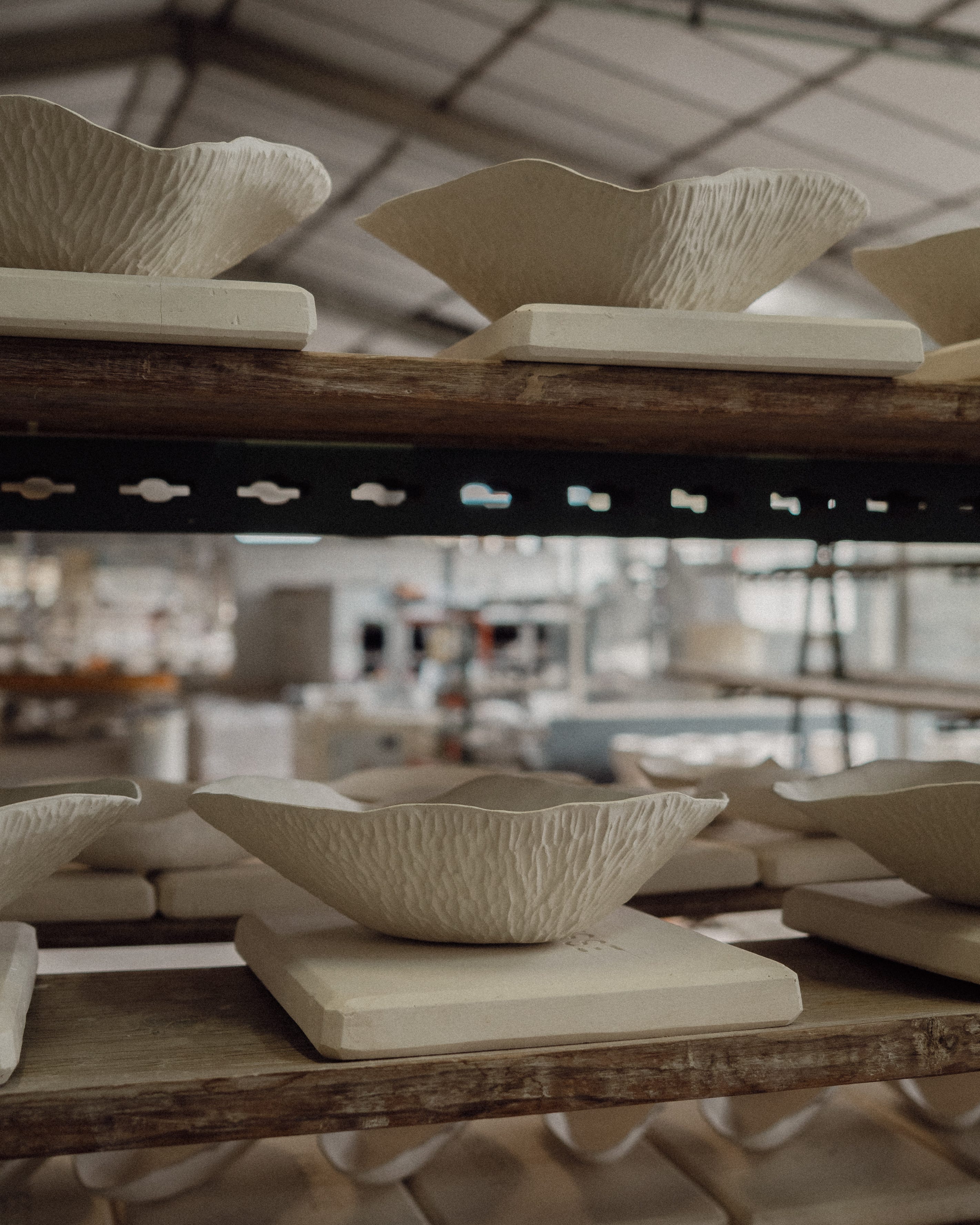
Alongside her work with chefs, Sarah-Linda has a beautiful collection of porcelain tableware and decorative objects available for the home. You can explore the full collection on her website or follow her on Instagram for a closer look at her work.


See also: Skye Corewijn, the plate queen of London (and beyond!)
Love the interview and the plates look beautiful even in pictures.