


Criticism of tasting menus is nothing new, but the fatigue with the format feels louder lately. The pushback ranges from stuffiness to economics to not wanting to sit at a table for three hours. I understand this pushback (although I must admit, I do love lingering at a dinner table), but I've always defended the format on the grounds that a tasting menu is the best possible way to encounter a chef's work as an art form rather than simply a service.
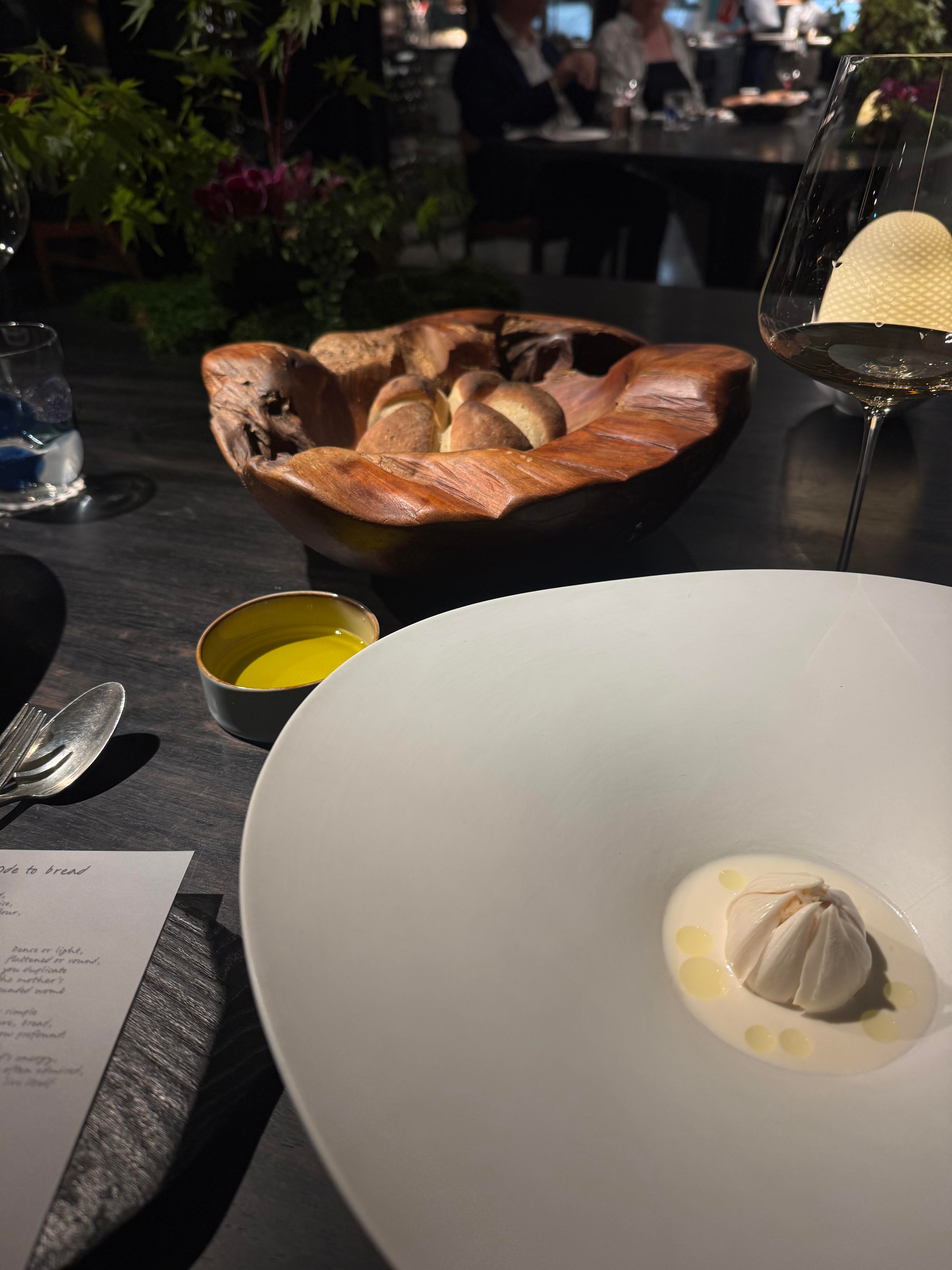
I was having this conversation with my husband recently, and it turned into a bigger question. When does a chef stop being a cook and become an artist? When does a meal stop being functional and become an artistic expression? When does a diner stop eating a meal and start experiencing one through their tastebuds, the same way they’d experience art in a museum or gallery? And is all of that only possible through a tasting menu format?
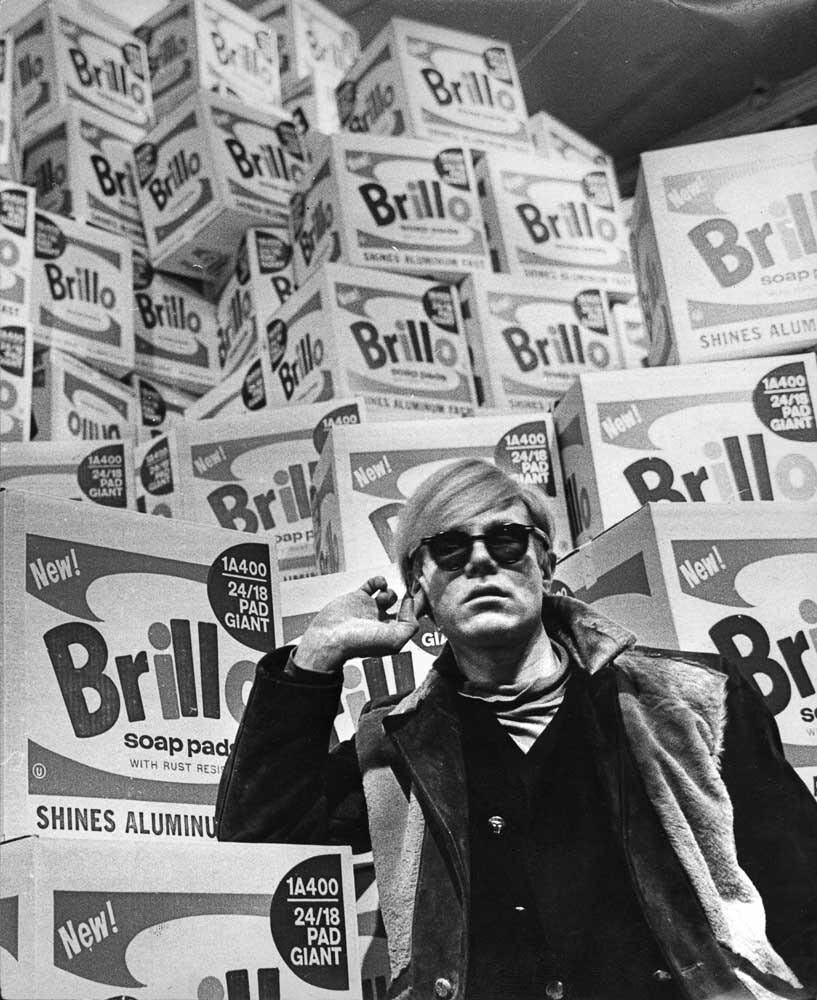
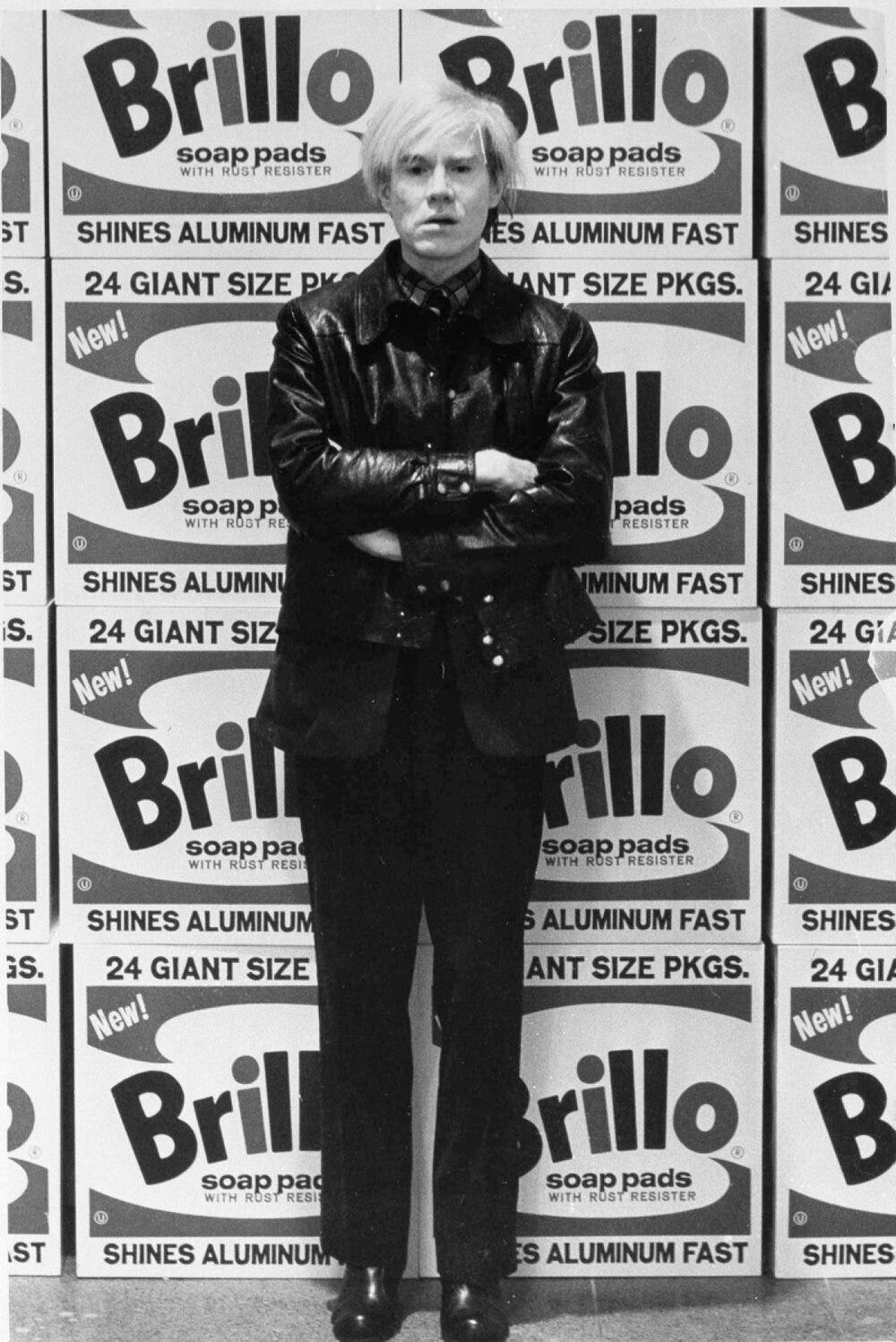
To answer these questions we begin, improbably, with Andy Warhol's 1964 Brillo Boxes. If you're not familiar with this work, it's a series of plywood boxes, painted and silkscreened to replicate the packaging of Brillo soap pads down to the logo, colours and text. When the piece was first shown in New York in 1964, the reaction wasn't just puzzled, it was genuinely hostile, and it sparked conversations in the art world and beyond that are still being had today. The philosopher Arthur Danto responded to the controversy with an exploration of what actually constitutes art in his essay “The Artworld.”
I remember reading this essay in an art history class I took at university, and as I started to explore this question of the difference between a chef being a cook versus an artist, and a meal being functional versus a piece of art, I decided to re-read it and was struck by several points from Danto’s argument.
Warhol’s Brillo Box is perceptually identical to an actual Brillo carton in a supermarket stockroom. If two objects look the same, the difference between “art” and “not art” can’t be discerned in the object’s colour, form, composition and craft, it must be discerned by something else. The same can be said for a piece of cooking, if a similar dish is executed by a chef with a story and a home cook on a Tuesday night dinner, does that automatically make both dishes a piece of art?
Danto argues that art’s status comes from outside the object, “an atmosphere of artistic theory, a knowledge of the history of art,” essentially a framework the viewer can bring to the object.
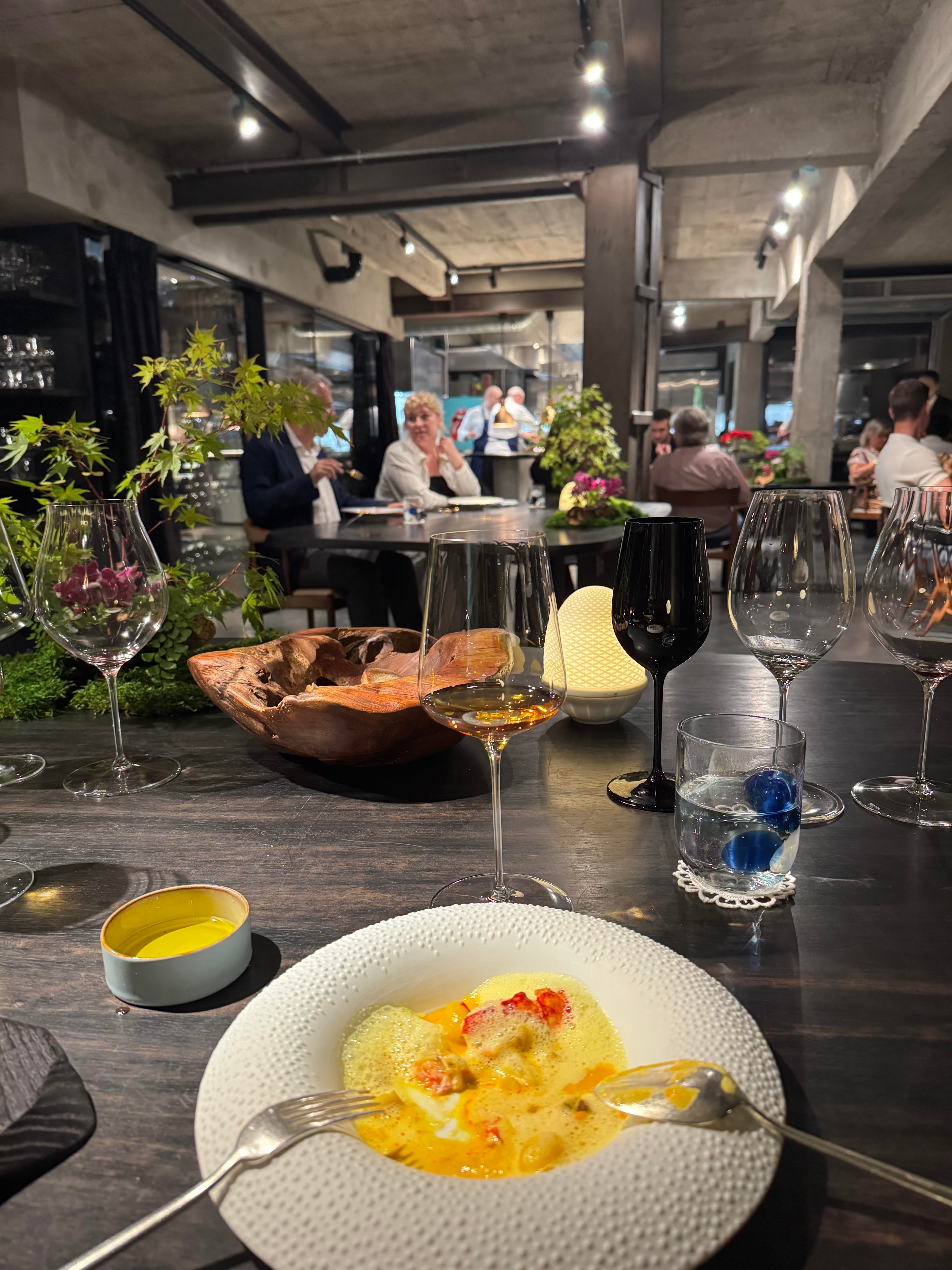
Which brings me to a tasting menu I had a few weeks ago at Restaurant JAN, a South African-French restaurant in Nice. The main course was a duck, plum foi gras and bobotie executed using classic French technique. Bobotie is a traditional South African dish of spiced minced meat with an egg-custard topping. Our French interpretation of babotie at Restaurant JAN was served alongside a skillet of the traditional version, providing us the diners (who’ve never had babotie before) a reference point to experience the chef’s translation of an interpretation.
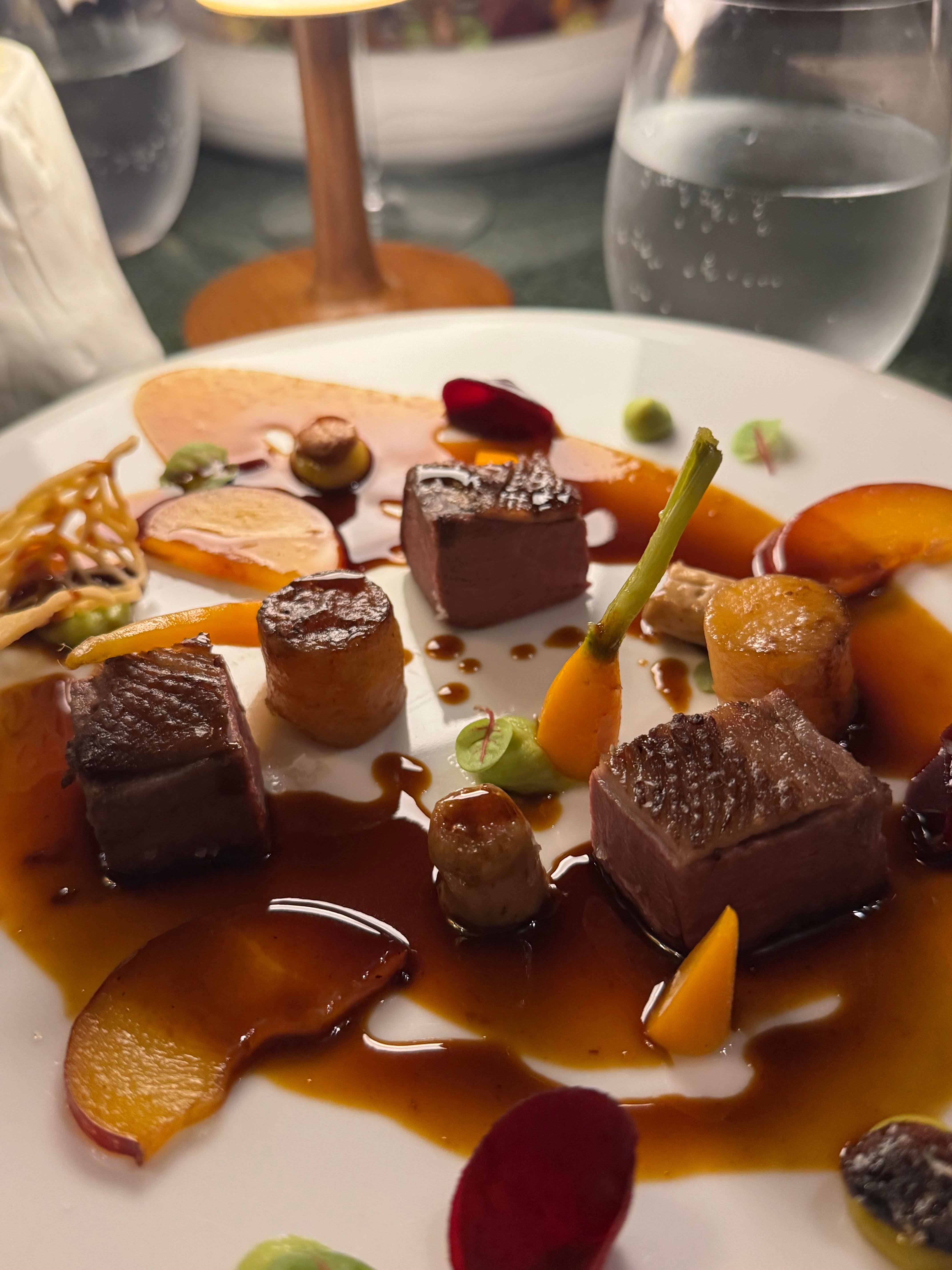
Restaurant JAN handed us a framework to interpret the course on a literal plate, but I actually think Danto’s claim is more nuanced. The framework doesn’t have to be served alongside the dish in a literal sense (though it could be). It just has to be available to the diner. Instead of being handed a framework to interpret the meal, an educated diner can also walk into a meal with the same accumulated context that an art historian brings to a gallery, context of where the chef has cooked before, an understanding of what’s inspired the kitchen, and where the chef sits relative to their peers or own past work. In other words, a meal becomes art when it has context that can be experienced around it.
Danto’s essay “The Artworld” not only proposes the argument for Warhol’s Brillo Box, which has context, a framework, and an artist claim behind it, therefore clearing the bar to be considered art, his essay is attempting to answer the question “what is art” in all its formats, displacing older definitions that were based simply on beauty, technique or expressive skill. Art requires context and a framework for you to experience it in.
So this brings us back to our initial question, when does a meal stop being simply functional and become an artistic expression?
Tasting menus aren’t the only format for a meal to become art, but tasting menus do a better job of narrating the context behind the meal where an à la carte format might provide signals of their story (in technique, pacing, ingredients, menu balance etc) but it usually requires the diner to explore further. Neither format is the requirement, they’re just two different delivery mechanisms for the same thing a meal needs to earn its place as art in the first place.
The real signifier of whether a meal can be classified as art is the intent and aboutness of the meal. In an à la carte format, the chef still has a story, and when that story is strong enough, the legibility shows up differently than a server explaining it to you.
At a lunch with my team some time ago, we went to Rambutan in Borough Market and the experience blew me away. Explosive flavours, the table overflowing with dishes, there was almost an intensity to the speed at which the dishes arrived and the table to plate ratio was comical. I knew little about the restaurant going into it, but I didn’t need the context to know something was being communicated.
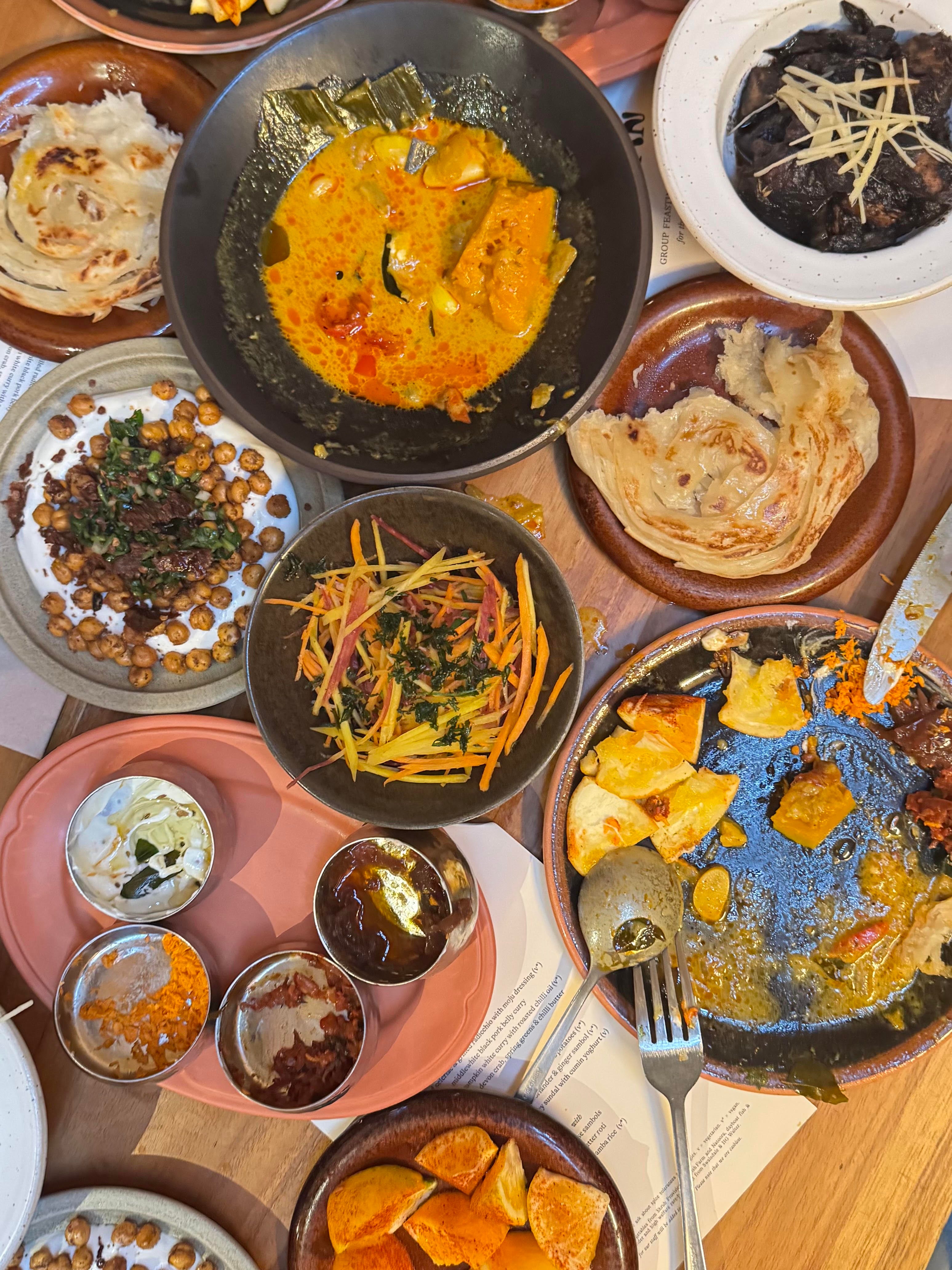
After that meal I scrambled to gain as much context as possible. Chef Cynthia Shanmugalingam’s, British born to immigrant parents, opened Rambutan as a way to reconnect with her heritage, traveling back to Sri Lanka after the Civil War ended. She said these trips were a culinary revelation, inspiring her to recreate the same rustic meals with bold flavours. I went back to Rambutan with this point of context, and felt I was able to experience the meal in an entirely new way with a deeper appreciation.
Tasting menus aren’t the only format for a meal to become art, but tasting menus do a better job of narrating the context behind the meal where a more casual format provides signals but usually requires the diner to explore further.
So the real signifier of a meal classified as art is the intent and “aboutness" of a meal. A home-cooked weeknight dinner or a soulless meal at a restaurant chain can fail in the same way a three-star kitchen theoretically could if the food isn’t about anything outside nutrition, habit or transactional need to fill hunger, with no authorial claim behind it.
This brings us back to the Brillo carton. Whilst Danto would argue Warhol’s creation is art, the version in the supermarket stockroom, which looks identical, isn’t art at all, because nobody intended for it to mean something. This same logic applies to food cooked purely to fill a function. What disqualifies anything, a meal included, from becoming art is the absence of intent to mean something, cooking as pure service, with no claim being made at all.
After dinner conversation
Five stories from dining and culture worth bringing up at the dinner table this weekend.
01. Marco Pierre White's ultimate travel food list
If I had to pick a celebrity crush, it'd be Marco Pierre White in the 1990s. These days I appreciate him more for his self-deprecating humour, the influence he's had on London's dining scene, and his standing as a tastemaker. The Times ran a piece this week where MPW lists his favourite places in the world to travel and eat. I was delighted to see La Colombe d’Or as one of his favourite spots, and I’ve added all of the others to my own travel list.
02. The painter who finds the absurdity behind the dining room door
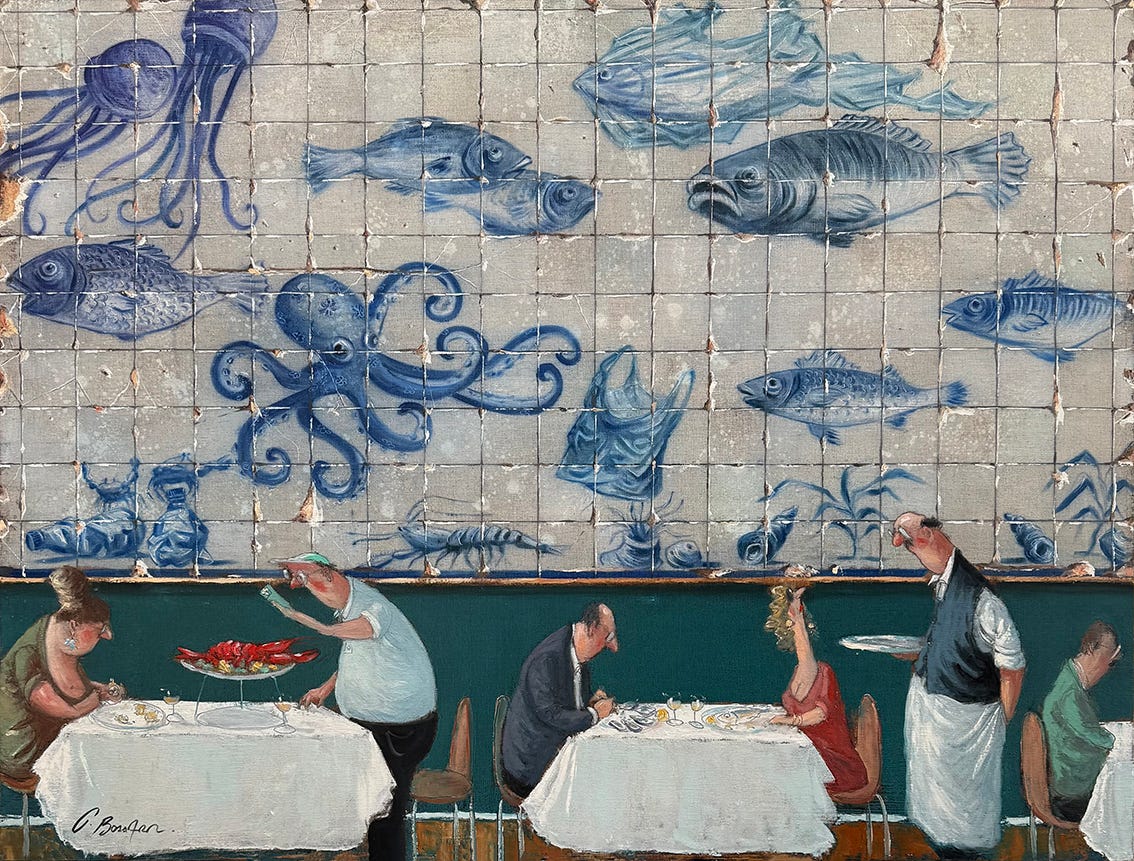
My own art collection leans abstract, but I have a soft spot for satire. Thomas Bossard is a contemporary French painter who provides some levity in my feed. His work finds the humour in traditionally stuffy institutions, and the chef, kitchen and dining room are a recurring motif. Chefs and diners show up as small, comical figures against imposing backdrops, a nod to the real absurdity that plays out in these rooms.
You can see more of Thomas Bossard’s work on Instagram, or in person at the L’Oeil du Prince Galerie in Biarritz.
03. “Fine dining is dead,” says chef Bruno Verjus
In a video posted to Instagram, chef Bruno Verjus announced he's closing his two-Michelin-star Parisian restaurant Table, opening the video with the line "fine dining is dead." His reasoning: he no longer feels comfortable excluding people from his table. It's a fair point, and a respectable one. But I don't think fine dining is dead, I think it's evolving into something new (and potentially more inclusive…)
04. Where does the art world eat in New York?
If you need something for your morning walk, I enjoyed The Art Angle's podcast episode, Where the Art World Eats. As a born-and-raised New Yorker living abroad, it's hard to keep up with the city's ever-changing dining scene, but museum-and-restaurant partnerships sound like one of its biggest trends in New York in 2026.
05. A deranged thriller for food lovers, and an important commentary on excess
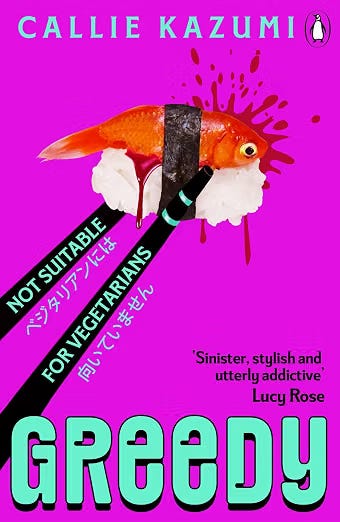
I read Callie Kazumi’s novel Greedy a few weeks ago on holiday and thought the food writing was really excellent. Fair warning though, the ending goes somewhere unhinged, but it’s a powerful commentary on excess, one that I’m still thinking about weeks later.
Table for Two lives at the intersection of food and culture, not simply recommendations, but a considered point of view on why dining matters, and where to find the best of London’s table culture. If this piece resonated, please support my work by subscribing.
Thank you so much for the thoughtful comment. Really interesting point you bring up about PR & marketing. I don’t think there’s anything wrong with a PR firms magnifying a chef’s story but agree it needs to come from an authentic place! Looking forward to seeing your upcoming piece.
Danielle
Chefs being held in high regard as “artists” is a relatively new concept. In fact, just a few hundred years ago, classist societies did not award stardom to cooks, actors, singers, tailors (i.e. today’s fashion designers), etc. As offensive as this may be in today’s world, much of the time they were looked down upon, and, in the food sector, were often regarded as “the help.”
Stardom did not happen at once for the aforementioned vocations/sectors/creative industries. Fine artists were the first to receive recognition, followed by movie stars and fashion designers, and now we’re in the era of the “artist chef,” often confused with the “celebrity chef.”
Awarding status to such vocations is a relatively young concept (as opposed to the age of humanity). This has accelerated in the 20th century with the acceleration of the media, TV and entertainment industries. There is also the evolvement of the “Western” society towards more and more individualism (as opposed to the communal “East”).
In other words, the “star chef” is a phenomenon that is just a few decades old, fuelled by the media, food awards, PR firms, etc. Without the marketing and PR channels that have become more and more sophisticated over recent years, I wonder if the idea of the “artist chef” would have materialised at all, a condition that does not apply to other sectors, such as fine art, writing, etc.
Artists and authors have made a name for themselves way before media, marketing, advertising and PR became the machine they are today. Fashion, on the other hand, seems to have climbed up the ladder of status from mere “tailoring” to “fashion design” at the same time that legacy magazines – like Vogue and Vanity Fair – became part of the lives of the aspirational middle class as well as the upper class (in “Western” societies). Therefore, changing attitudes and dictating cultural trends, which is what the media does.
Which begs the question: When a restaurant is backed by a PR firm that has been writing the chef’s story/narrative, is this genuine art or just marketing?
Arguably, not all Michelin-star chefs are the creative visionaries the media paints them to be. Among those are obvious frauds who are intelligent enough to manipulate perceptions about themselves. Some have actually sat down with a PR expert or team and come up with their USP, such as “butter from the milk of a single cow.” That’s not wholesome eating, that’s pretentiousness masquerading as genius vision.
This does not negate the authenticity of all chefs, in terms of actual culinary craftsmanship, vision and narrative. But seeing the explosion in hospitality PR (including social media’s influencer industry) in recent years, it’s becoming more and more difficult to discern whose story is genuine and who is a front for a PR strategy, often backed by investor or corporate money.
Lovely newsletter btw, the whole read was extremely thought-provoking to me, and I’ve already jotted down a few notes for an upcoming newsletter post inspired by this.