


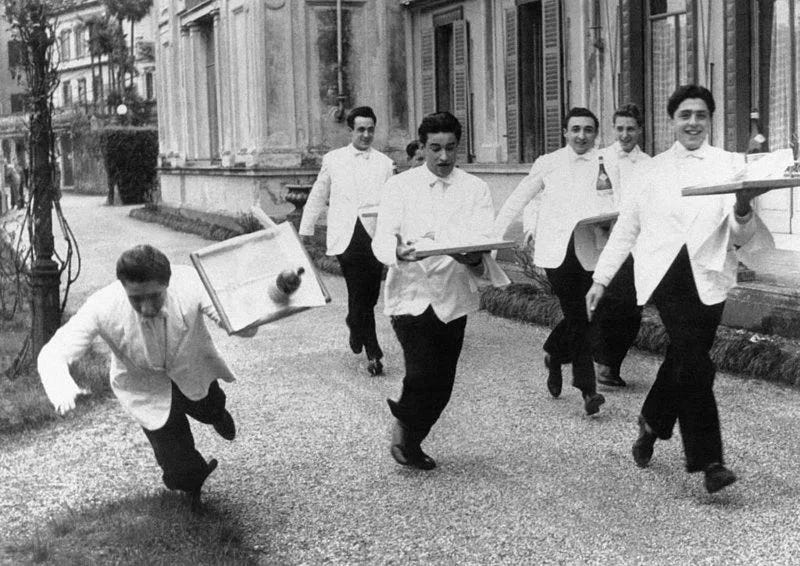
Fergus Henderson, the chef behind St. John in London, has never displayed his Michelin plaques. They’re stored under a sink, which is either a statement or a joke, and with Henderson it’s probably both.
St. John opened in 1994. By the time it received a star in 2009, it had already appeared in the World’s 50 Best, been cited as Anthony Bourdain’s favourite restaurant in the world, and shaped a generation of British chefs who worked there before going on to open the places that now define how London eats. The star arrived fifteen years late, to a restaurant that had long since stopped needing it.
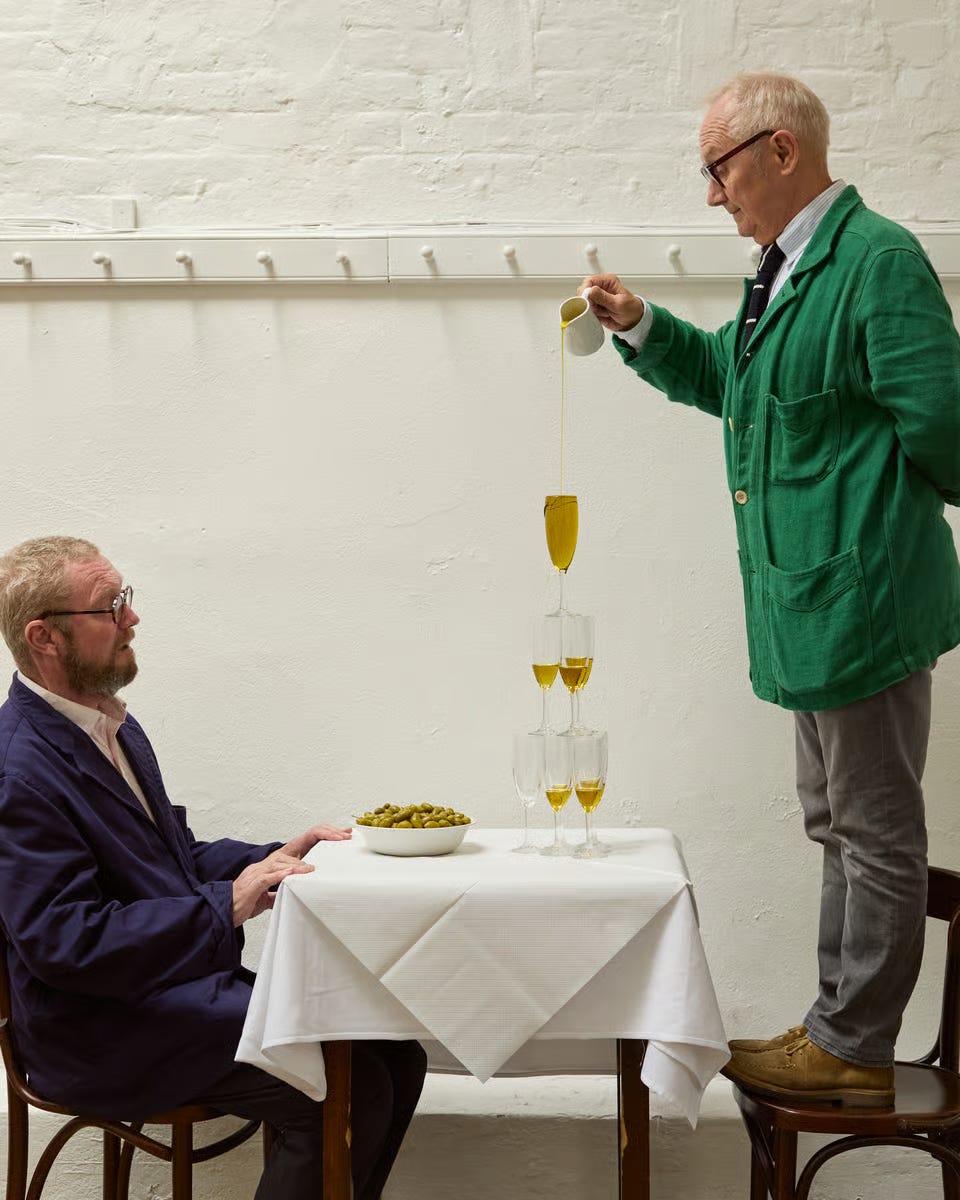
Restaurants are awarded Michelin Stars on five criteria: quality of ingredients, mastery of technique, the personality of the chef expressed through the food, value for money, and consistency across dishes, across visits, over time. These are rigorous, defensible things to assess, and many chefs spend entire careers building their restaurants around them. For most of the culinary world, the star remains the gold standard, the highest external validation a kitchen can receive.
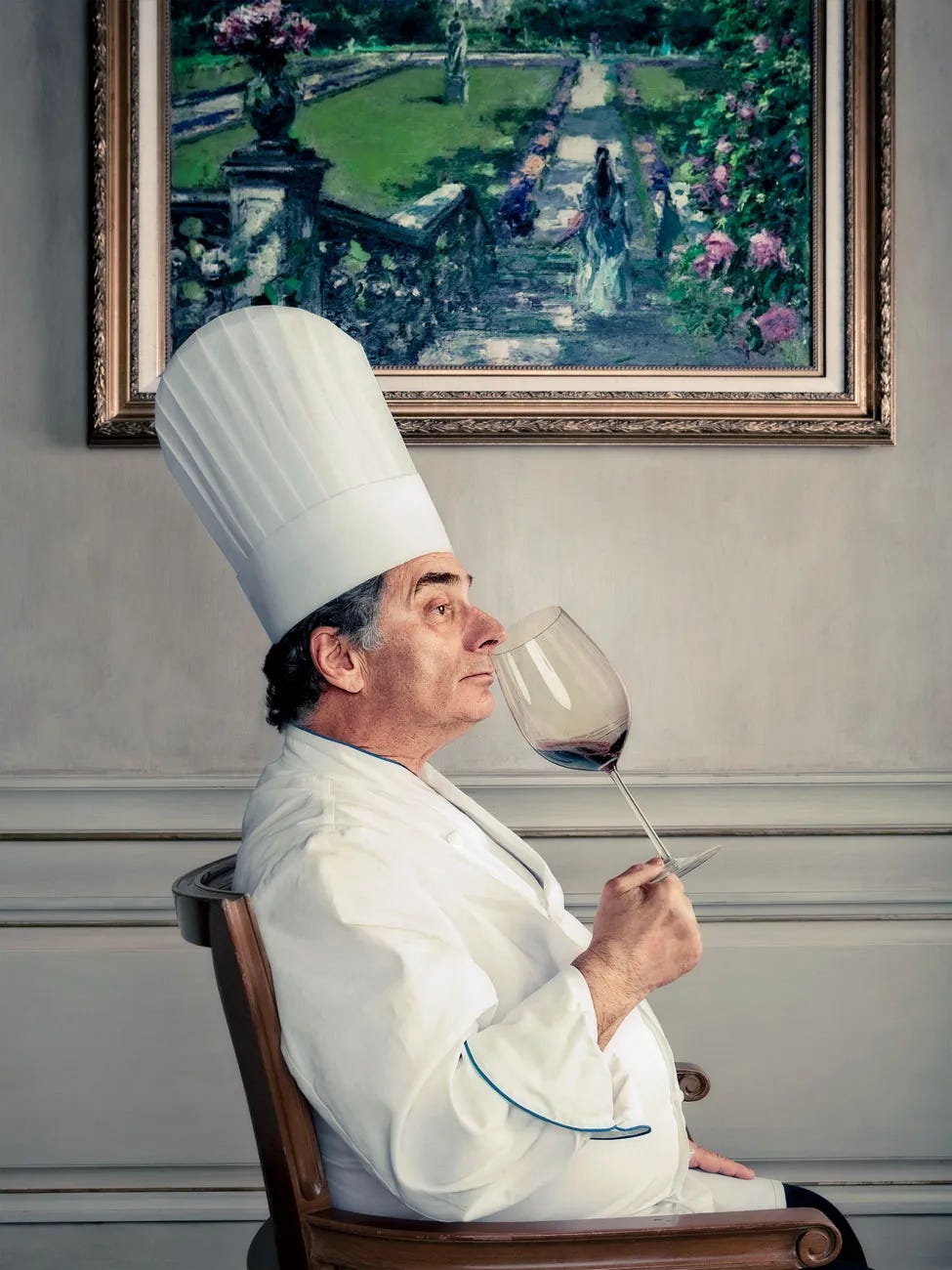
But there’s a more interesting conversation happening alongside all of this. Not about the restaurants chasing the star, but about the ones that aren’t. The chefs who’ve rejected it, returned it, or simply never wanted it in the first place.
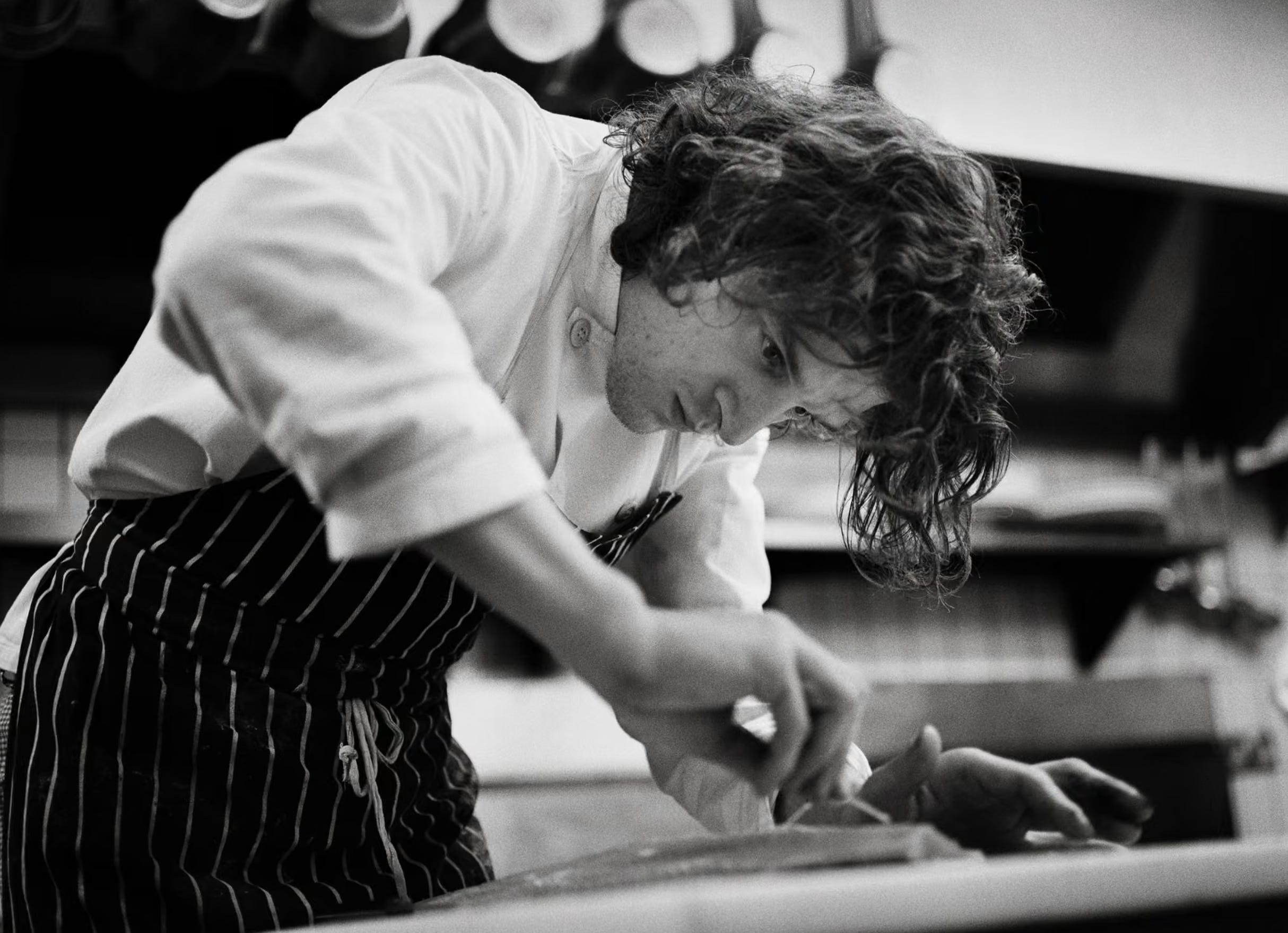
Marco Pierre White earned three Michelin stars at 33, making him the youngest chef in the world to do so at the time. In 1999 he retired from the kitchen, returning all three stars to the guide, the first chef in history to do so. His reasoning was simple: he’d spent years cooking for inspectors rather than for himself, and somewhere along the way the restaurant had stopped feeling like his.

Sébastien Bras told Michelin in 2017 that he wanted out. His restaurant Le Suquet, in the rural Aubrac region of southern France, had held three stars for eighteen years. The pressure of maintaining them, he said, had become incompatible with the kind of cooking he actually wanted to do, every one of the 500 meals that left his kitchen each day a potential inspection. Michelin obliged and removed Le Suquet from the guide entirely. Two years later, inspectors returned and reinstated it with two stars anyway. The guide, it turns out, is not an opt-in or out system. Bras shared that he no longer worried about the stars or the strategies of the guide. The restaurant was still his, the guide had just decided it couldn’t quite let go.
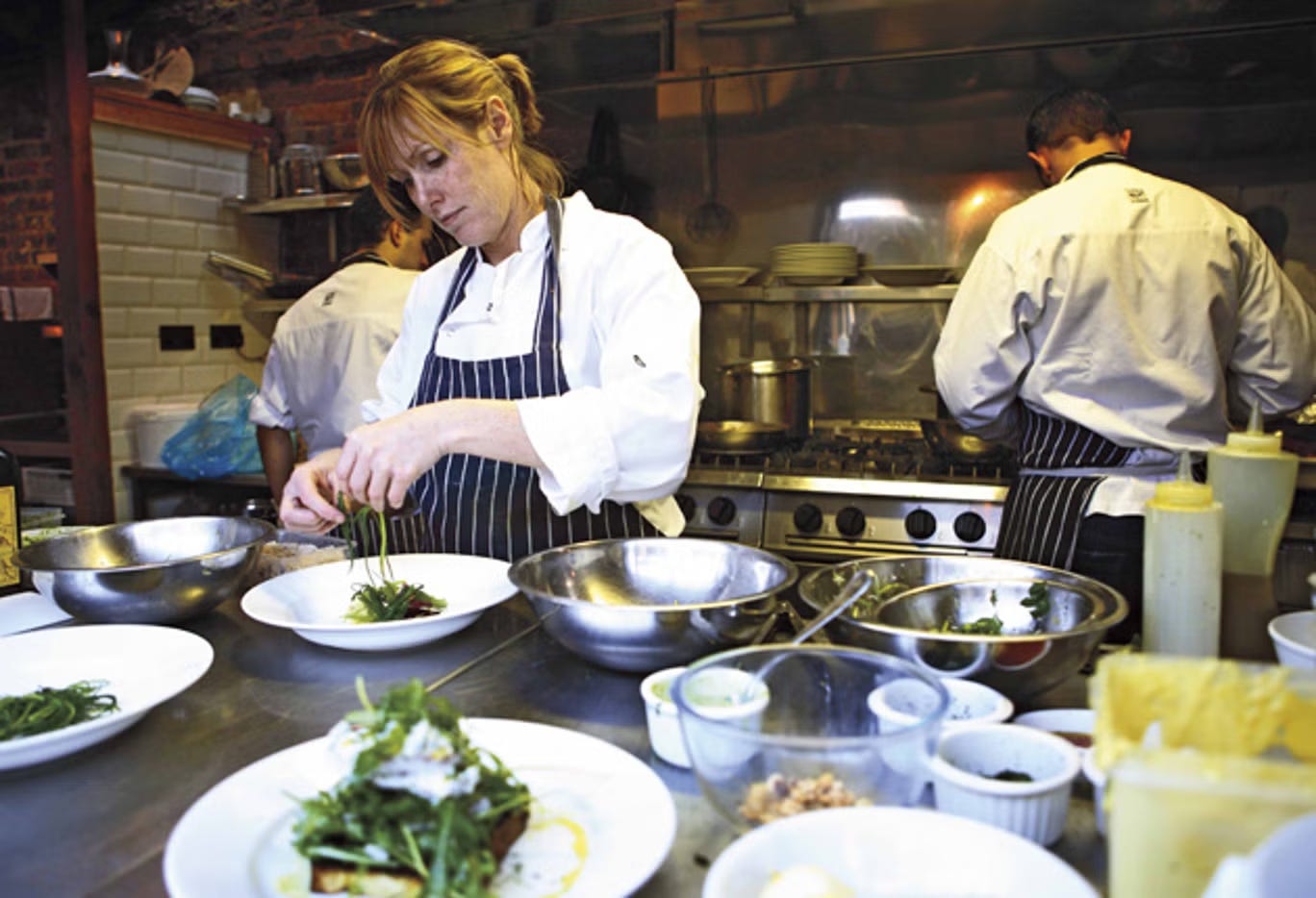
The late Skye Gyngell’s experience at Petersham Nurseries in Richmond tells a different version of the same story. When the restaurant received a star, Gyngell called it a curse. She said Petersham was never built for the expectations a star brings. There were no tablecloths, no formal service, bare earth underfoot. The star brought a new kind of diner through the door, one who arrived with complaints rather than curiosity. In 2011 the restaurant asked to have it removed. Gyngell said she hoped never to earn one again.
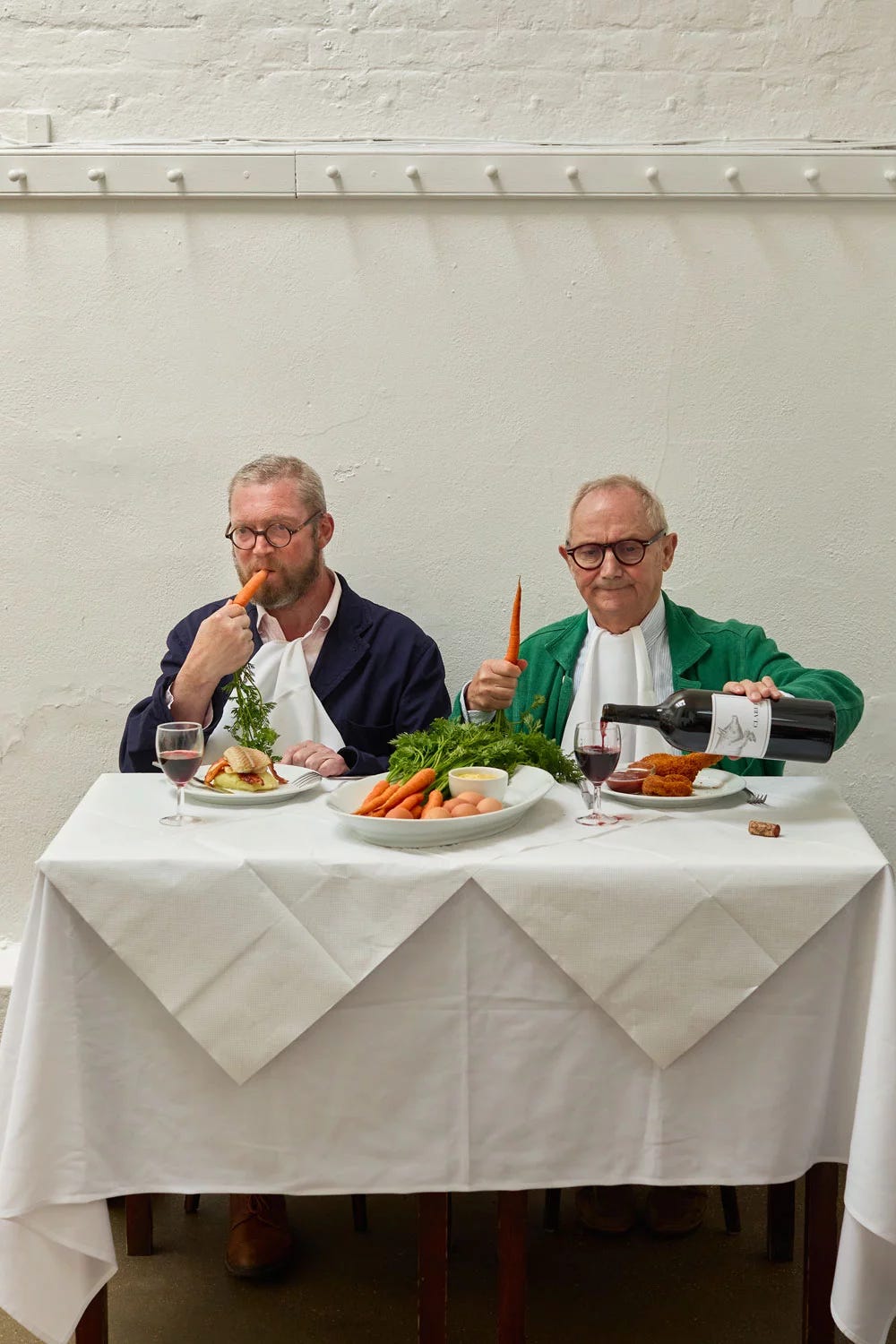
What makes each of these stories fascinating is the same thing. A Michelin star is a lifetime achievement for most chefs. Restaurants are built around earning one, menus engineered, kitchens staffed, services rehearsed with that single outcome in mind. These chefs had it, and walked away. Not because the food wasn’t good enough, but because the star had changed something about the restaurant they hadn’t agreed to change.
Then there’s a third category entirely. Restaurants whose ambition was never organised around the star in the first place. Not restaurants that rejected the institution, but restaurants that were never in conversation with it.

Ducksoup in Soho is a very clear London example. The menu changes based on what the kitchen feels like cooking. The wine list evolves daily. The room is small, unhurried, entirely unbothered. There is no framework here that Michelin could benchmark against a return visit, because the whole point of Ducksoup is that it will be different next time. That’s not a flaw in the model, that is the model.
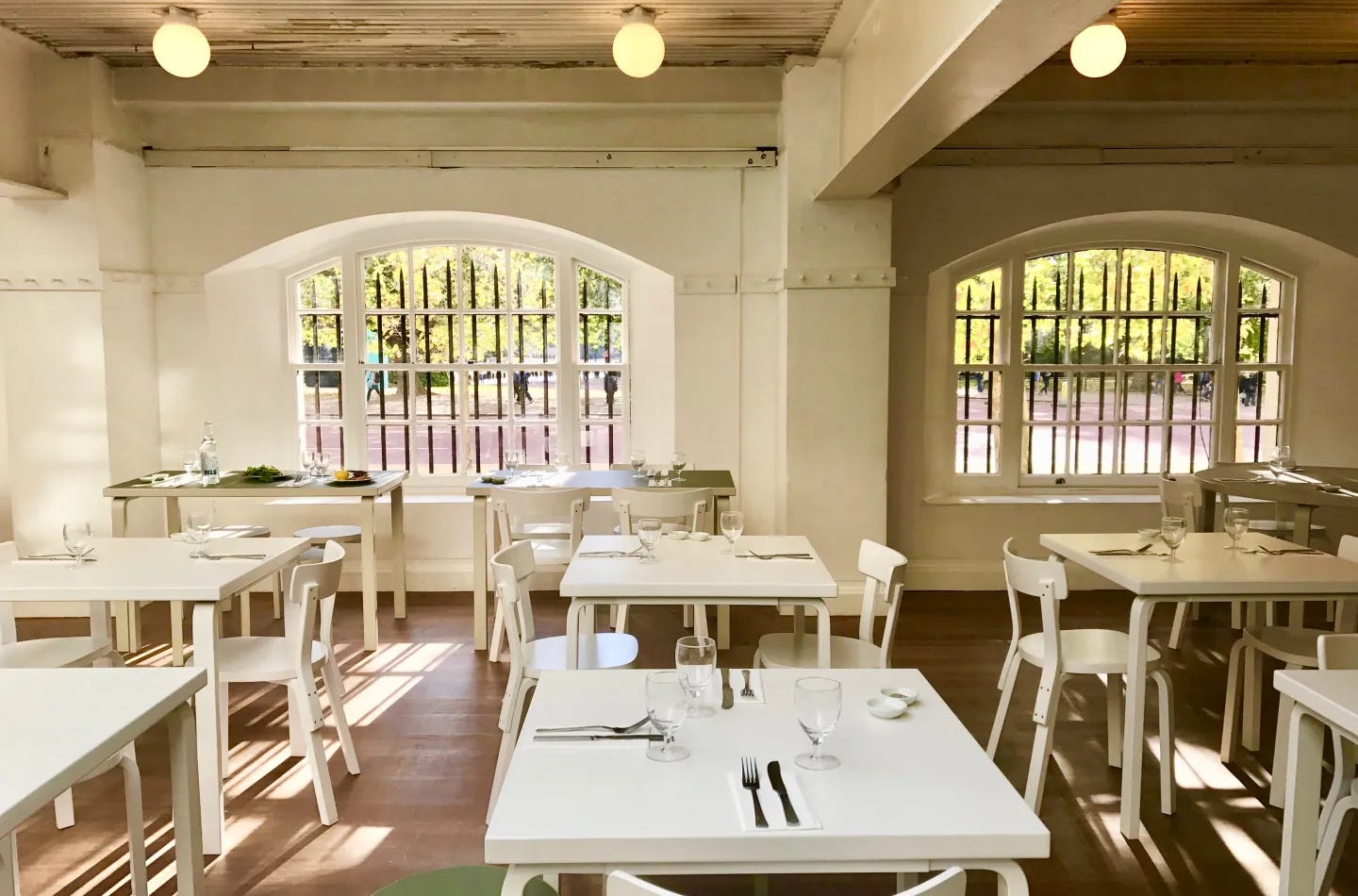
Rochelle Canteen operates on the same logic. Farm to table, rigorously seasonal, cooked with soul in a room that has no interest in impressing you. Margot Henderson has built something that resists the kind of eligibility the guide requires, not out of indifference to quality, but because the quality lives in a register the star was never designed to reach.
So why does this matter? Because it changes how you think about the restaurants you already love.
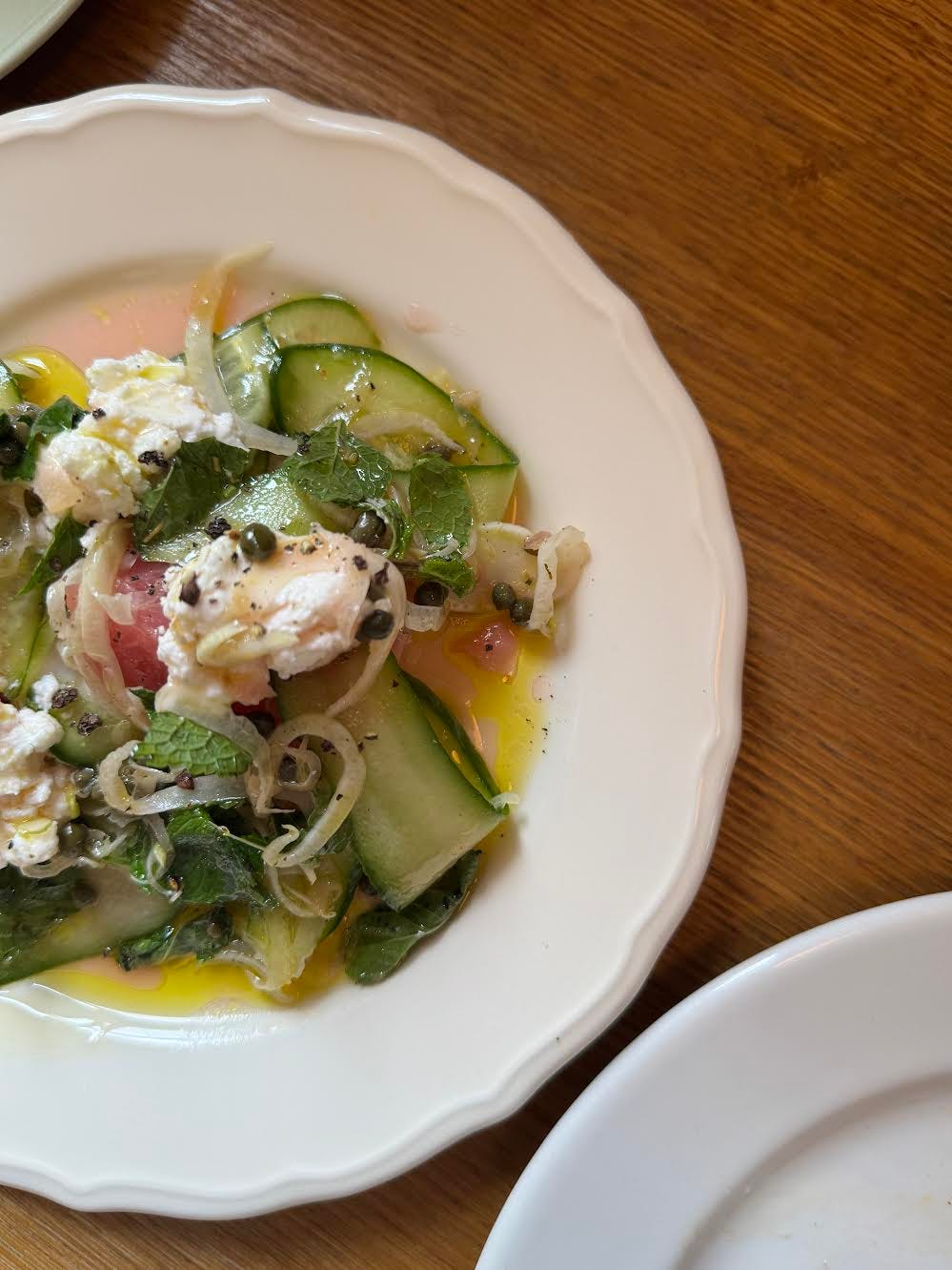
I love exploring my way through a Michelin starred tasting menu with as much enthusiasm as anyone. But some of my favourite evenings have been in rooms the guide will never fully reach. Emilia in Devon, which we visited last year, is one of them. A Bib Gourmand, Michelin’s recognition for exceptional value, but not a star, and almost certainly never will be. The kitchen rotates around whatever ingredients are available. The dishes have the kind of soul that comes from a kitchen cooking exactly what it wants to cook. The room feels like somewhere that exists entirely for itself, not for an inspector who might walk through the door.
After spending time thinking about Henderson, White, Bras and Gyngell, I find myself looking at Emilia differently. Not as a restaurant that hasn’t earned a star. As a restaurant that was never in that conversation, and is better for it.
Next time you sit down in a room without a star, it’s worth asking which category it falls into. Is this a kitchen still building toward the guide’s recognition? Or is it somewhere that has quietly decided the conversation was never theirs to have, that the soul of the room, the freedom of the menu, the feeling of the evening was worth more than the validation? Often, it’s those kitchens that produce the most interesting food, not despite the absence of a star, because of it.
Loved this read!!
This was so interesting! Well done 👏