


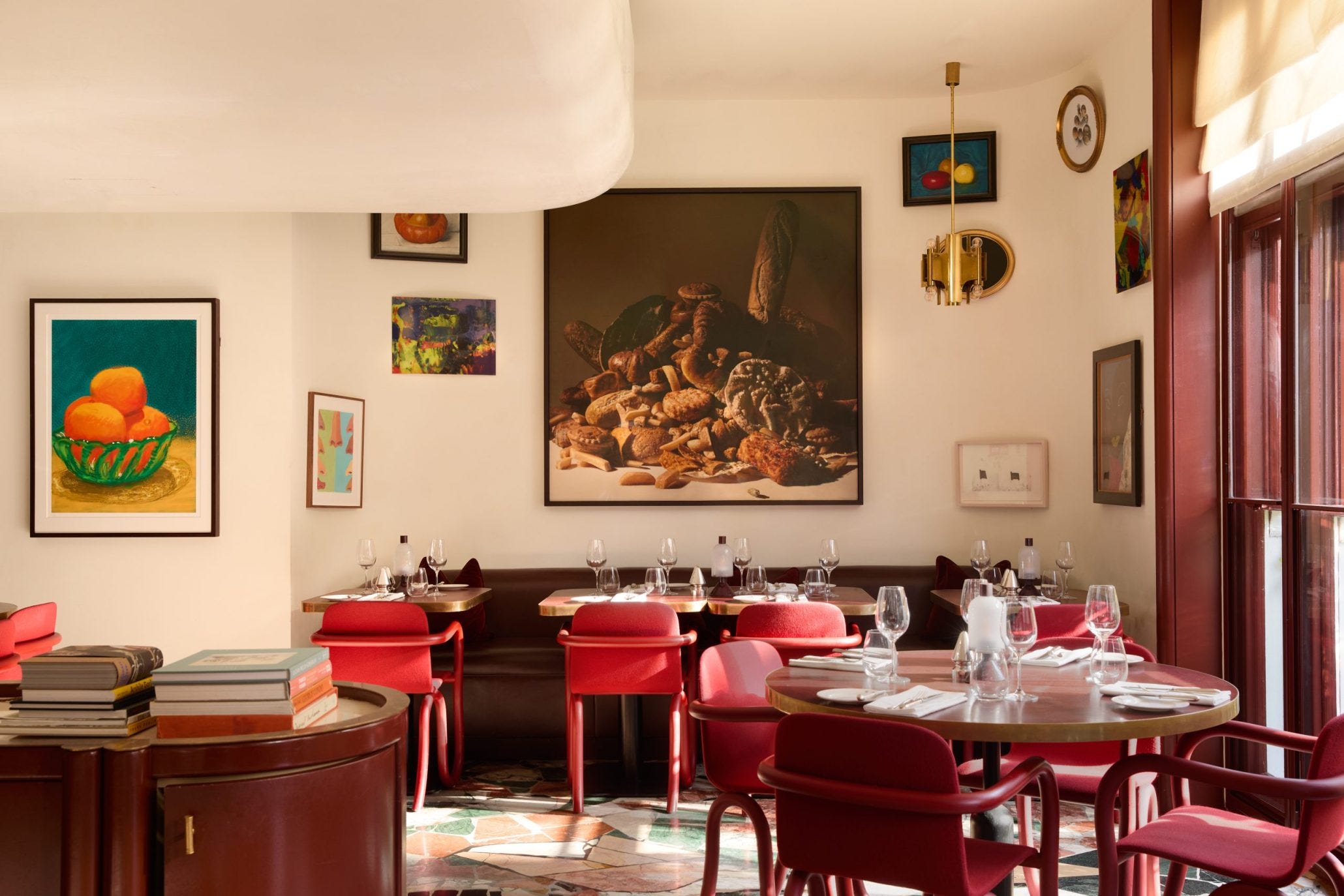
Last year I spent my birthday at Mount St. Restaurant with a few girlfriends. We ordered, we caught up, we laughed through starters and mains and another bottle of wine.
The dining room fills slowly, then all at once. The room is considered and beautiful, with masterpieces speckling the walls: a Matisse, a Freud, a Warhol. But the art isn’t the point of the restaurant. It’s just dinner, with masterpieces on the walls that nobody was performing any feelings about.
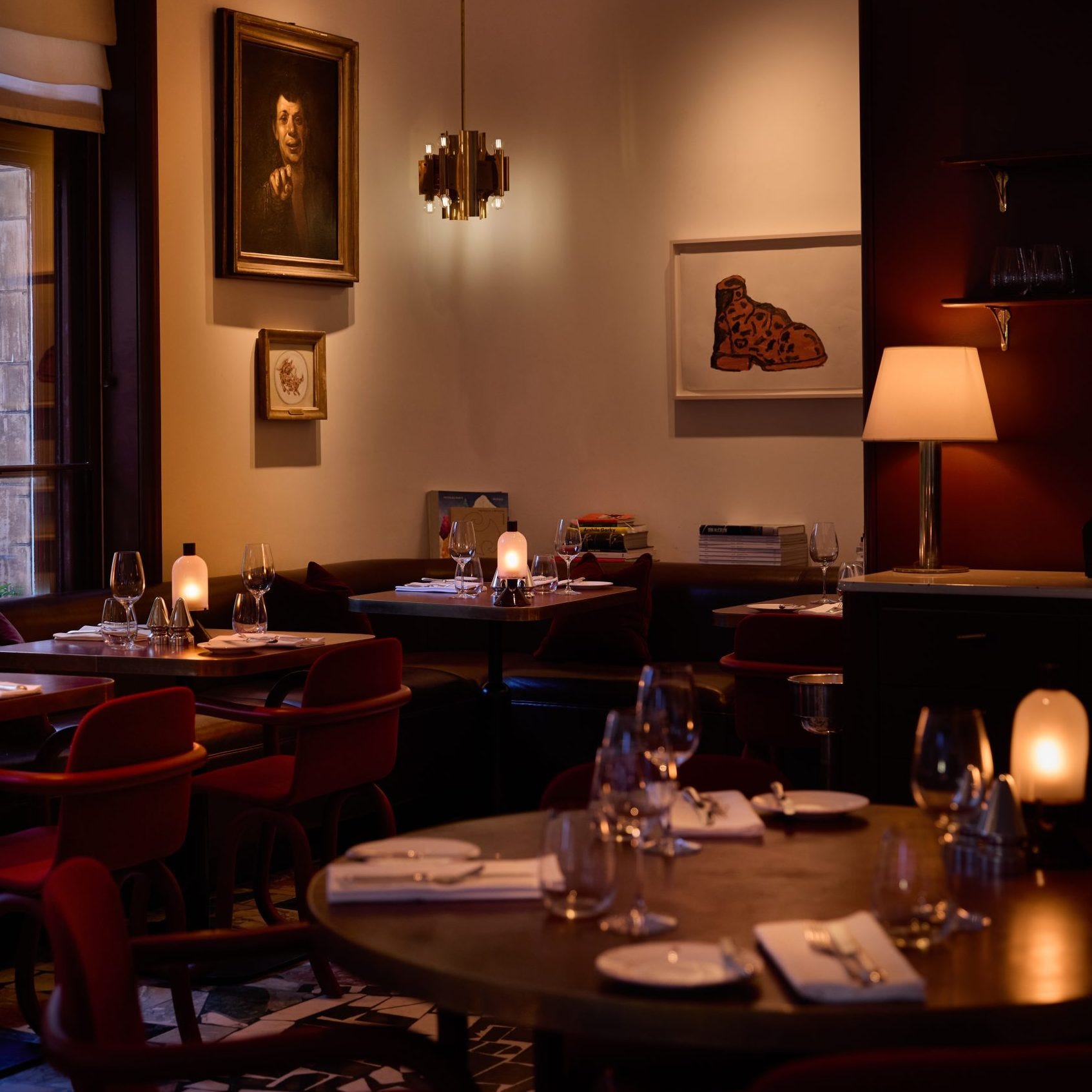
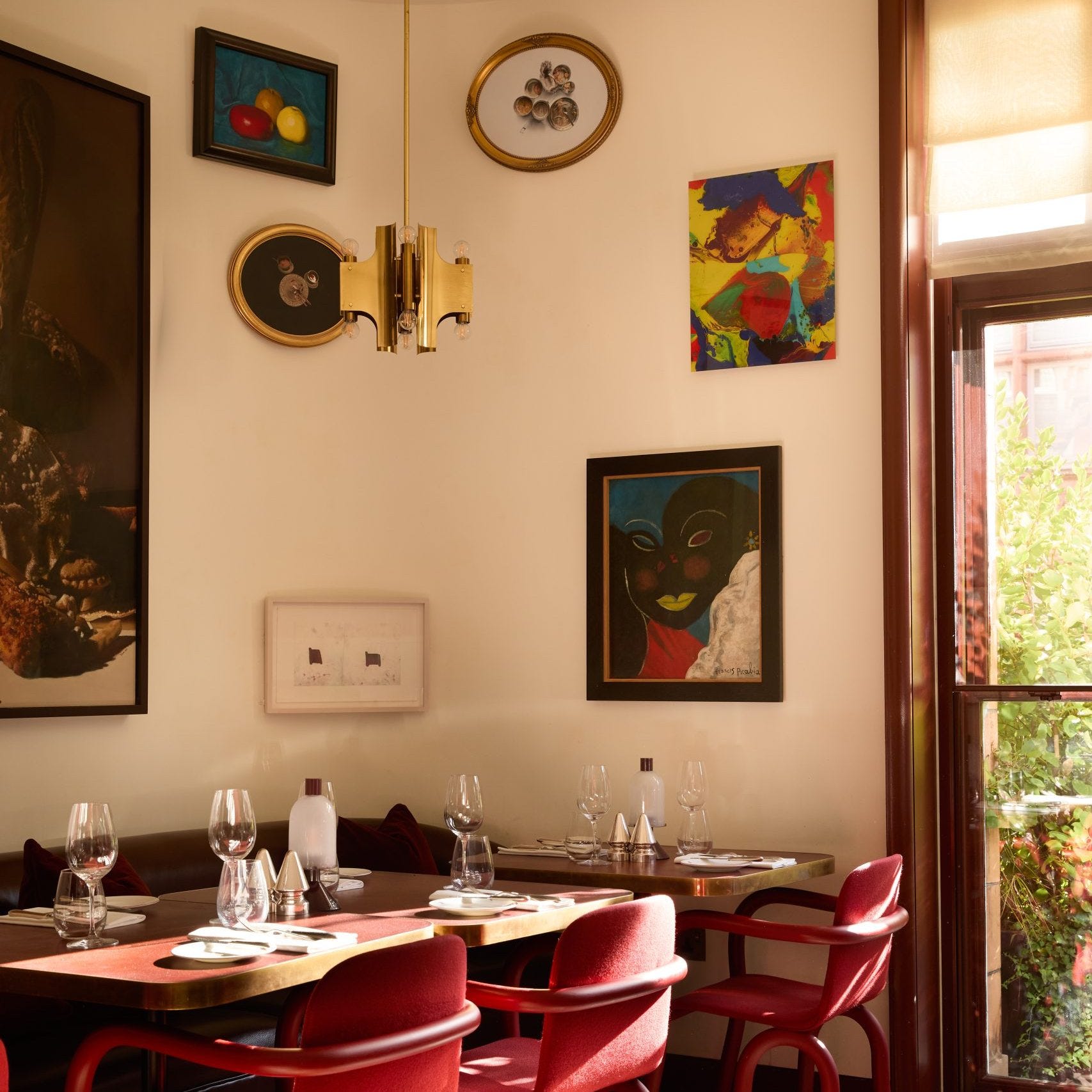
In any other circumstance, the only place you’d encounter work like that is a museum. White walls, hushed rooms, with a security guard watching over you, but I don’t think art was made to be experienced like that. Mount St. Restaurant is one of the very few places I’ve been where it doesn’t.
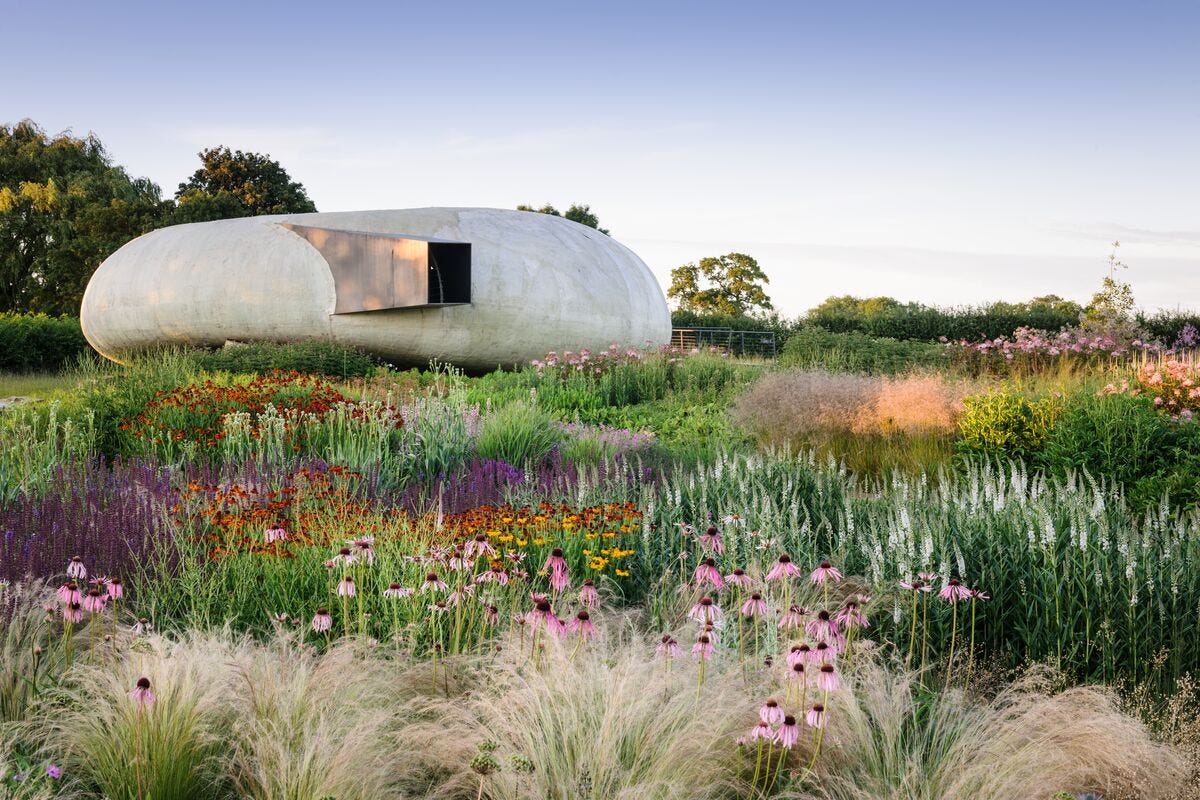
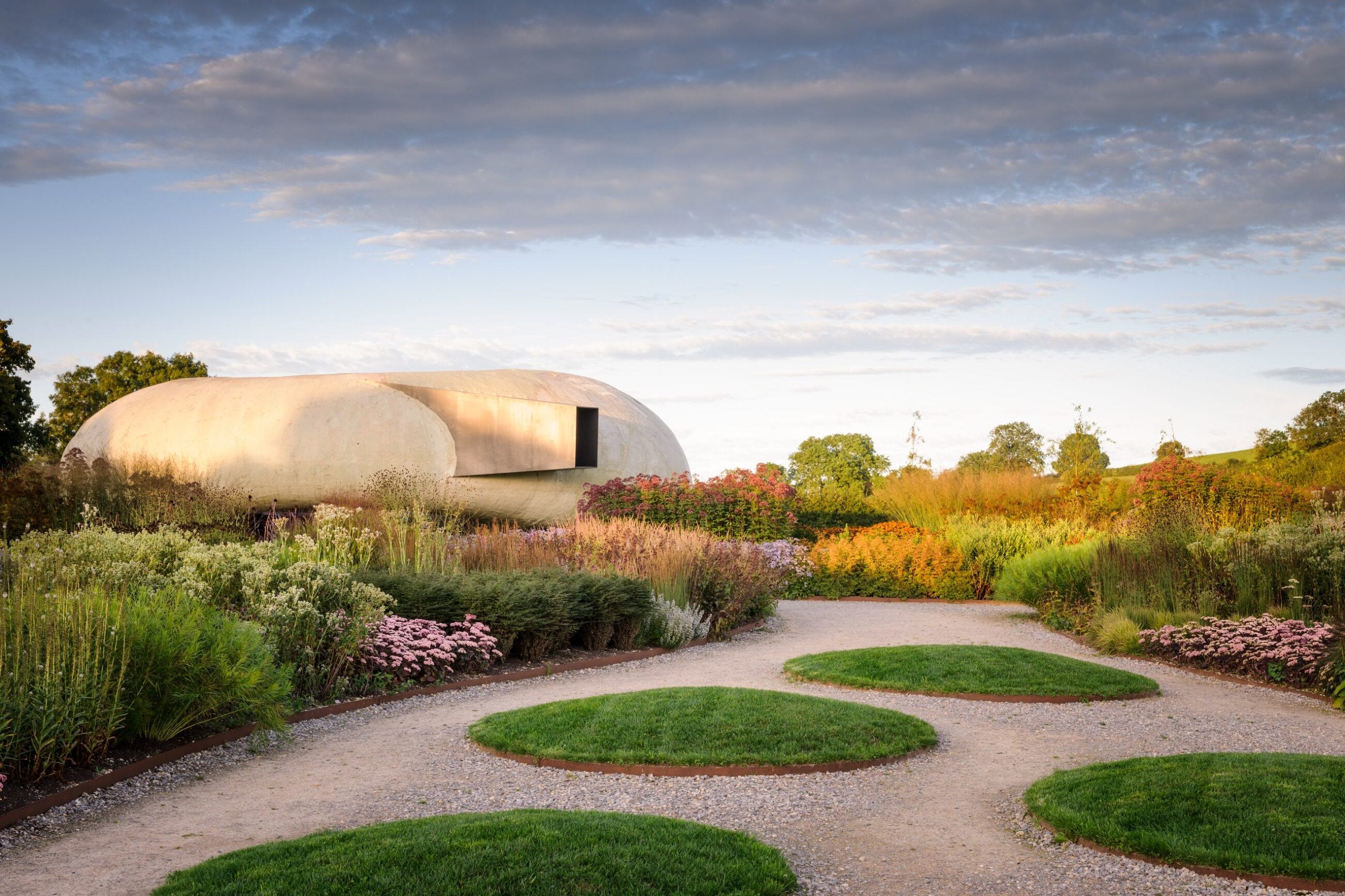
In April, James and I booked a trip to Somerset, planned entirely around the food. Bruton had been on the list for a while and Hauser & Wirth was a five minute walk from our hotel, so naturally a visit was on the list. What I didn’t fully appreciate until I arrived was the scale of what sits on that quiet working Somerset farm…. we stayed much longer than we planned.
A few weeks later, I was in Menorca with some friends and we nearly made it to Hauser & Wirth’s Menorca gallery. The weather had other ideas, but the near miss did something useful. It made me look properly at Hauser & Wirth and the broader hospitality group, Artfarm. What I found was much more interesting than expected.
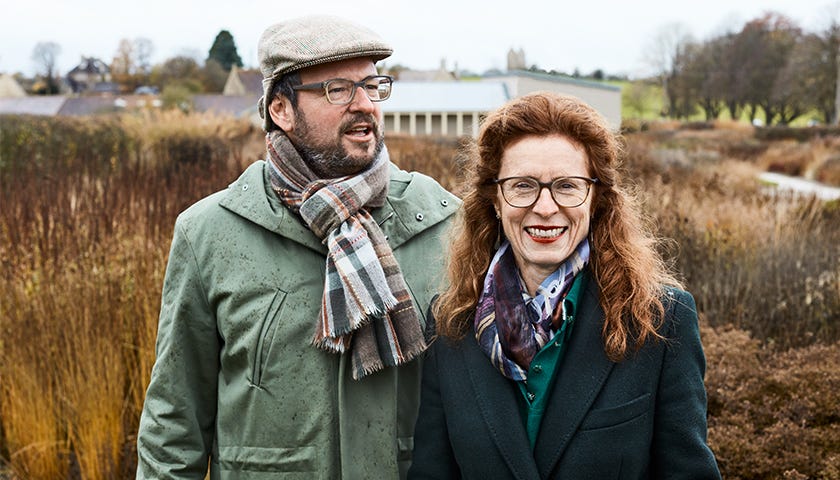
Hauser & Wirth and Artfarm share the same owners, Iwan & Manuela Wirth. Thirteen properties across Scotland, Somerset, London, Menorca, Los Angeles, New York and Switzerland. Hotels, restaurants, pubs, farm shops, a members club. Not a gallery that got into hospitality, but a fully formed world, built around a single conviction about what a room should feel like. Several of them were places I’d been going to in London for years without ever realising they were part of the same world.
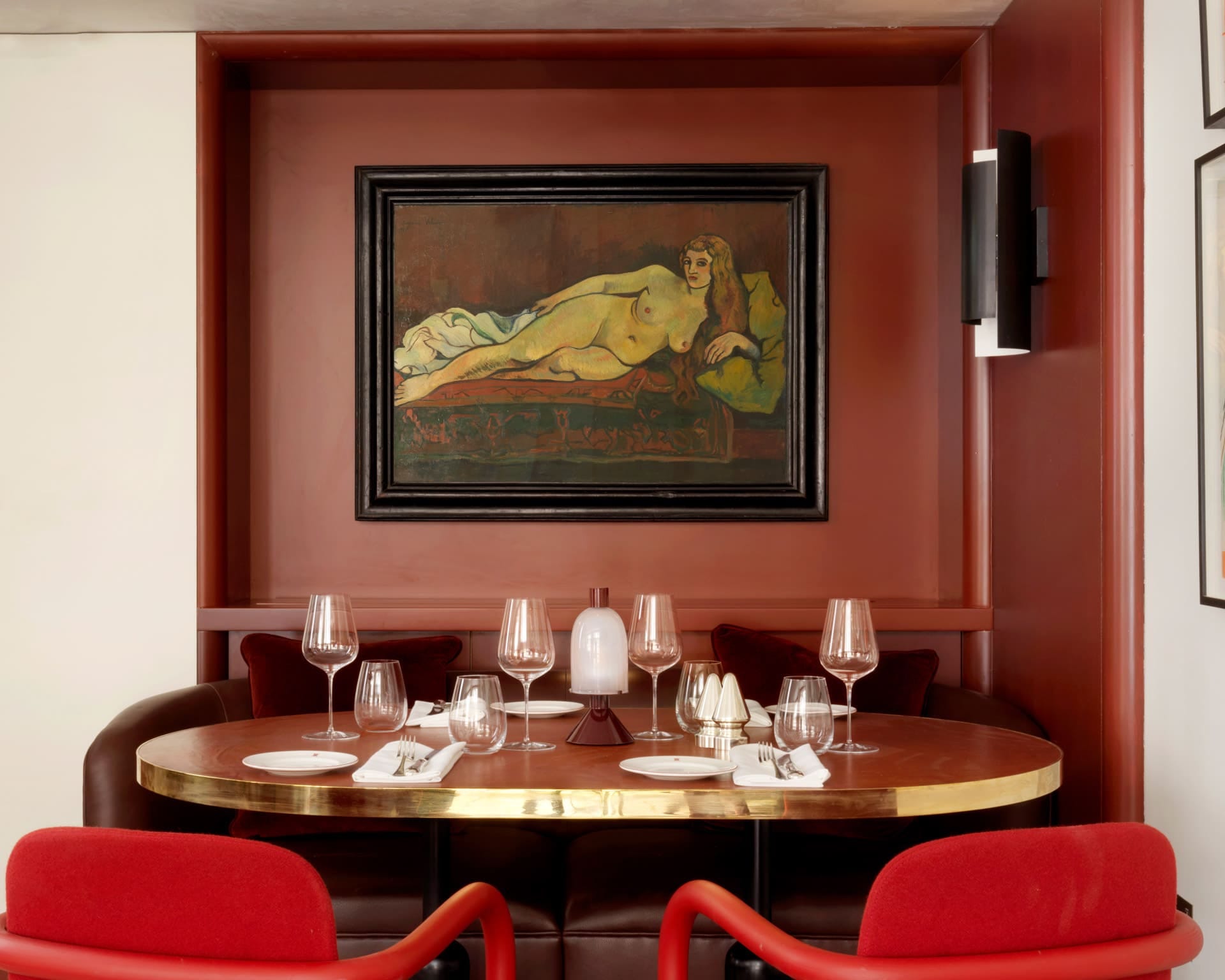
Mount St. Restaurant is probably one of the chicest dining rooms in London. One of the few places where you can eat steak tartare next to a Warhol. I’d been more than once and never thought to ask why the art was that serious. I assumed some kind of partnership. A curator brought in to make the walls feel considered. It didn’t occur to me that the restaurant and the gallery were the same organisation. That the people deciding what hung on those walls were the same people deciding on the light, the linen, the whole register of the room.
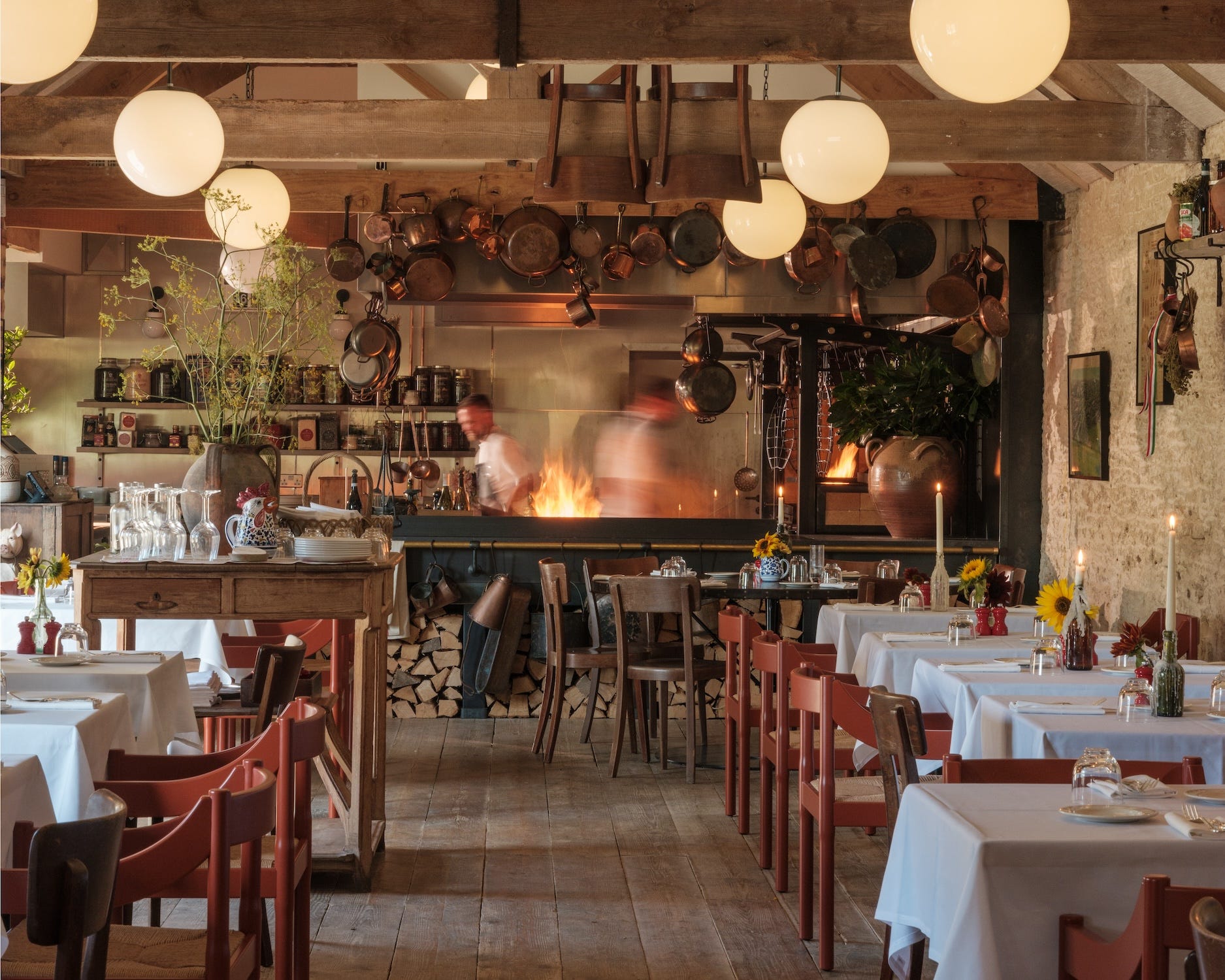
Da Costa in Bruton is the other end of the spectrum. Sitting on Durslade Farm, owned by Artfarm, it’s warm, unhurried, food that feels like it came from outside the window because it did, the farm is right there. The art sits differently too, its quieter, more woven into the walls than displayed on them. And yet you’re in the same world, the same underlying argument about what a space should do for the person inside it.
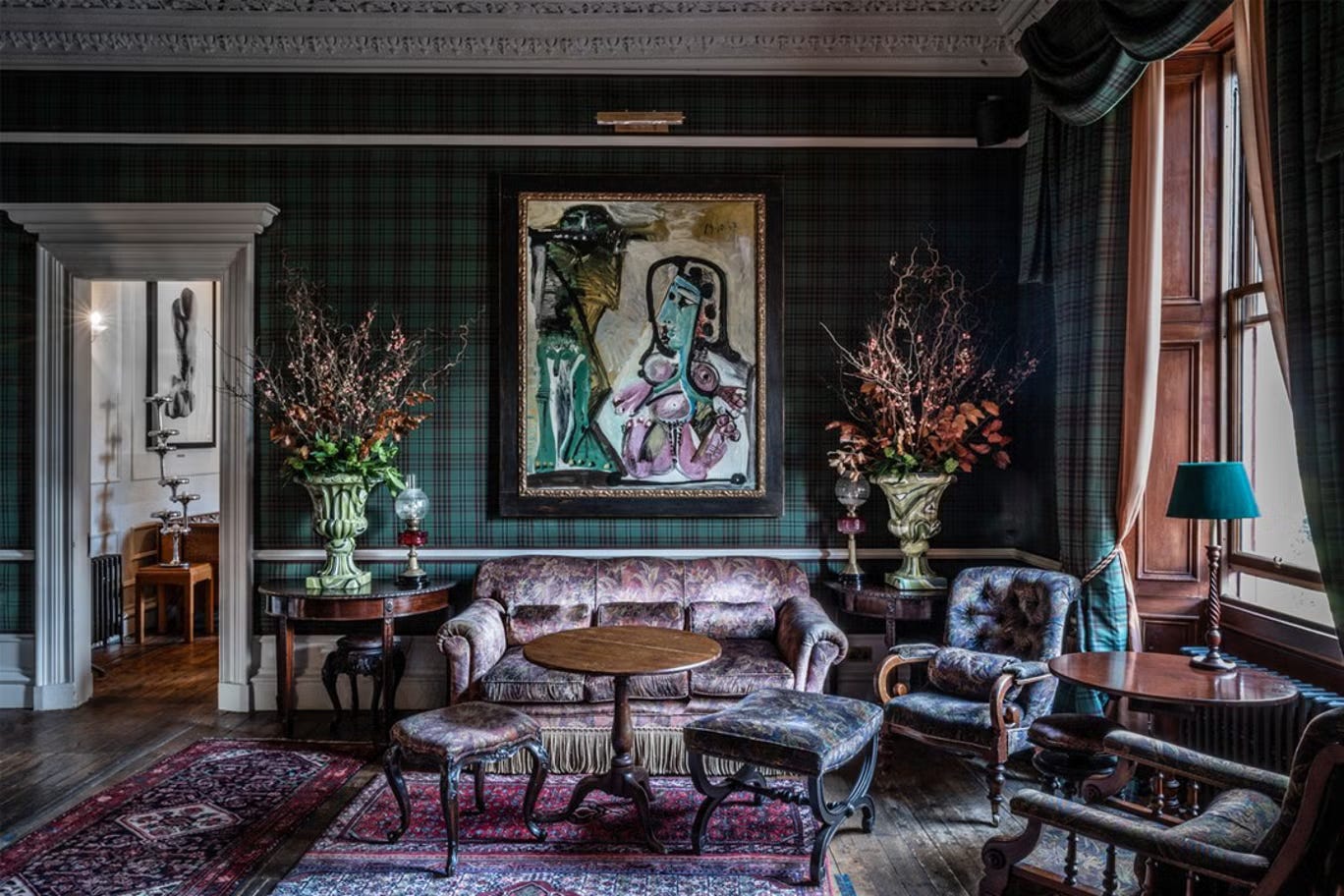
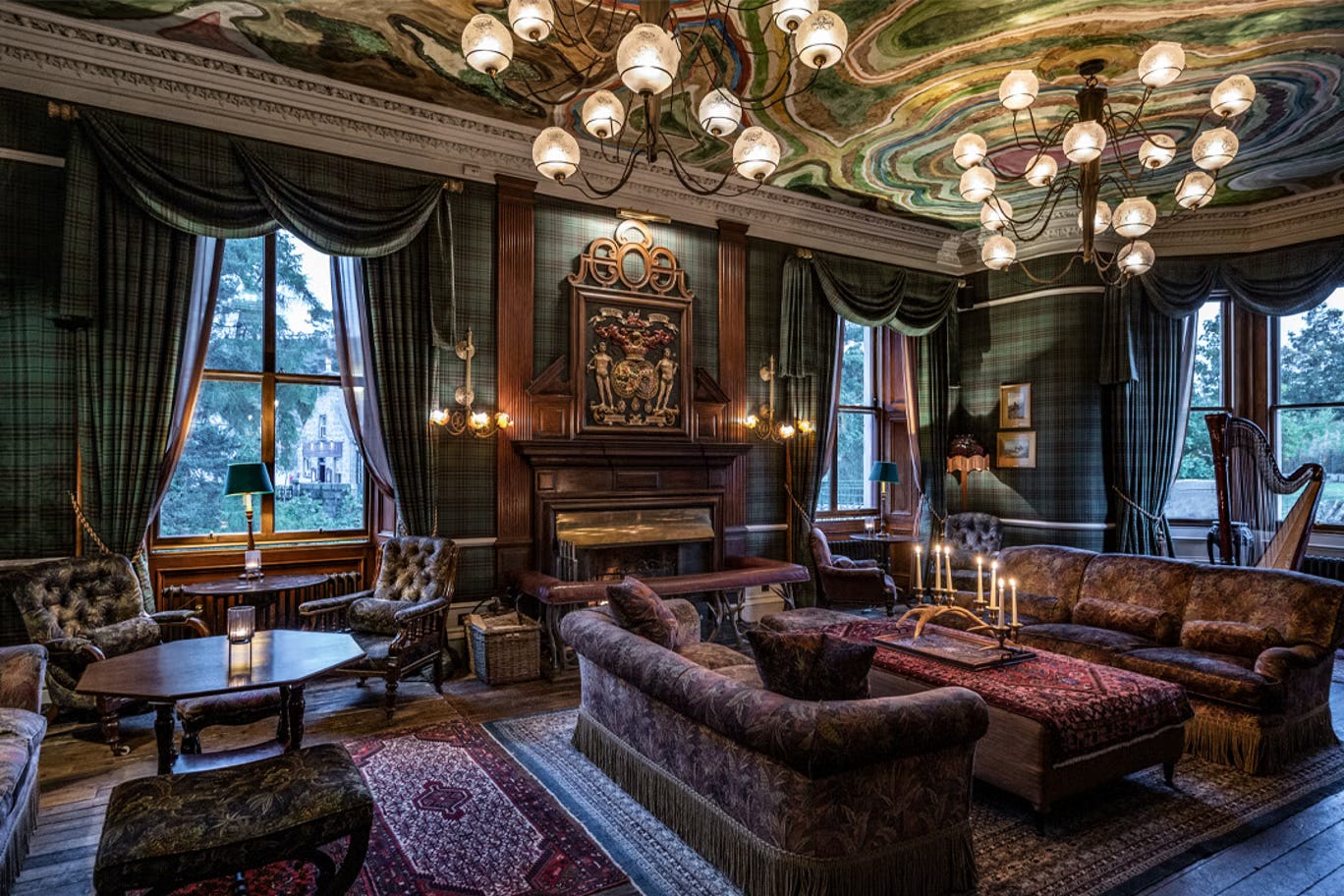
I haven’t been to the Fife Arms hotel yet, but the pictures alone make the argument: masterpieces throughout, not in a dedicated gallery wing but in every room you move through. You have breakfast with the art, you sleep alongside it.
What’s striking is the range of formats. A pub in Mayfair, a restaurant on a working farm, a farm shop, a hotel in the Scottish Highlands, a private members club in Soho. Artfarm isn’t bringing art to one type of space and asking you to come to it. They’re finding every context in which you might spend time, a long lunch, a weekend away, a Tuesday night drink, and making sure the art is already there when you arrive.
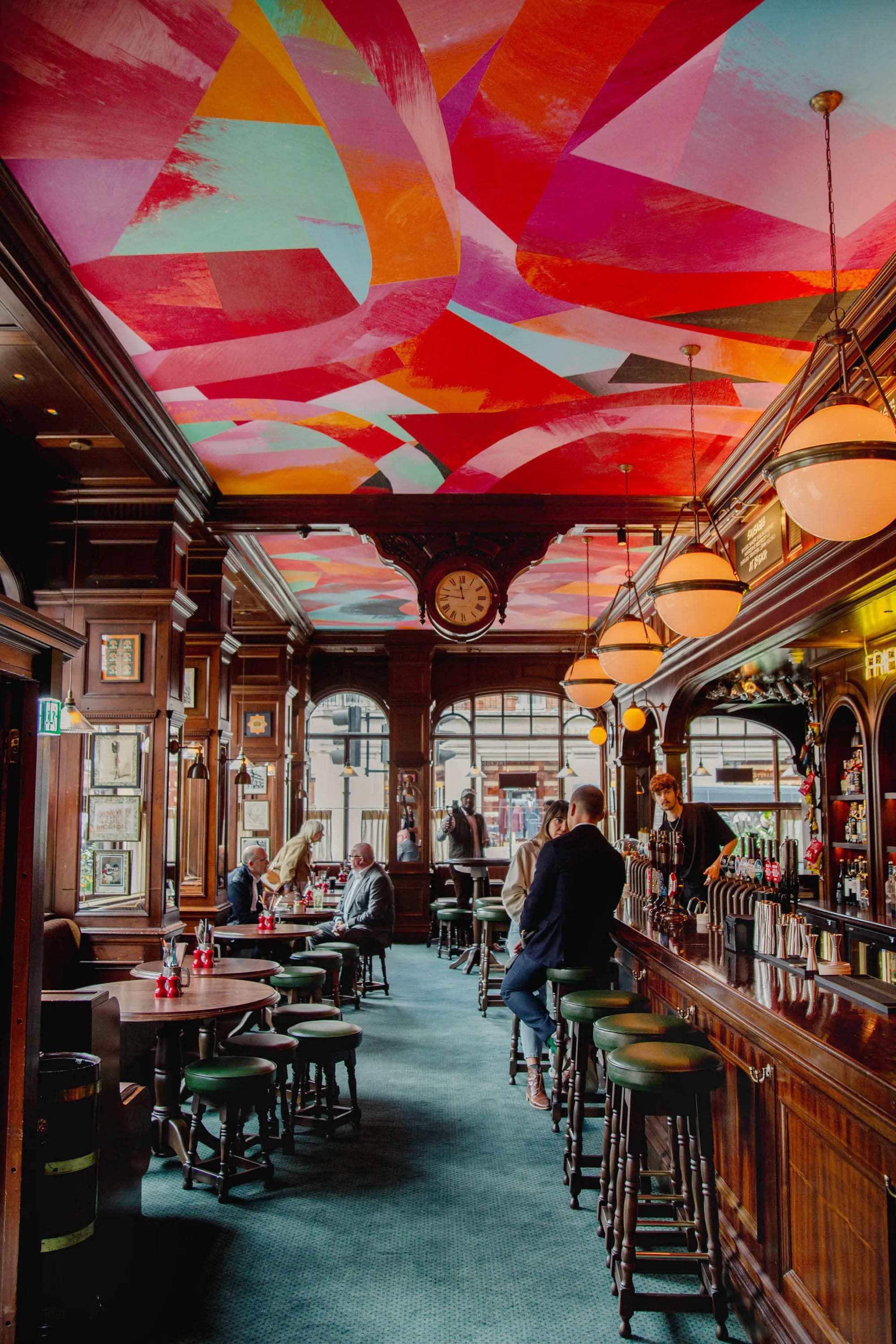
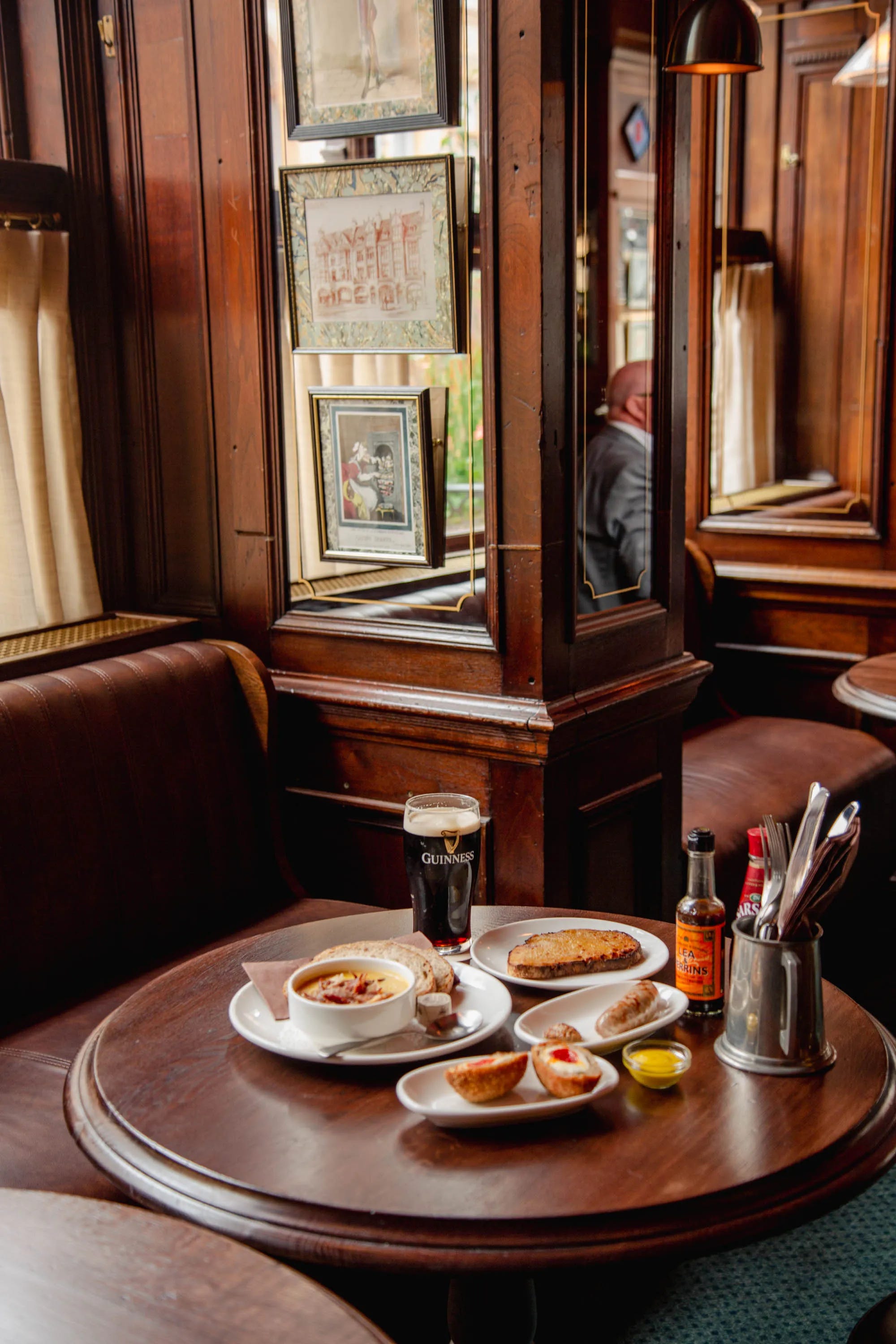
The easy word for all of this is democratisation. But I don’t think that’s right. Art isn’t withheld from people… museums are free and galleries are open. What Artfarm is doing is something subtler. They’re removing the formality of the encounter. You don’t go to see the art. You go for a birthday dinner, a long weekend near Balmoral, a lazy Sunday lunch, and the art is just there. Living alongside you, absorbed into an evening rather than observed as a focal point.
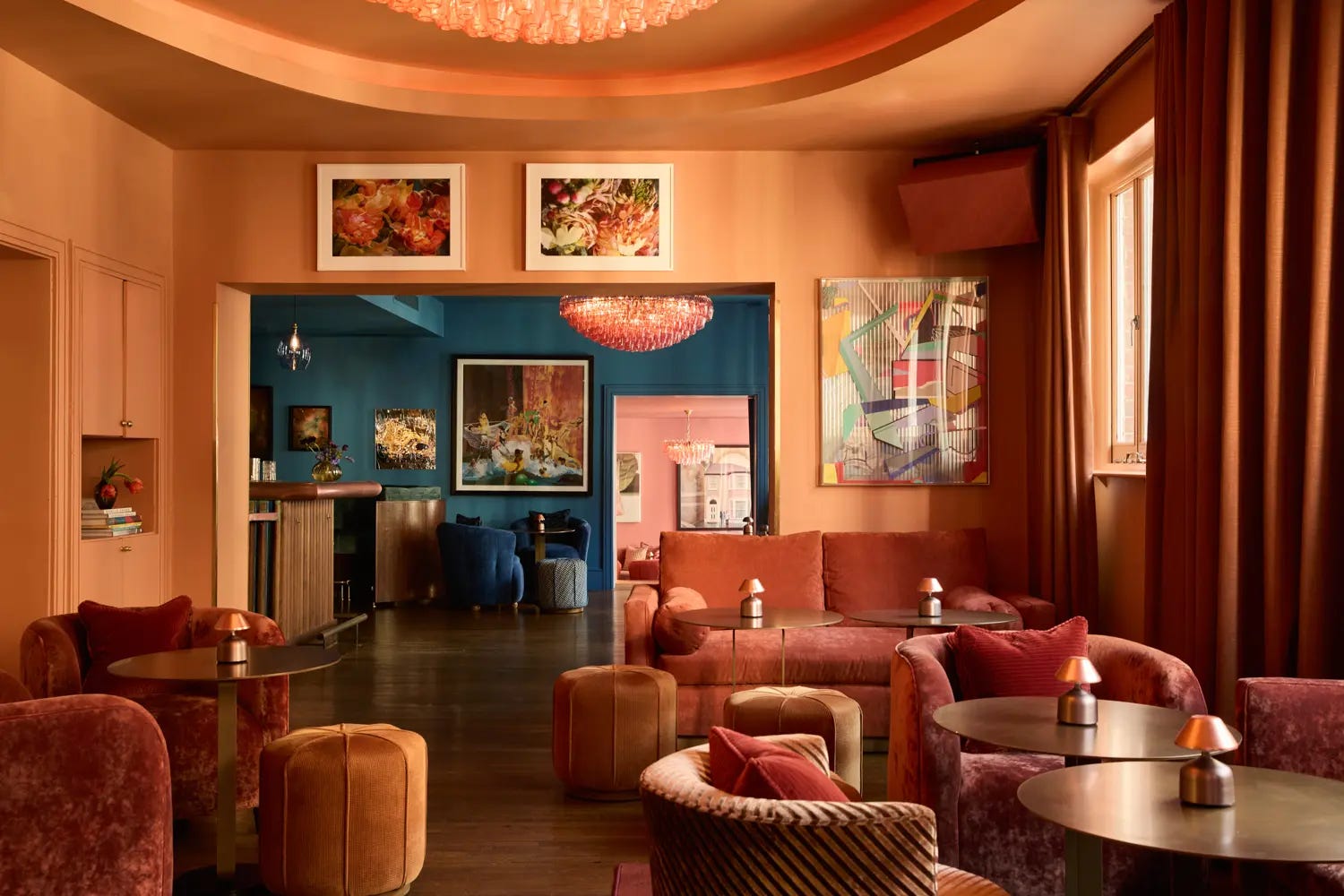
Maybe that’s closer to what the artist actually intended. Not a hushed room and a security guard. Not a focal point requiring a considered response. Just a beautiful object in a beautiful space, absorbed into an evening, part of the culture of the room rather than the point of it.
Which is probably closer to what the artist intended when the art was created, than a white wall and a hushed room ever was.
Artfarm Properties
United Kingdom
Mount St. Restaurant, Mayfair
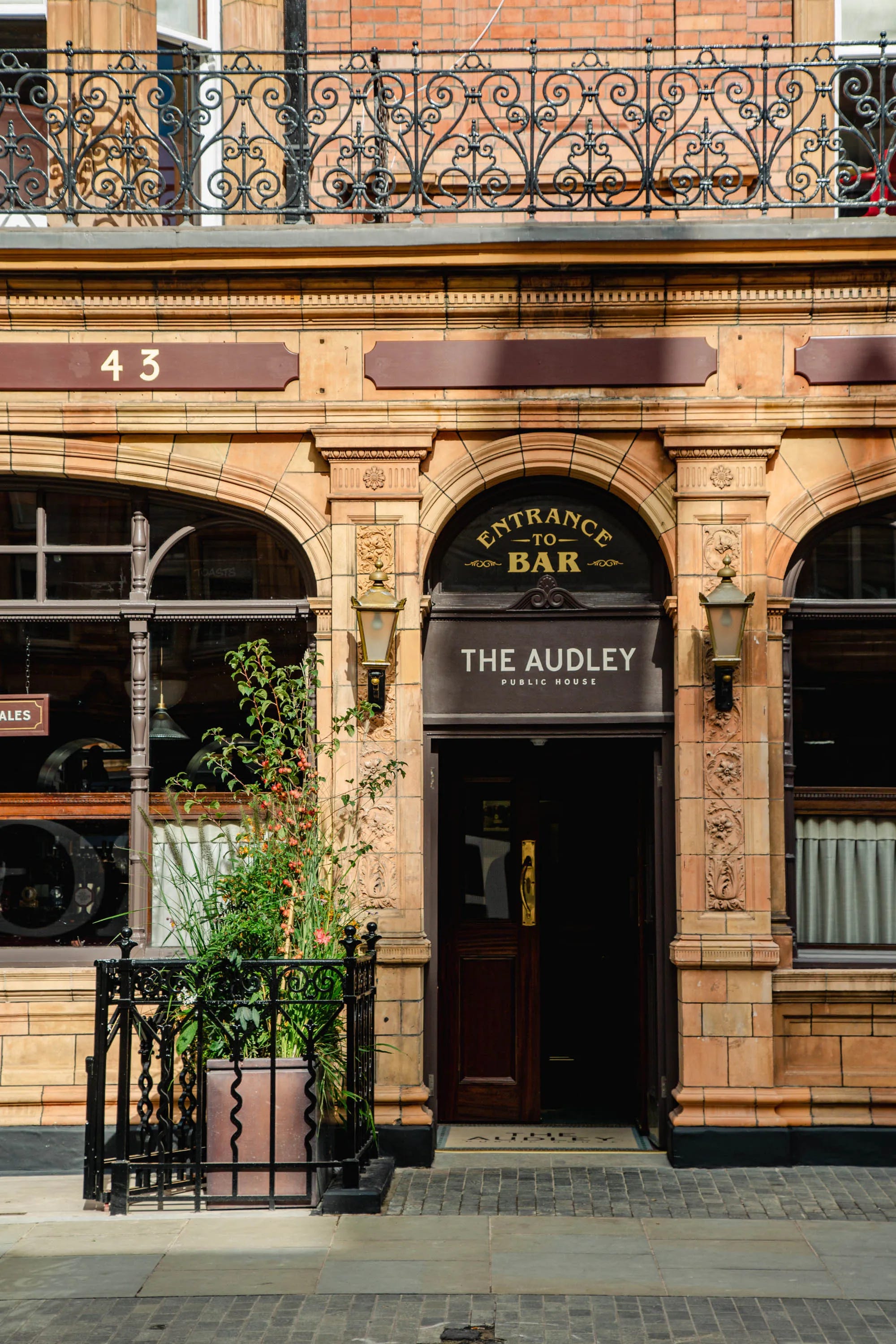
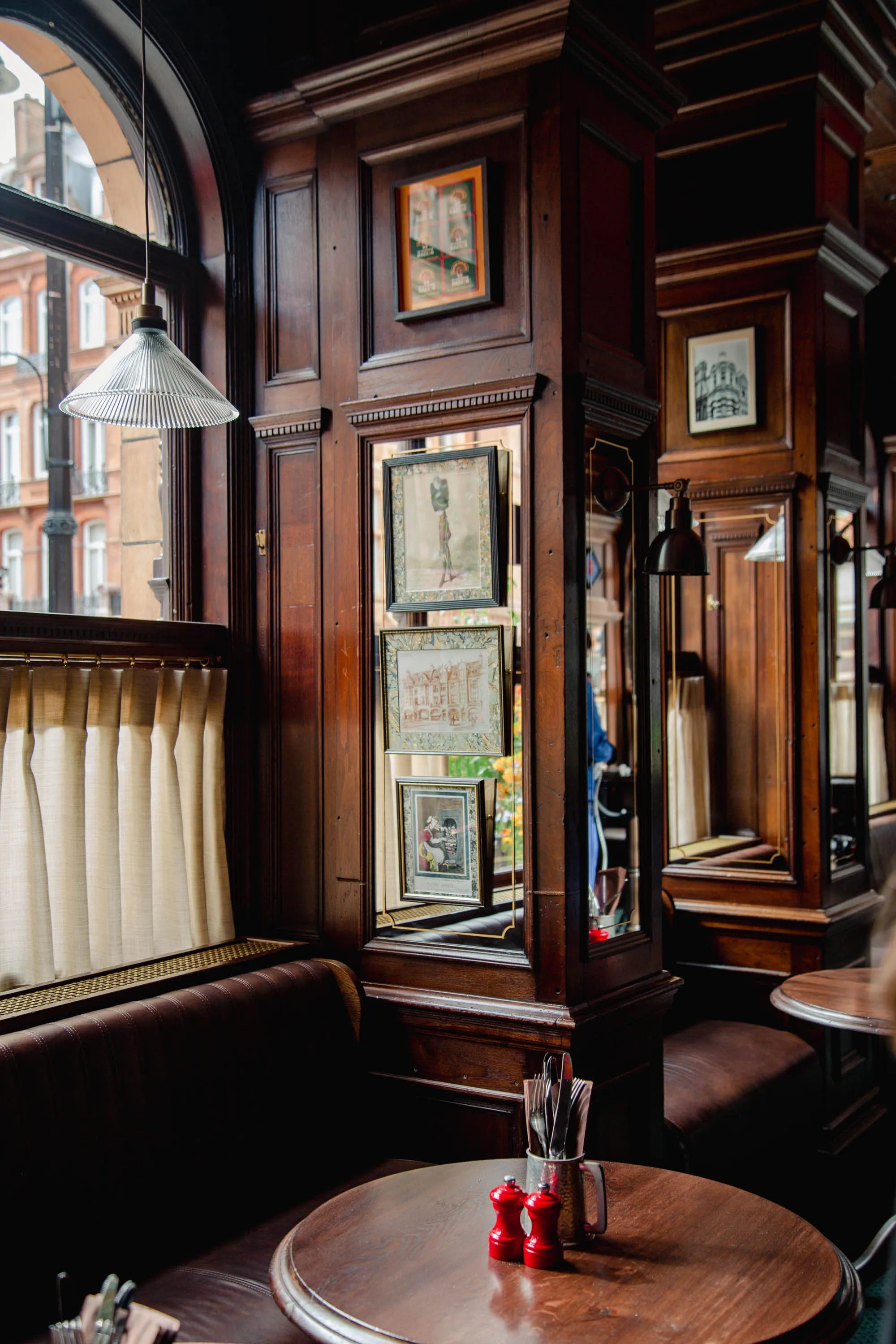
Audley Public House, Mayfair
Farm Shop, Mayfair
The Groucho Club, Soho
Da Costa, Bruton
Farm Shop, Bruton
Scotland
The Fife Arms Hotel, Braemar
Fish Shop, Ballater
Europe
Cantina, Menorca
Visit a Hauser & Wirth Gallery
UK:
Switzerland:
Spain:
Monaco & France:
United States:
ROW:
Table for Two lives at the intersection of food and culture, not simply recommendations, but a considered point of view on why dining matters, and where to find the best of London's table culture. If this piece resonated, please support us by subscribing.