


I hope everyone’s enjoying the last few weeks of summer. I’ve spent the past week on the Côte d’Azur for a much needed holiday, the first few days spent with one of my best friends, and then my husband flew out and hired a car and we’ve been road tripping and eating our way along the coast.
Earlier this week I had the opportunity to interview a former Michelin inspector for an upcoming Table for Two article. It was truly an eye opening conversation, I learned so much and I can’t wait to share it with you… more on that soon.
This might also be one of my most indulgent food weeks of the year. On Wednesday we got to try out chef Jan Hendrick van der Westhuzien’s restaurant JAN on the port of Nice (sensational!!!). Thursday we had lunch at La Colombe d’Or in Saint Paul de Vence, the spot where Picasso traded art for meals, and tonight we’re dining at World’s Best restaurant, Marizur, chef Mauro Colgreco’s top spot in Menton. We’ve been getting in lots of steps and swimming in the sea to balance it all out.
This week’s newsletter is inspired by the flurry of restaurants transporting between the major cities… but what happens to a restaurant’s charm when expansion becomes over saturation? I’m deep diving into the Major Food Group’s replication of Carbone (9 times over) and how this once elusive restaurant completely lost its magic for me.
Also inside: JAN and La Colombe d'Or from a week on the Côte d'Azur, the UK heatwave's effect on local sourcing, the VAT cut fight hits a wall, and London's first pizza tasting menu.
Carbone: When a restaurant’s expansion becomes brand dilution
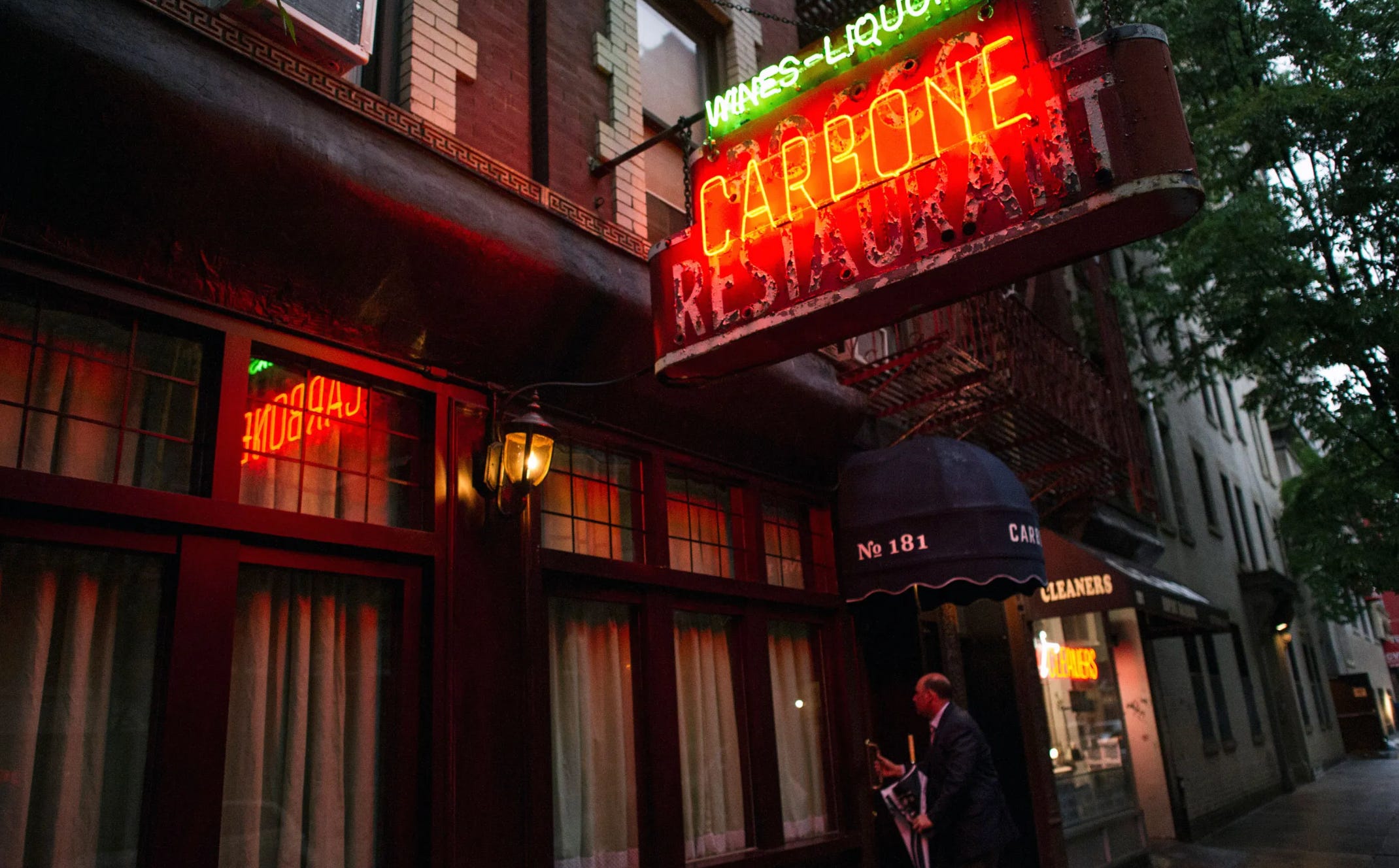
When I lived in New York, Carbone was the hardest table to get a reservation.
It was 2014. I was in my early twenties, scraping by in one of the most expensive cities in the world with neither the connections nor the understanding really of how to secure an impossible-to-book reservation.
I left New York without ever trying Carbone’s cult-like Spicy Rigatoni Vodka, and for years it was a dish that lived in my mind as a piece of New York never accessible to me.
Fast forward 11-years later, Carbone opened in London at the end of 2025. From Fulham to Knightsbridge its now a 20 minute cab ride away, and at the time of writing this, there are more than a dozen reservations available for this evening, including the coveted 8pm slot.
Carbone London has been open now for 9 months, and I still have never been and honestly, I don’t think I ever will. Not in London, not in New York, not at Carbone’s “Riviera” location (which, confusingly, is located in Vegas), and not in any of their other nearly dozen locations. The restaurant has completely lost its magic to me.
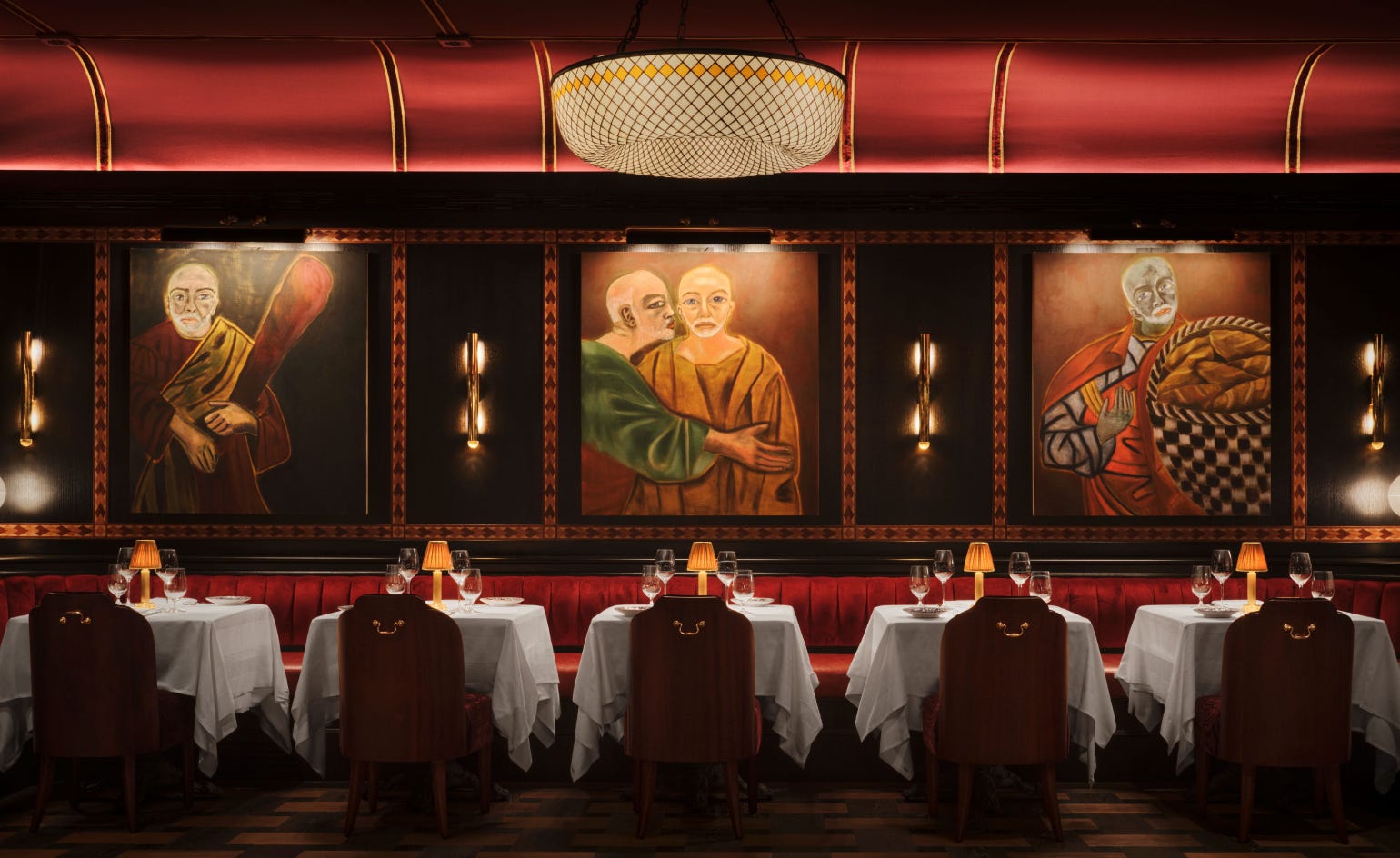
You might say its the surplus of inventory, more bookings up for grabs means less scarcity, and therefore less demand for the restaurant. But I don’t think it’s that alone.
Carbone in 2014 felt elusive, it felt aspirational, it felt like a piece of New York’s culture that belonged strictly to New York. The best table for eating New York Italian food, authentic to an Italian chef who grew up in the city.
Today you can dine at any of its locations, across six countries, and diners know the type of experience they’ll get regardless of booking a table in Hong Kong or Miami. It’s the same night out.
In 2022 Carbone’s Greenwich Village flagship lost the Michelin star it held onto for eight years. This was during the same stretch of time the brand opened Miami, Dallas, and Doha, three new cities in under two years, with Riyadh, Dubai and London still to come.
Michelin isn’t the only precise measurement of quality, but losing a star the same year you open three new cities is a hard coincidence to ignore. The restaurant became so focused on replicating the same room, the same menu, the same experience from one city to the next, it's hard not to read that as dilution.
For many restaurants losing a Michelin star would be a kiss of death. But losing the star had no baring on the New York restaurant’s popularity, and today it’s still difficult to book their Greenwich Village location.
That’s because Carbone’s customers are no longer booking for what’s on the menu. They’re booking for a guaranteed scene, that’s copied and pasted from one location to the next, where you know exactly what you’re getting no matter where in the world you’re visiting from.
But I don’t want to eat Italian food in New York, Hong Kong and Dallas where the menu is the same. The same Spicy Rigatoni Vodka that lived in my mind as aspirational New York, can now be ordered in Doha, Miami, Hong Kong, etc. I want a menu that feels unique and fresh, with ingredients that reflect where in the world I am.
I also value a restaurant’s capacity to surprise. The same menu, the same atmosphere, the same theatre across six countries and nine locations, cannot surprise anyone. And that’s not a failure of Carbone, that’s by their own design.
I listened to an episode of The Go To Food Podcast recently where Mario Carbone was asked about public perception of restaurant expansion, his response:
It is absolutely a taboo because I believe people see it as this product that if the owners are to make a profit and grow and build multiple units then for some reason we must also be cheating the customer and that’s just not true.
That’s not it at all. As a businessman I have a lot of respect for what he’s built with The Major Restaurant Group, and I’d gladly dine at Torrisi or The Grill.
But when a restaurant, in this case Carbone, takes the successful DNA of what’s worked in one neighbourhood and transplants it across the world, it dilutes the soul that makes dining out so special.
It also changes the type of customer and demographic it initially attracted with the restaurant that earned it its success in the first place.
Carbone certainly has a customer with international demand. There’s a customer delighted to pay for a guaranteed scene with a guaranteed menu.
But the restaurant that was once so elusive to me, has multiplied many times over, and therefore no longer exists.
Restaurants of the week
My holidays are always centred around food, and in the South of France we’ve been completely spoiled for choice. Every meal this past week has been fantastic but there have been two stand outs.
JAN, Nice
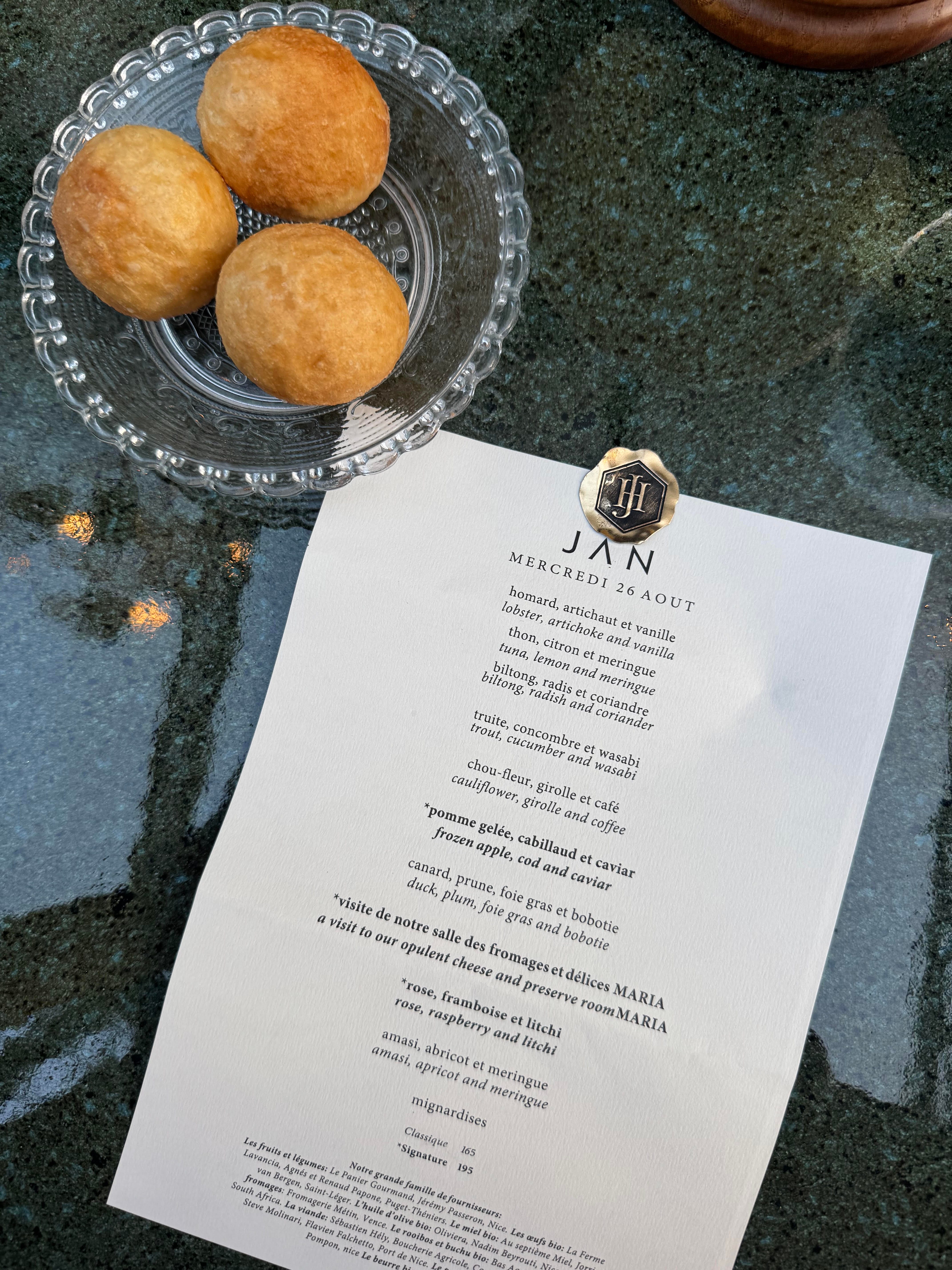
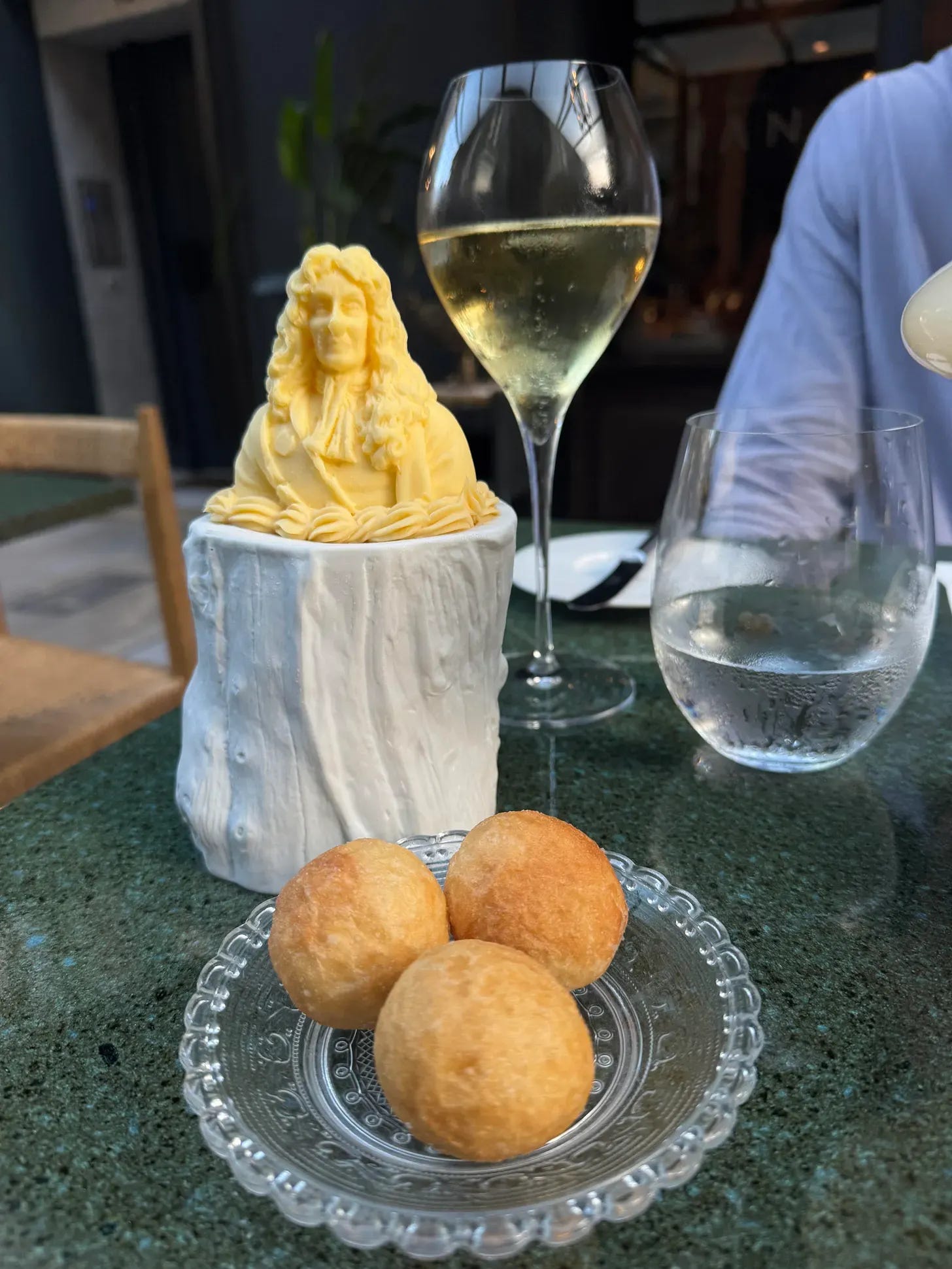
Jan Hendrik van der Westhuizen was the first South African chef to receive a Michelin star back in 2016 for his restaurant JAN in Nice. When we were researching our trip I kept stumbling on his spot in Nice, and it didn’t disappoint. The restaurant is French, but the kitchen draws on influence from their founders South African heritage. Every dish is injected with so much creativity and heart, from the butter course, sculpted as Jan van Riebeeck, with three types of butter: salted, cognac, and bannana and cinnamon. Through to the cheese course: a completely separate restaurant across the street where you build your plate from a table of 20+ cheeses. Each of the courses was executed to an immaculate standard, my husband and I agreed it’s the first tasting menu we’ve had this year where we simply cannot pick a stand out dish, they were all exceptional.
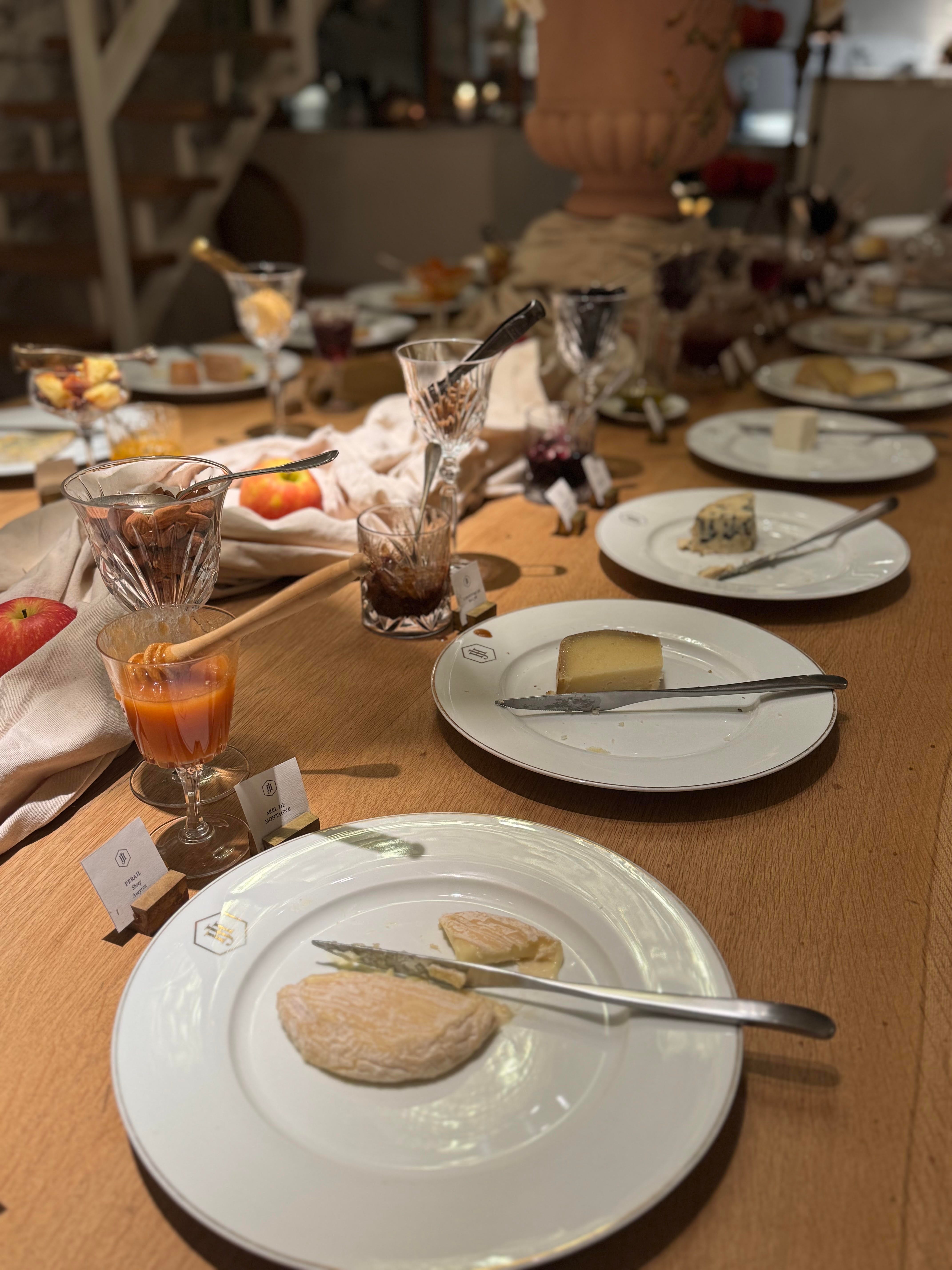
La Colombe d’Or, Saint Paul de Vence
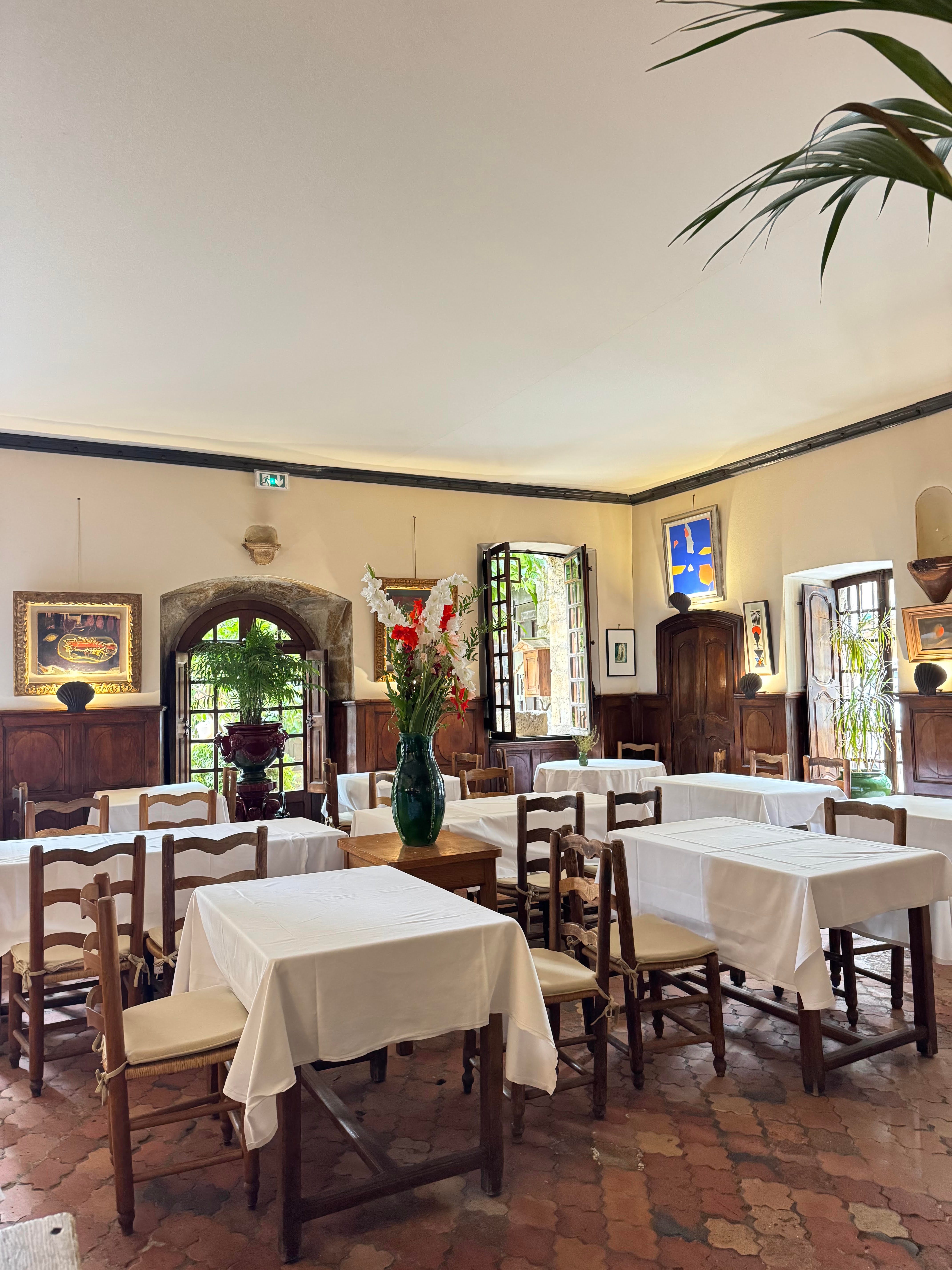
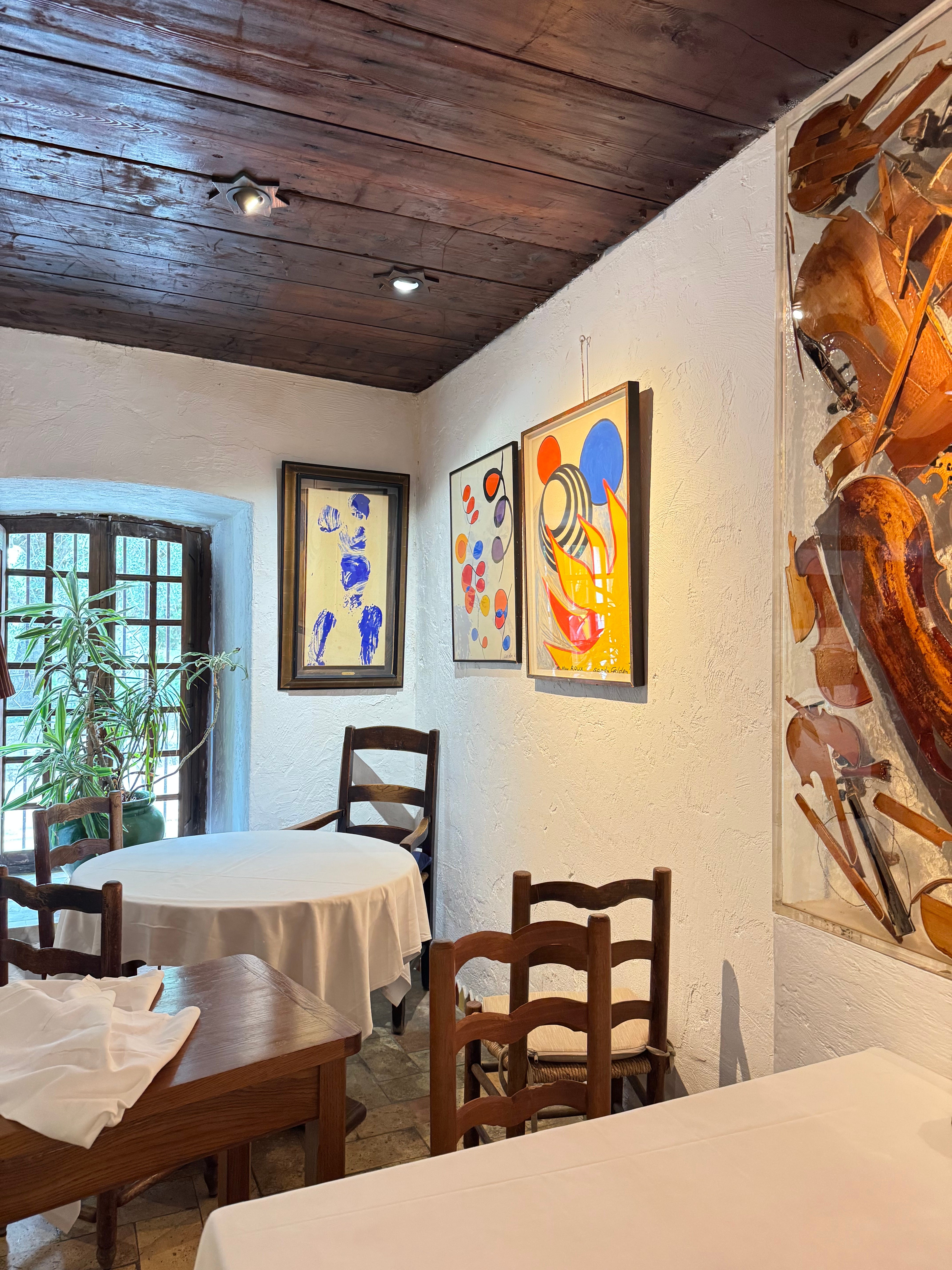
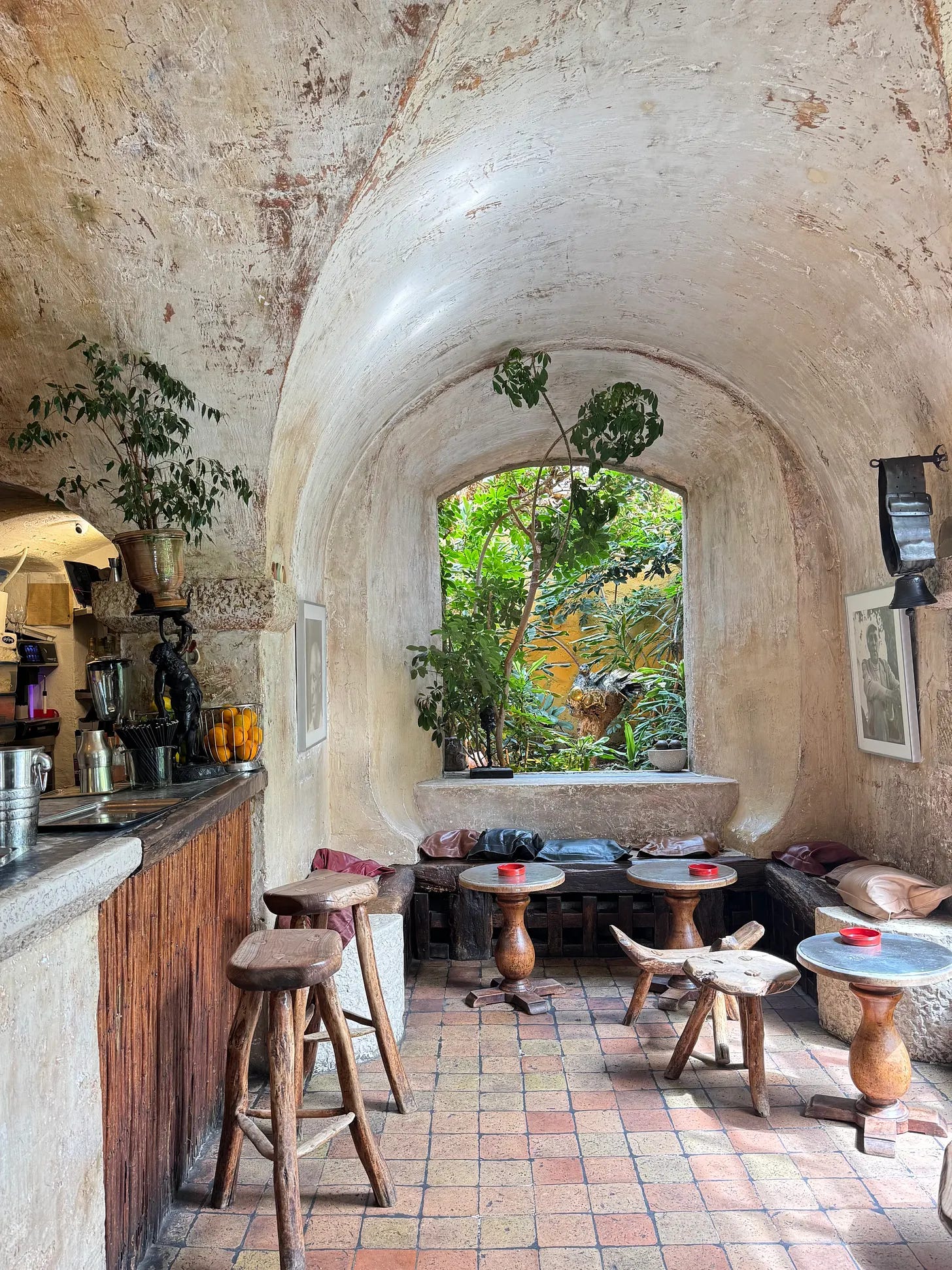
I remember hearing about La Colombe d’Or on a podcast back in 2020. Six years later I finally got to try it for myself. For those unfamiliar La Colombe d’Or started as a modest cafe/inn in the 1920s. When the Riviera became a wartime refuge for artists, the owners Paul and Baptistine Roux let painters settle their tabs in canvases rather than cash. This trade turned this small village restaurant into one of the greatest private art collections in France, with pieces by Picasso, Matisse, Braque, all hanging along the walls.
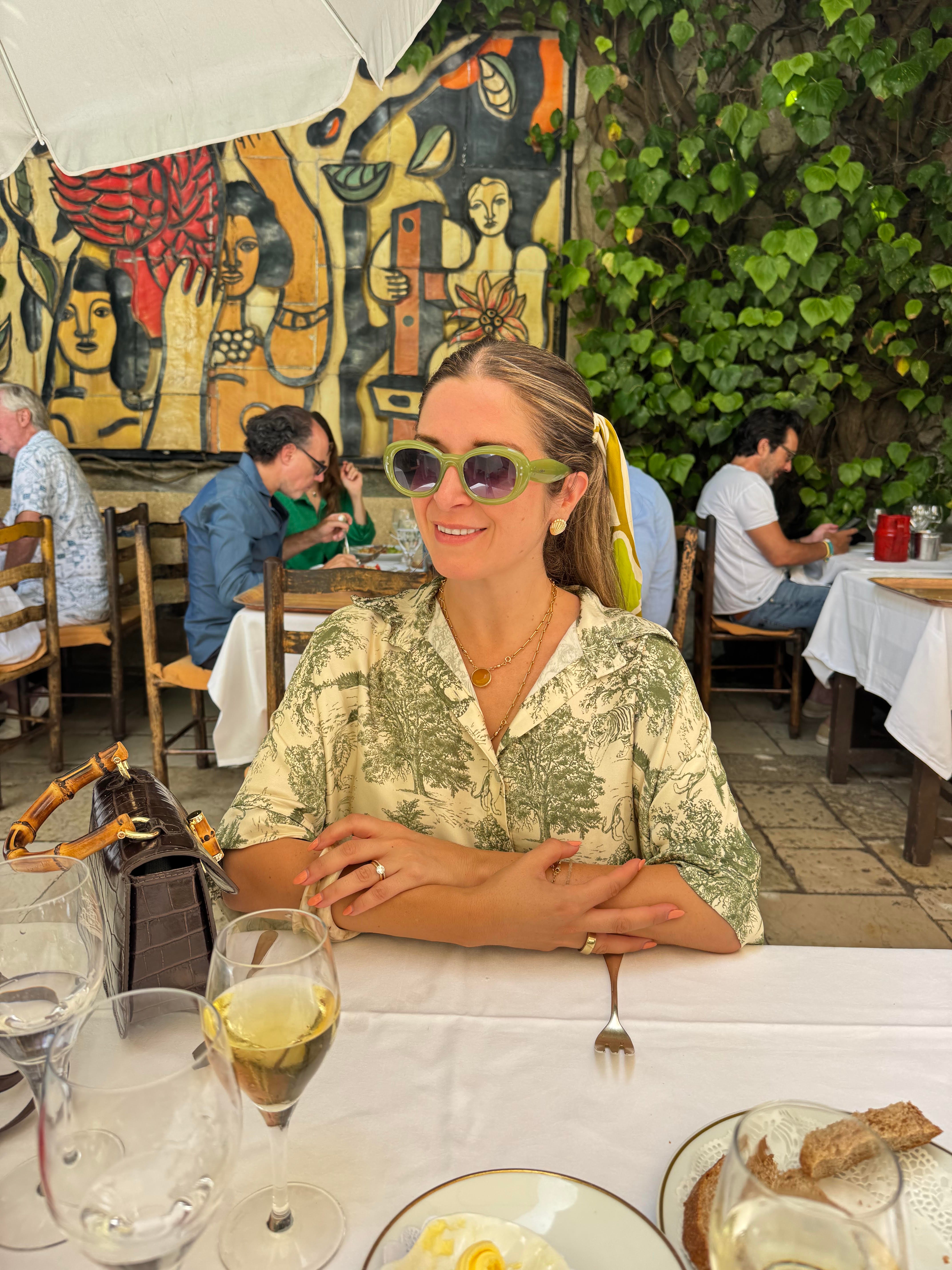
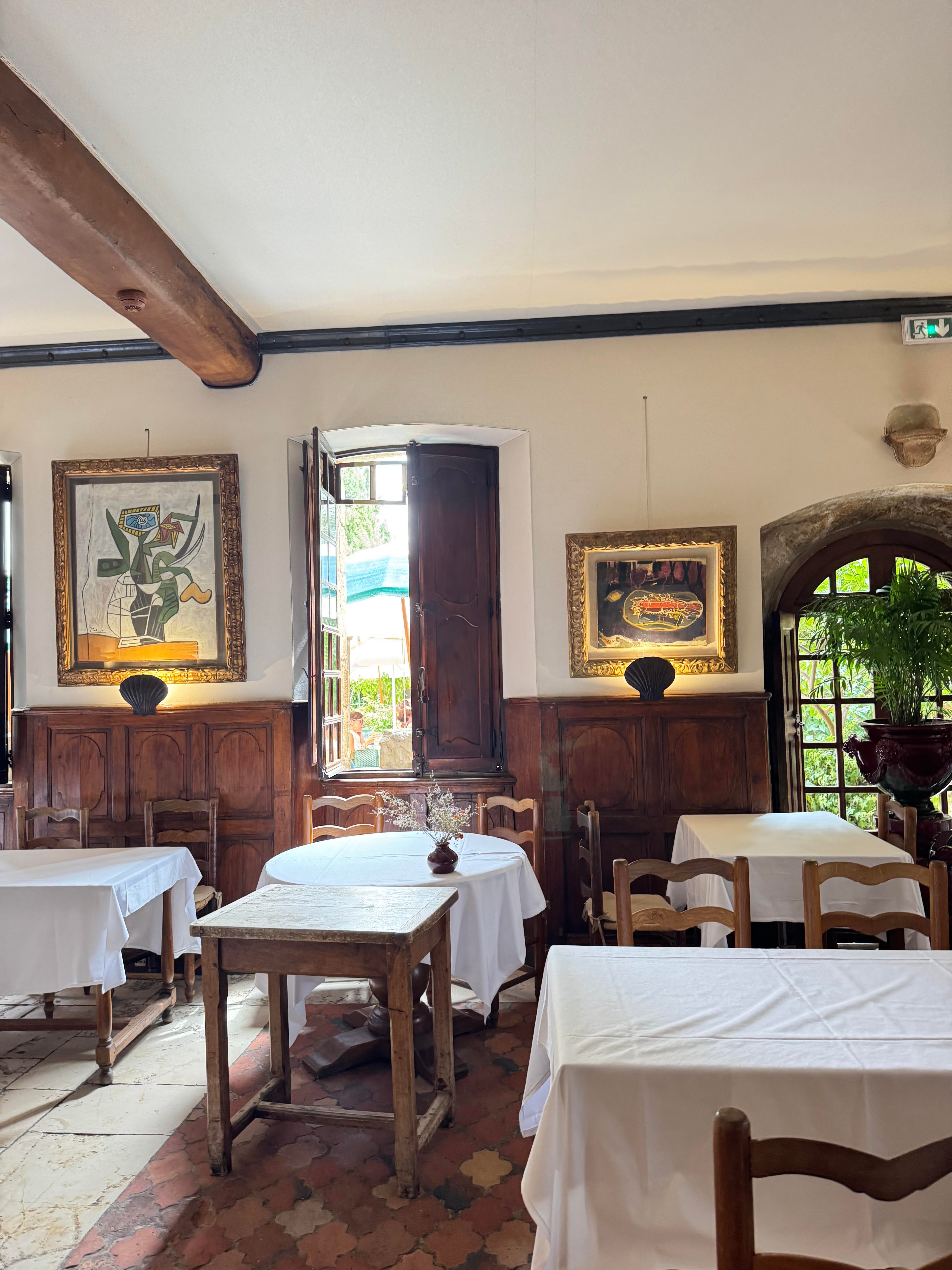
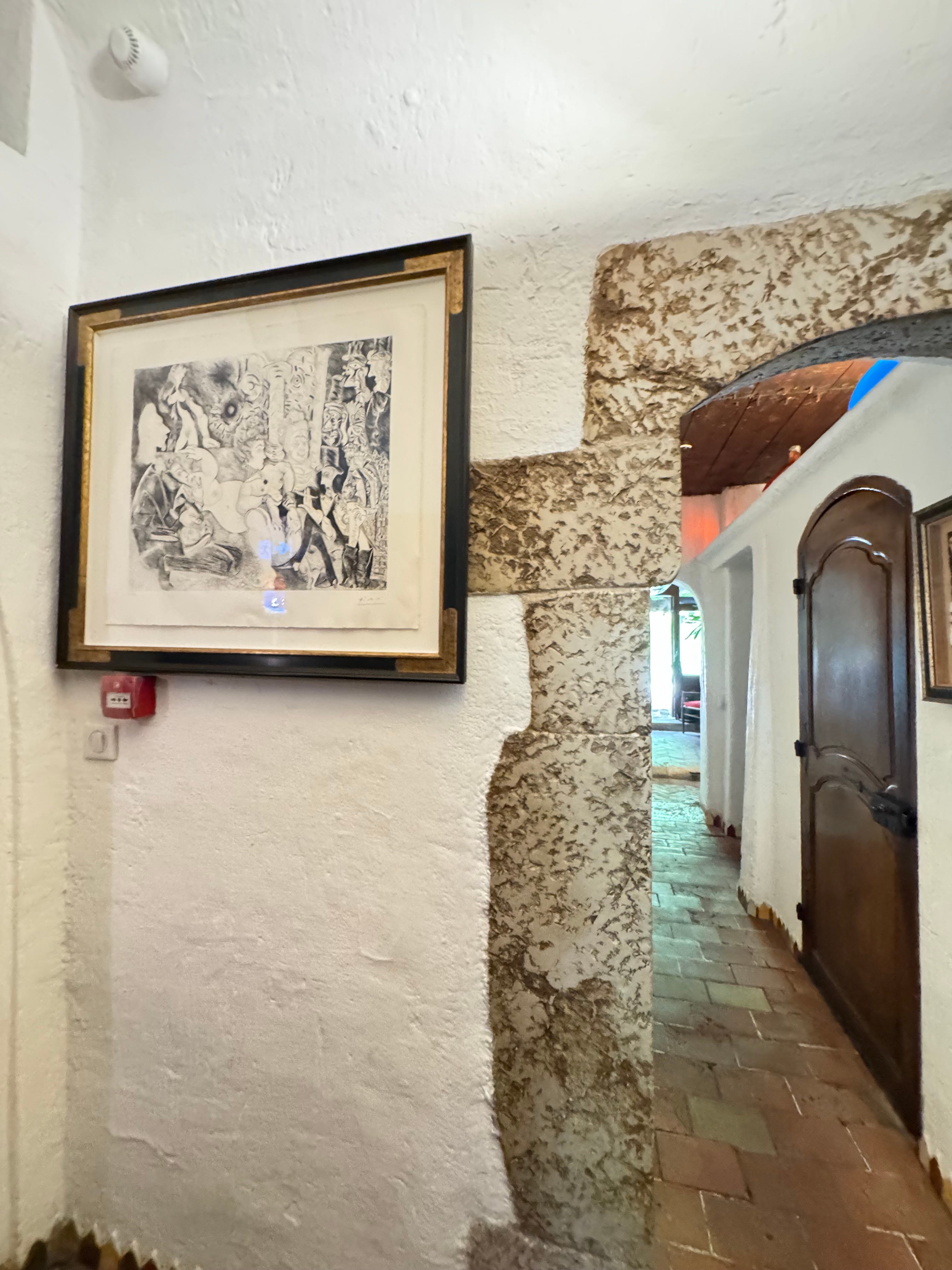
Lunch on the terrace was absolutely buzzing, though if I'm honest, I was more excited for the art than the food. We started with a fig and parma ham plate, then the sole for mains. After lunch I snuck inside to go looking for the art collection. First, a Picasso lithograph hangs almost carelessly over the fire alarm on the way to the bathroom, in a humble frame, if I wasn’t looking for it I would’ve missed it. But it's the main dining room that’s really stayed with me. Everyone was out on the terrace, so I had it entirely to myself… just me and the art, hanging in the exact room it was made for. Completely unforgettable experience!
What’s happening in food, dining & culture this week:
How will the UK’s sustained heatwave change how local ingredients show up on a menu?
The majority of top UK menus sell themselves on provenance of local ingredients. But what happens when climate changes the way crops grow locally? This article from the Guardian highlights how six homegrown products have been affected by the prolonged heat. This isn’t a one off summer, it’s what food security looks like under sustained heat and it’s going to keep reshaping how “local” shows up on a menu. What I’m curious about is how kitchens will adapt sourcing and menu design.
UK treasury warns VAT cuts for hospitality might not be feasible
Back in June Tom Kerridge launched the VAT’s the problem campaign, advocating for the reduction of VAT for hospitality to be cut from 20% to 10%, in line with the rest of Europe. This week James Murray responds for the first time with a warning:
“We want to support hospitality, but let’s be upfront about this. If you’re having a big cut in VAT, it cost a lot of money, and anything we announce we want to make sure is fully funded”
This comes at the same time top chefs question the commercial sustainability of running fine dining restaurants in the UK.
The difference between hospitality & servitude
Dan O'Regan’s Substack is one I always really enjoy, written from his perspective as an owner of two restaurants in Bristol. Last week he published this article sharing his restaurants’ approach to hospitality, and how they manage the absurd requests from patrons. Dan touches on the financial side as well, and how an off menu request has economic consequences.
London’s first pizza tasting menu
Napoli on the Road introduces London to its first ever pizza tasting menu at their spot in Soho. When I first heard about this a few weeks ago I thought it sounded like a gimmick (still kind of does?), however the caliber of chef/founder cannot be denied. Michele Pascarella was awarded Best Pizza Maker in the world in 2023, and NOTR has been awarded Best Pizzeria in Europe (outside of Italy) in 2024, 2025, and 2026, as well as Pizza of the Year in 2023, 2025, 2026. At £65 per person, it’s great value for money in Soho, 7-courses with an entree, antipasti, four types of pizza and a dessert.
That’s all for this week’s newsletter. Enjoy the week, and I’ll see you next Friday.
Danielle x
Table for Two lives at the intersection of food and culture, not simply recommendations, but a considered point of view on why dining matters, and where to find the best of London’s table culture. If this piece resonated, please support my work by subscribing.
I agree completely, but wonder how this could have been done successfully! 🤔 carbone became such a symbol and the dishes became so popular they occupied the same space as a family recipe. New Yorker foodies were proud to try and replicate it at home… that kind of identity gets lost as the investor money gets involved. Maybe if carbone had done a thoughtful chef exchange it would have revitalized their New York location and offered a way to share a slice of NYC with the wider world. What do you think??
You can’t franchise fine dining