


After a year of anticipation, I finally made it to AngloThai. It’s one of my favourite types of restaurants, where the story behind the kitchen makes the experience of the meal a consumable piece of culture.
First: it earned a Michelin star three months after opening… a feat in its own right, but unlike a Bonheur by Matt Abé or Core by Clare Smyth, chef John Chantarasak wasn’t fresh out of a three-star kitchen, and didn’t have a major restaurant group like JKS behind it, as we saw with Ambassadors Clubhouse and Legado.
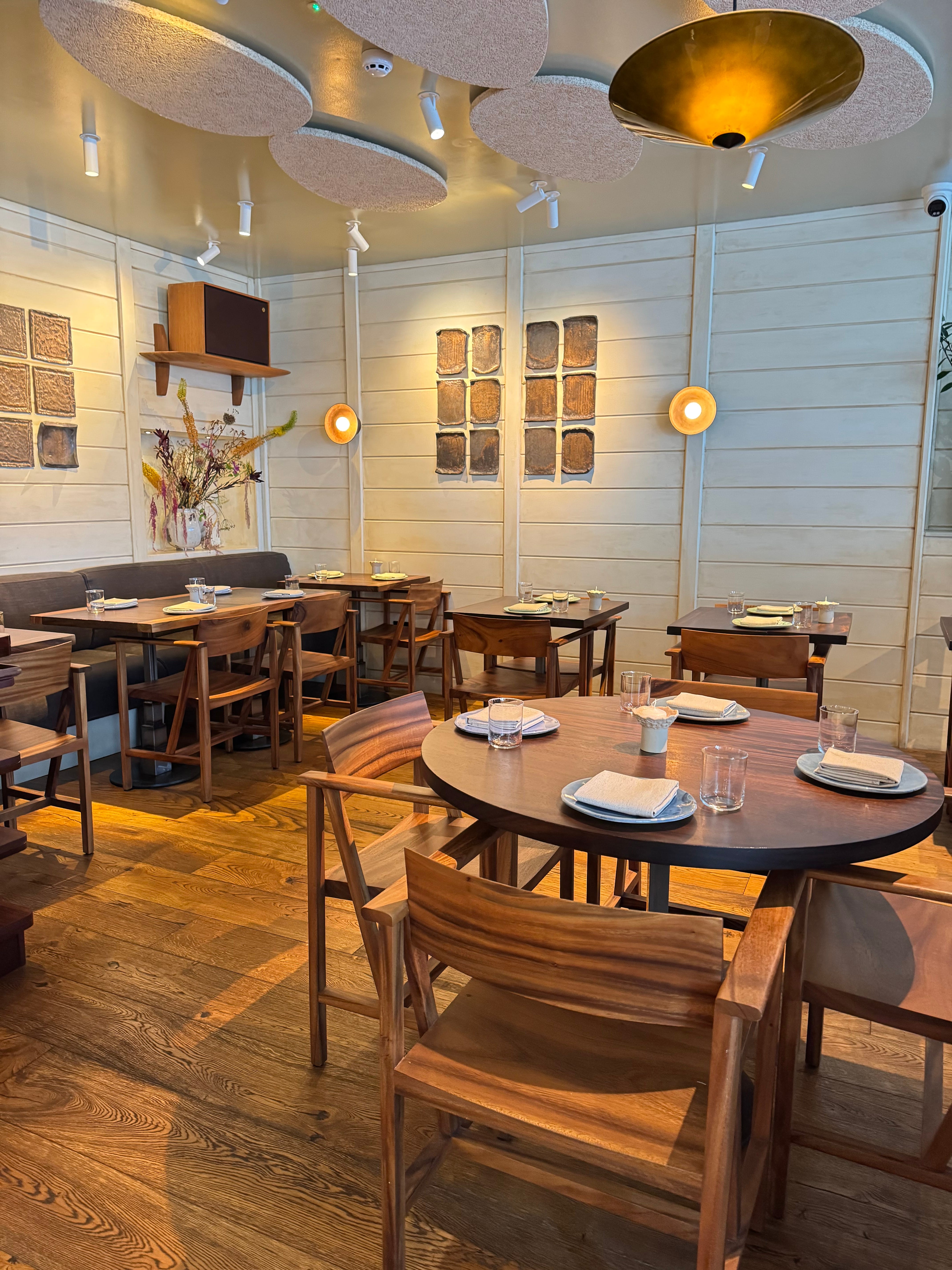
Instead chef John Chantarasak spent nine years testing the idea… pop-ups, a residency at The Outcrop at 180 Strand, a regular dinner series called Baan run out of his own Battersea flat. By the time AngloThai reached Marylebone, its identity was mature enough to earn the star within months.
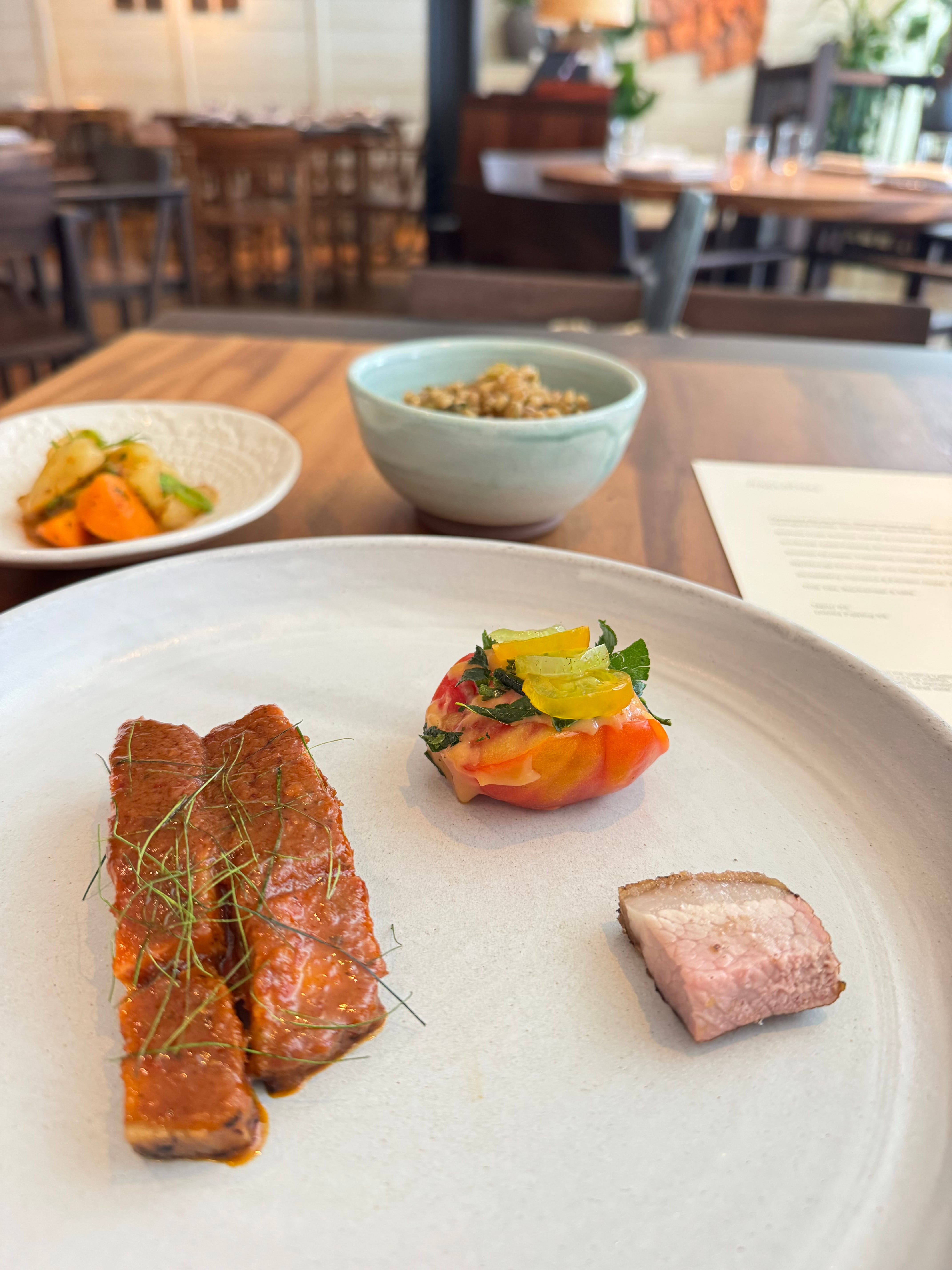
But the menu’s strength isn’t just a decade of trial and error. It’s a direct reflection of who Chantarasak is. Born in the UK to a Thai father and a British mother, raised in Wales, he cooks a menu that reads like an early chapter of his own autobiography.
And whilst it’s undoubtedly a Thai restaurant, the menu isn’t pretending to be one in the way you’d expect. Just the opposite actually, it celebrates its British ingredients, delivered through the structure of Thai cuisine.
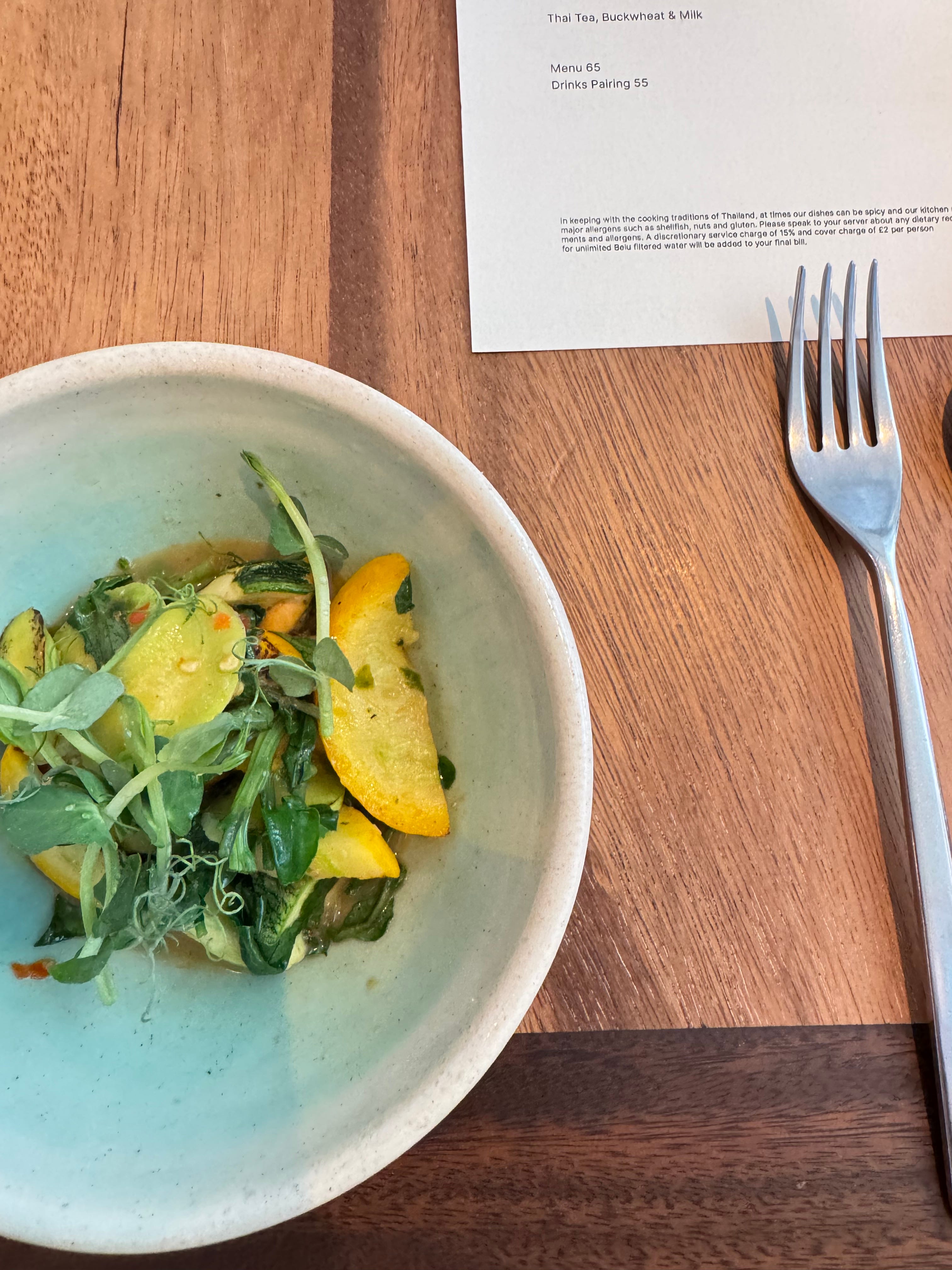
I went for lunch on a warm July afternoon. The lunch menu is 5-course abbreviated version of the dinner menu, with two supplements available, one at the starter and one at the dessert, both of which I took.
Nearly every ingredient is British. The flavours, a panang, a chu chee curry, are not. The absence of peanuts means the kitchen turns to sunflower seed; buckwheat stands in for rice. The substitution logic is what makes the meal so unique, and I read it as an argument that Thai cuisine isn’t a set of imported ingredients, it’s a structure that holds its own with ingredients not otherwise native to the cuisine.
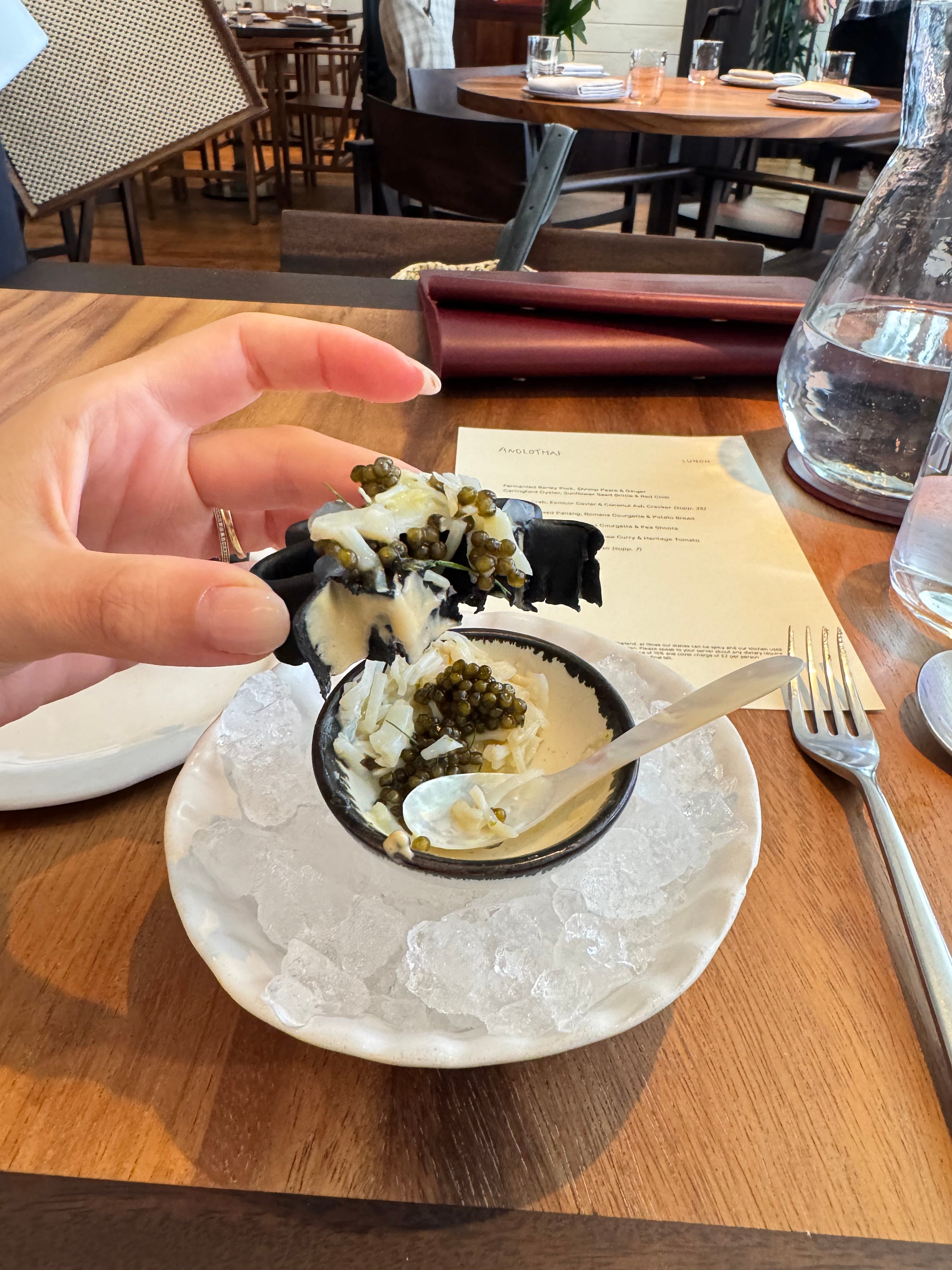
The highlights of the meal for me start with the first supplement: the Brixham Crab, Exmoor Caviar & Coconut Ash Crab. The saltiness of the crab and caviar balancing each other perfectly and the cracker is the perfect vessel.
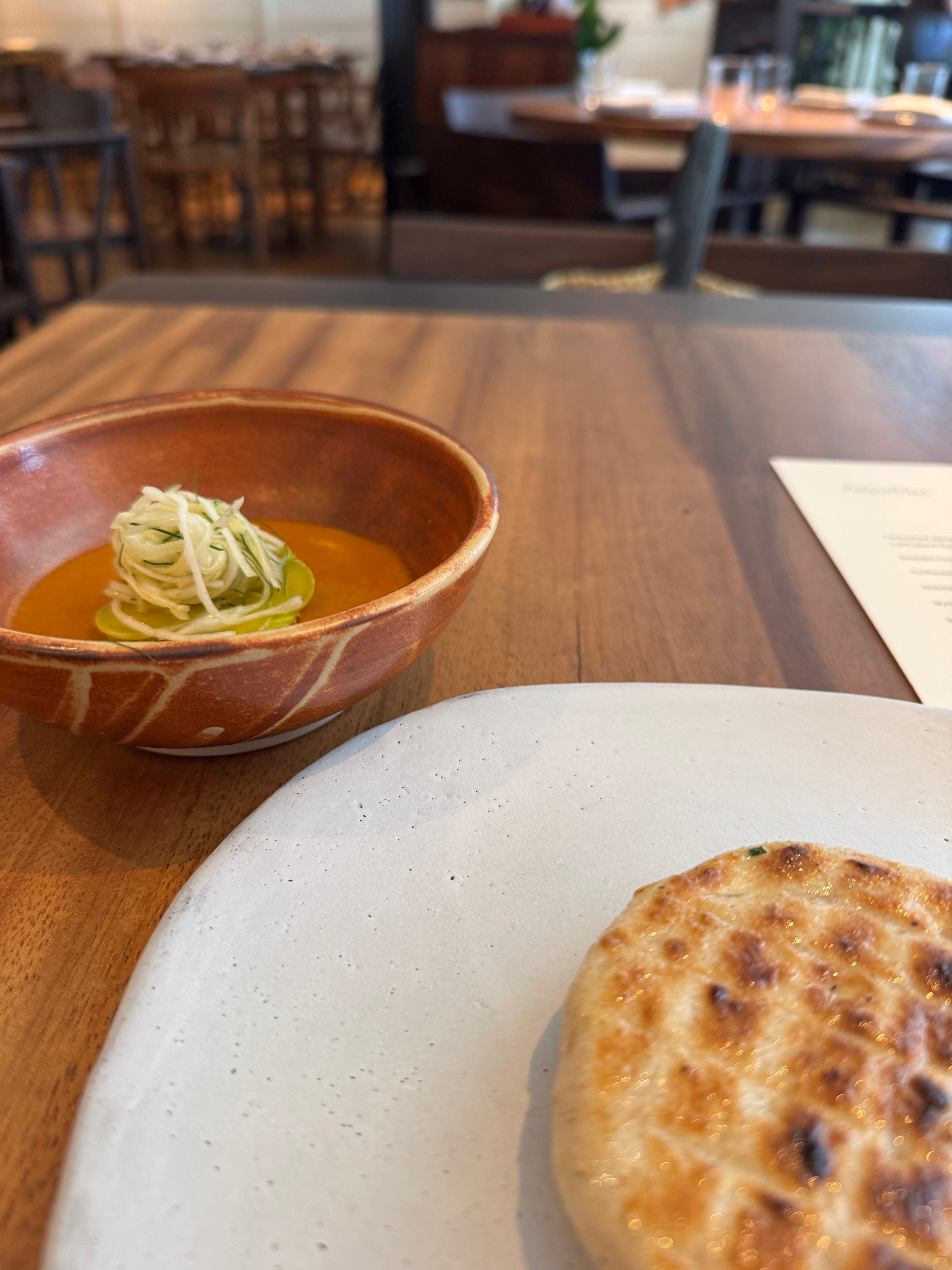
One of the best dishes of the meal might be the simplest: sunflower seed panang with potato bread. No peanuts, sunflower seed carries the curry’s richness instead, and the potato bread exists purely as a vessel, torn by hand and dipped in its sauce. It’s the clearest statement on the menu, substitute the ingredient, but keep the logic and structure, and the dish still works exactly as it should, but specific to AngloThai’s unique style.
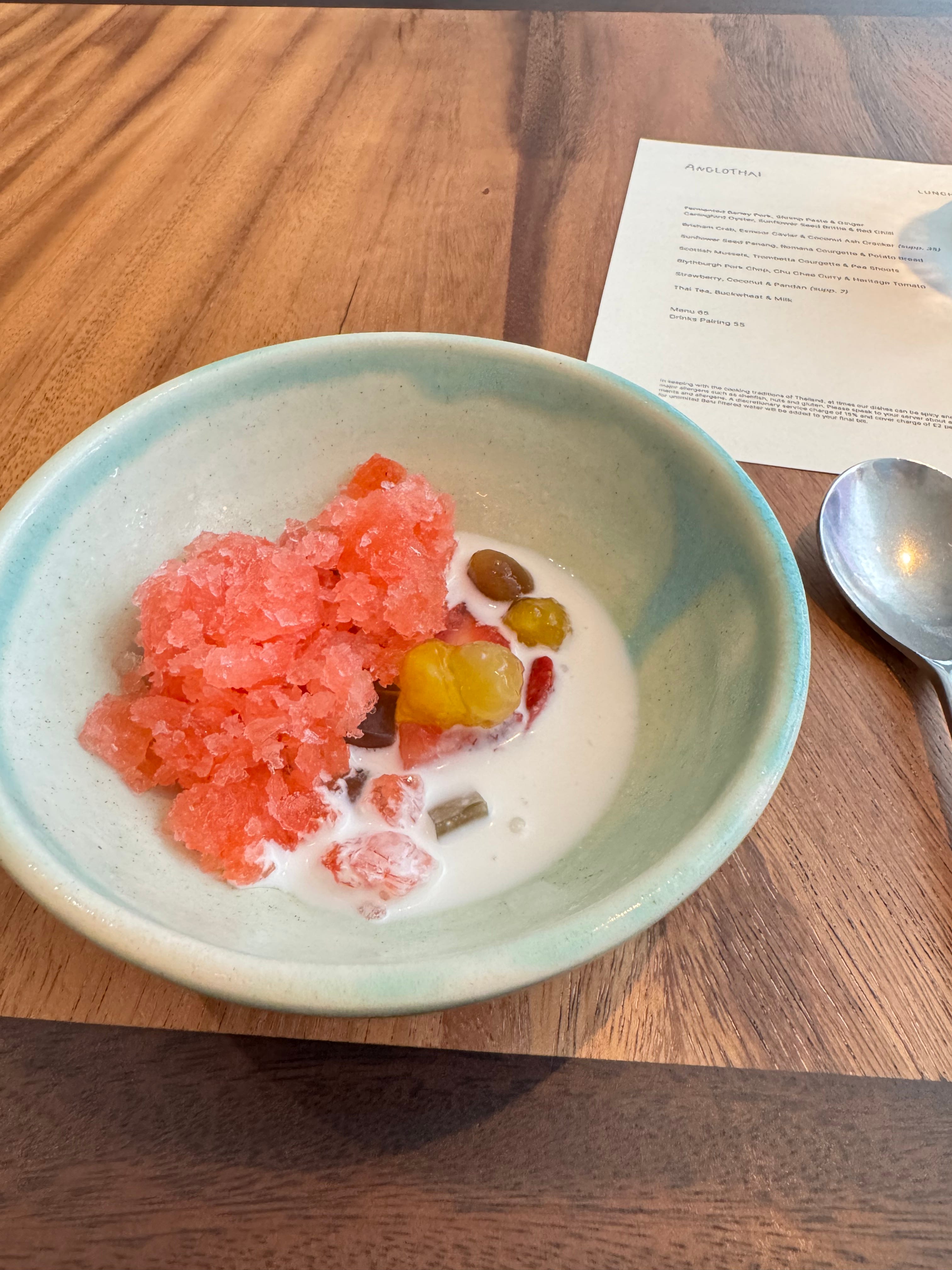
For the desserts, it’s the palette cleanser that stays with me: a strawberry, coconut & pandan bowl. A strawberry granita, shaved fine, sits over coconut milk pooled over a scatter of fruit at the base of the bowl. It reads like a Thai shaved ice dessert built entirely from an English fruit bowl: strawberry standing in for the usual tropical fruit. It’s the lightest dish on the menu and incredibly refreshing on a hot July day, I’ve thought about it every day since.
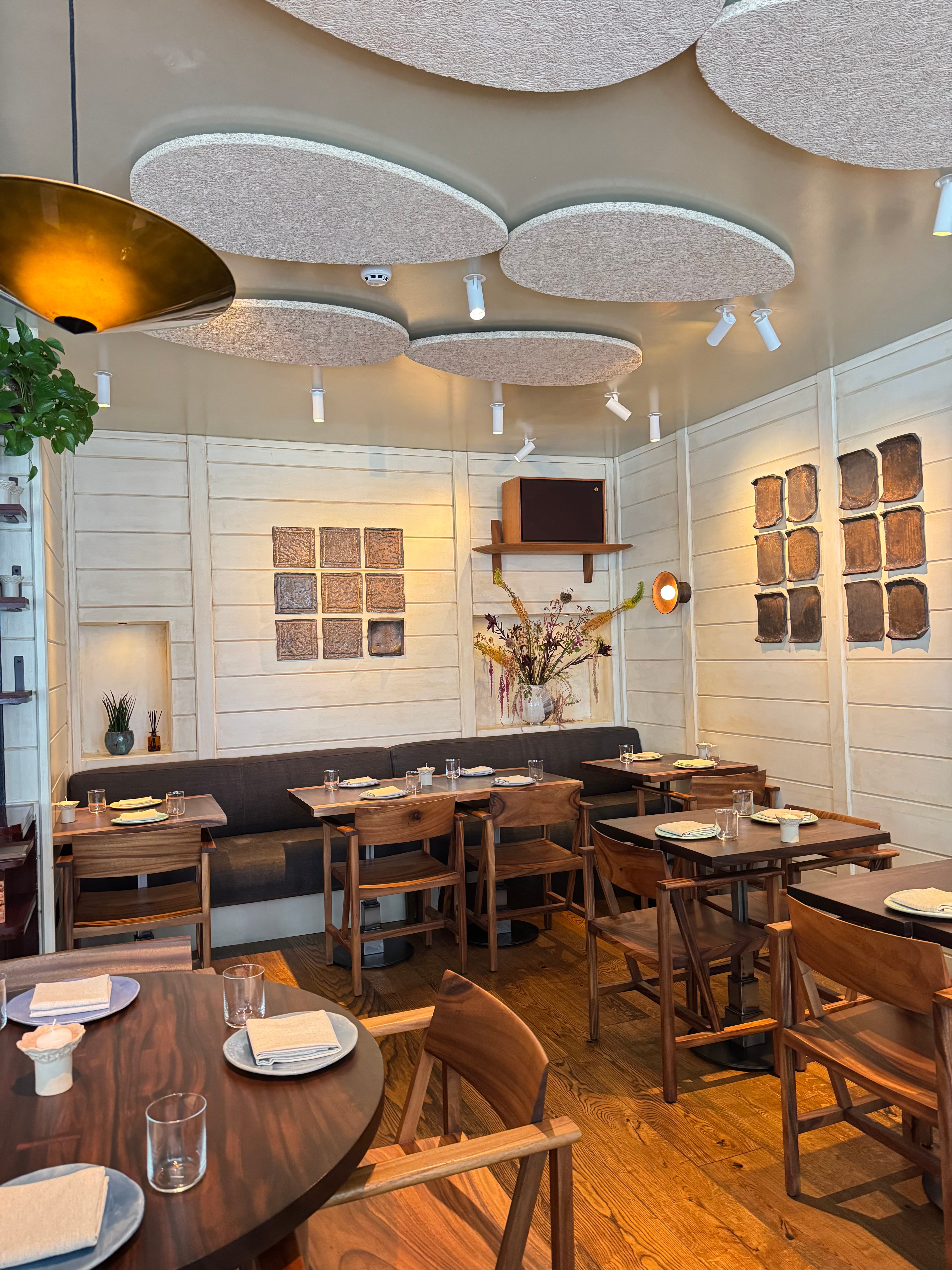
AngloThai is a restaurant where you can taste that a cuisine is more than a list of ingredients. Nine years of pop-ups got it to Marylebone. Three months got it a star. The crab, the panang, the granita all make the same point: swap out every ingredient Thai food usually relies on, and if the logic underneath is intact, the dish still works. That's the case for AngloThai as a whole… British ingredients, Thai structure…. much like the chef behind it.
Table for Two lives at the intersection of food and culture, not simply recommendations, but a considered point of view on why dining matters, and where to find the best of London’s table culture. If this piece resonated, please support us by subscribing.
Lovely review! I couldn't agree more on viewing a particular cuisine as a structure, and not a set of ingredients it tends to incorporate. I was reminded of Norbert Niederkofler's "cook the mountain" philosophy: Italian cuisine (however Alpine) without olive oil or citrus...