


Opening a restaurant in London is hard, but keeping one open for twenty years is another thing entirely. By then, it’s become part of the city’s dining history, shaping generations of chefs and welcoming generations of diners. In a city so focused on what’s new, there’s something worth celebrating about restaurants that keep people coming back.
Earlier this month, Adam Byatt’s Trinity celebrated its twentieth anniversary. Days later, I sat down with him to discuss what it takes for a restaurant not only to survive two decades, but to really endure, remaining somewhere people still plan a month in advance to secure a table.
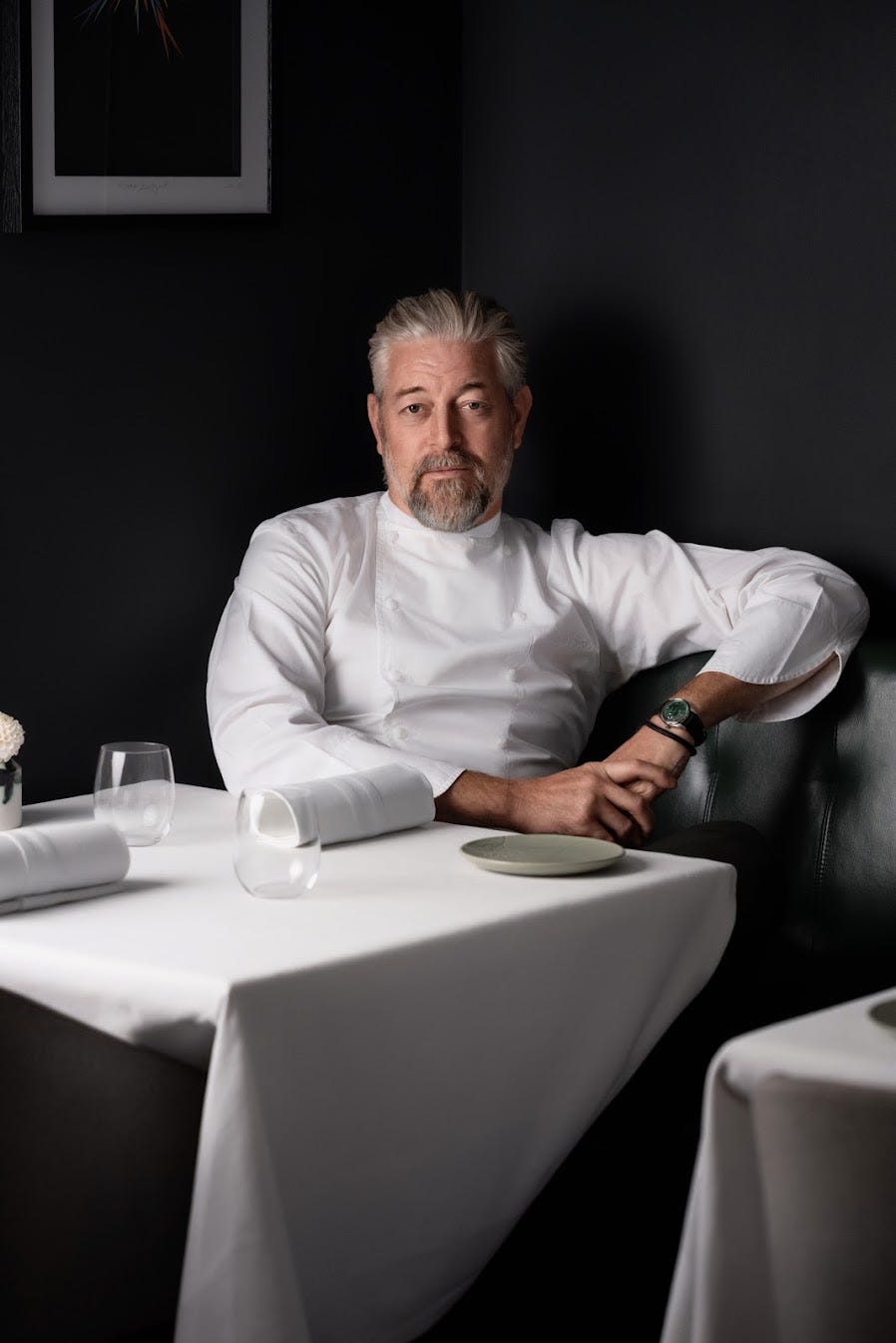
When I ask which memories stand out, Byatt tells me about a woman with red hair who regularly came in alone for lunch. She’d take off her slippers, eat, then put them back on before leaving. After several weeks, he finally looked up the name on her credit card and discovered he’d been serving fashion designer Vivienne Westwood.
What began as Byatt’s ambition to open the best restaurant in his Clapham neighbourhood has evolved considerably over the past twenty years. As we talk, it becomes clear that Trinity’s longevity has involved as much change as continuity. From finding his identity as a chef to rethinking how the restaurant operates, Byatt has spent two decades learning what to hold onto and when to let go.
TFT: You’ve spent twenty years building Trinity. How has your relationship with the restaurant changed?
AB: I think of it as two separate decades of Trinity, and the first was the dark decade, when we were looking at empty dining rooms, trying to stabilise the team and still working out what kind of restaurant we wanted to be. Clapham was changing as a neighbourhood and I had two children during that time, so there was a lot happening both at work and at home, and a lot of pain and anguish in getting to where we are now.
The second decade has been much more successful, emotionally and physically. The defining moment was closing Trinity for six months in 2015, when we built Trinity Upstairs and recalibrated the model. We reopened, then came the Michelin star, and looking back, those first ten years were the foundation for everything that came next.
TFT: You spent much of that first decade finding your identity as a chef. What changed in your cooking?
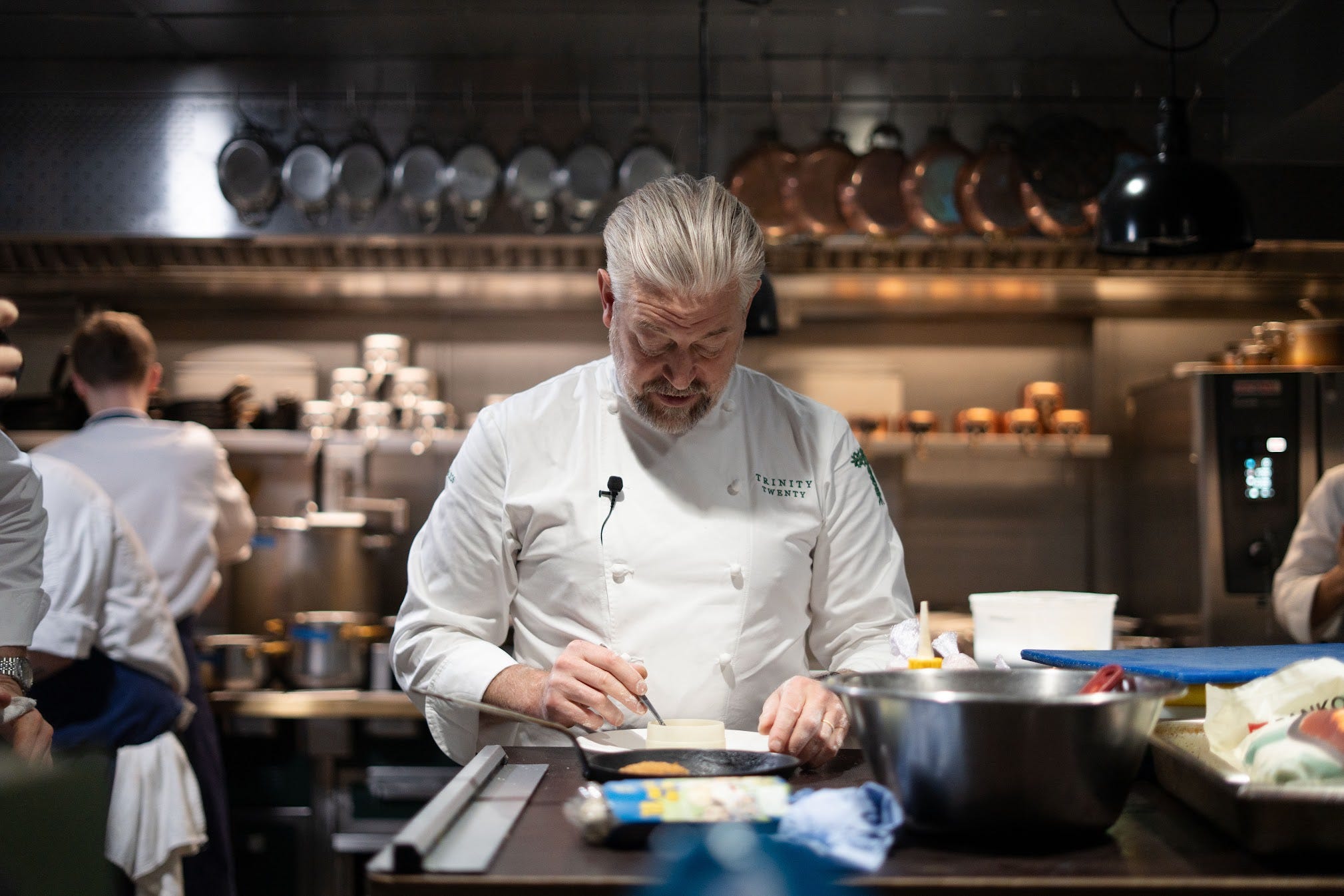
AB: As a young chef, you spend years looking for what’s new, what’s innovative, what’s avant-garde, and your food is constantly changing because you’re still trying to work out who you are. Then eventually you realise that you’ve found your own food and your own style, and instead of searching for the next thing, you can spend your time getting better at what you already do.
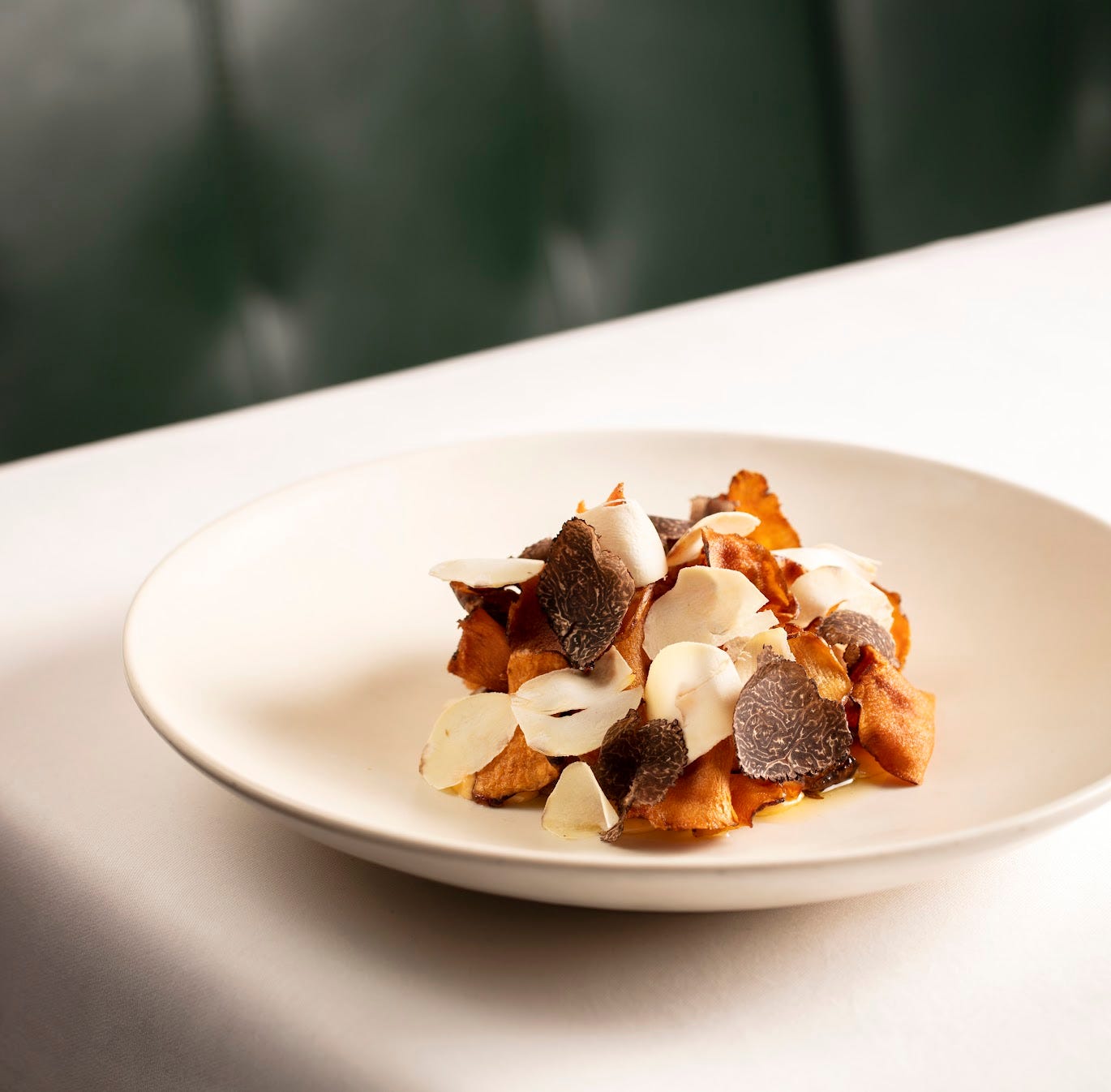
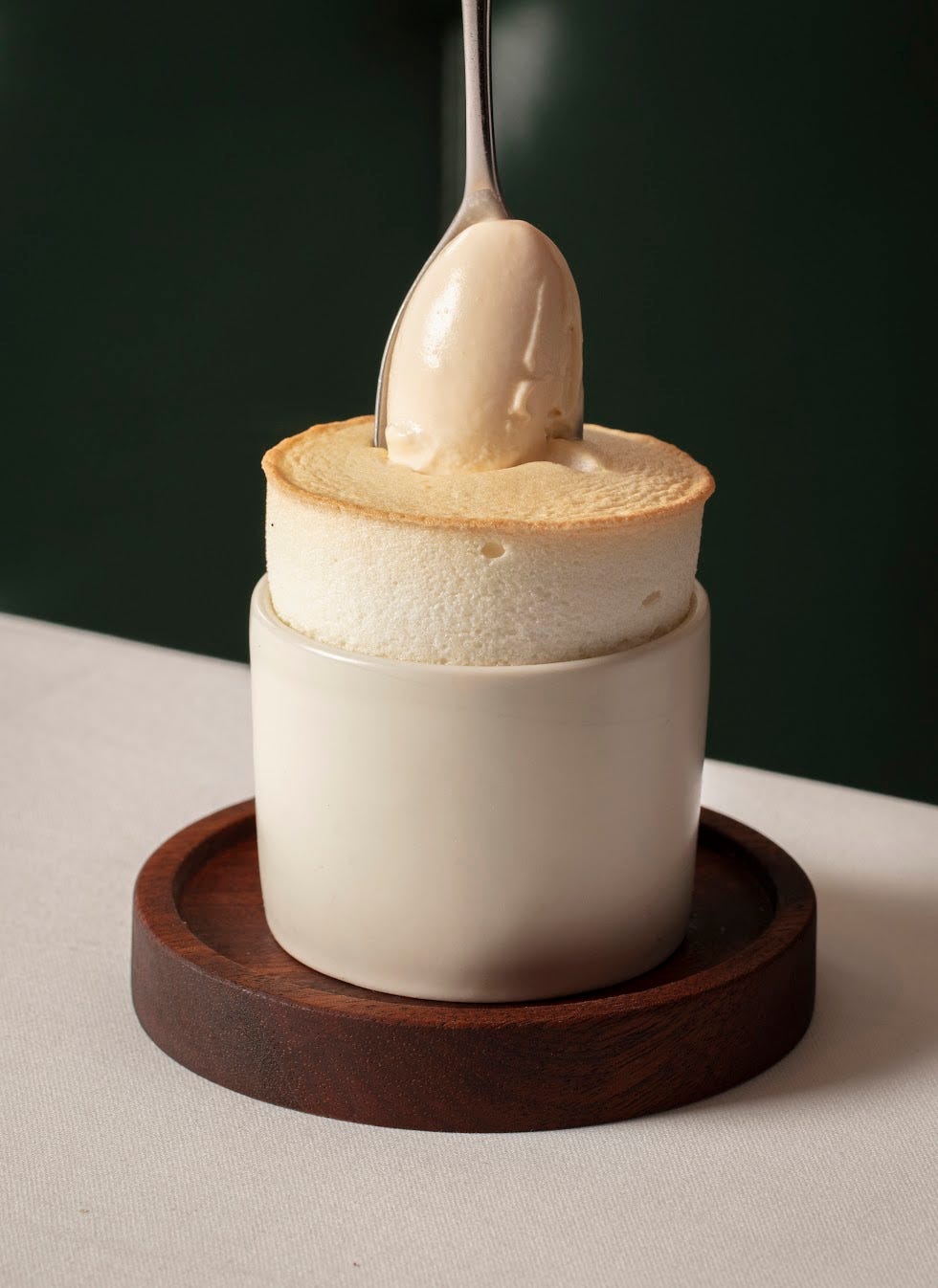
At Trinity, that meant simplifying the cooking and making the core ingredient the hero, with fewer changes and more focus on consistency. A signature dish doesn’t happen in ten minutes, it happens in ten years, and when we finally got the Michelin star, it felt like a stamp of approval for everything we’d been working towards.
TFT: If someone visited Trinity in 2006 and came back today, what would they recognise?
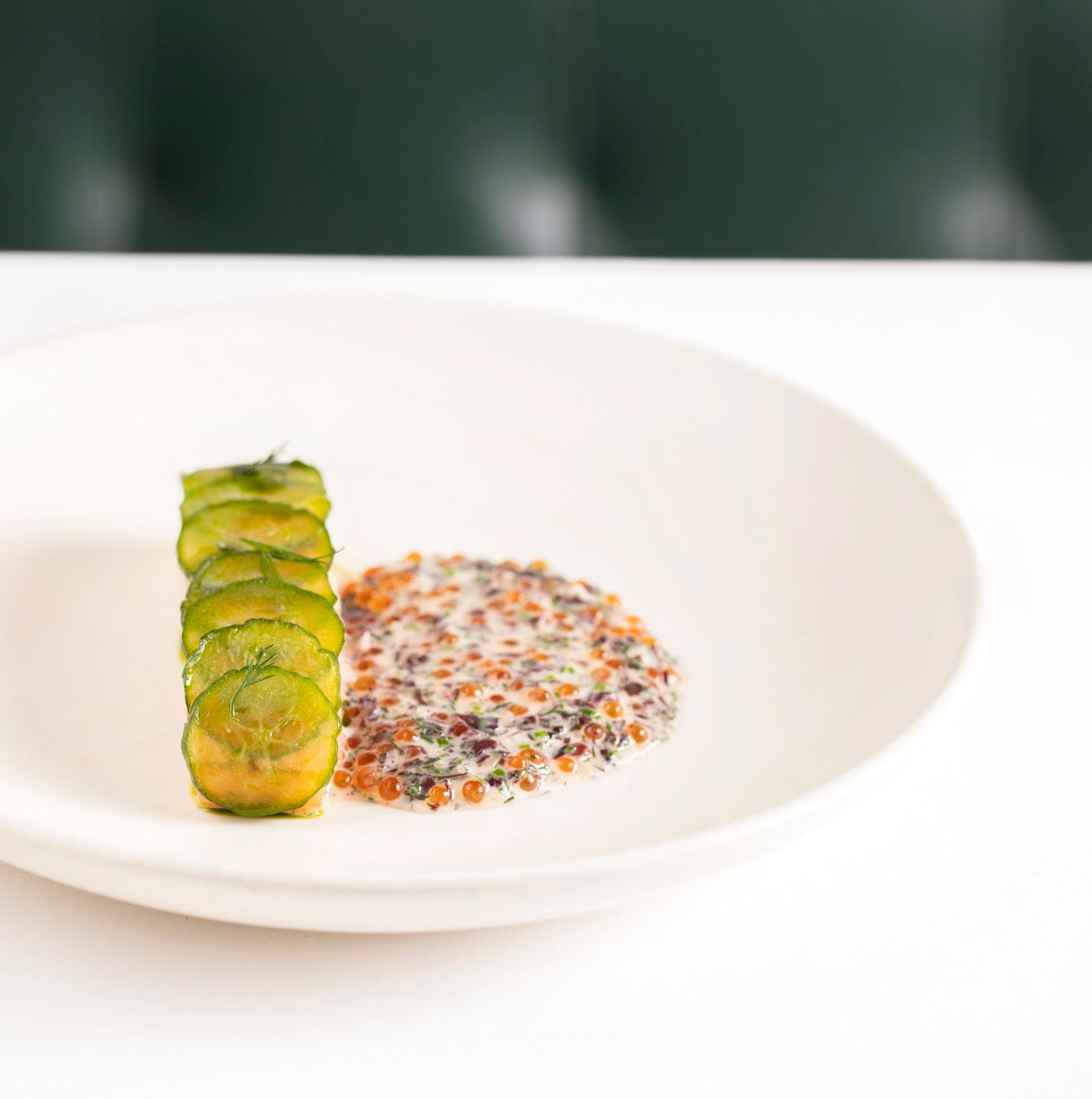
AB: The bread, which is exactly the same, and they’d recognise me and the hospitality because the way we treat people hasn’t changed. The food would be completely different, though. There used to be a slight chaos to it, with so much happening on the plate, whereas now there’s a calmness to the cooking. The techniques, sauces and combinations of ingredients aren’t necessarily different, but the execution is almost unrecognisable.
TFT: You reduced Trinity from around 90 covers to 40, even though there’s demand for more. How did that happen?
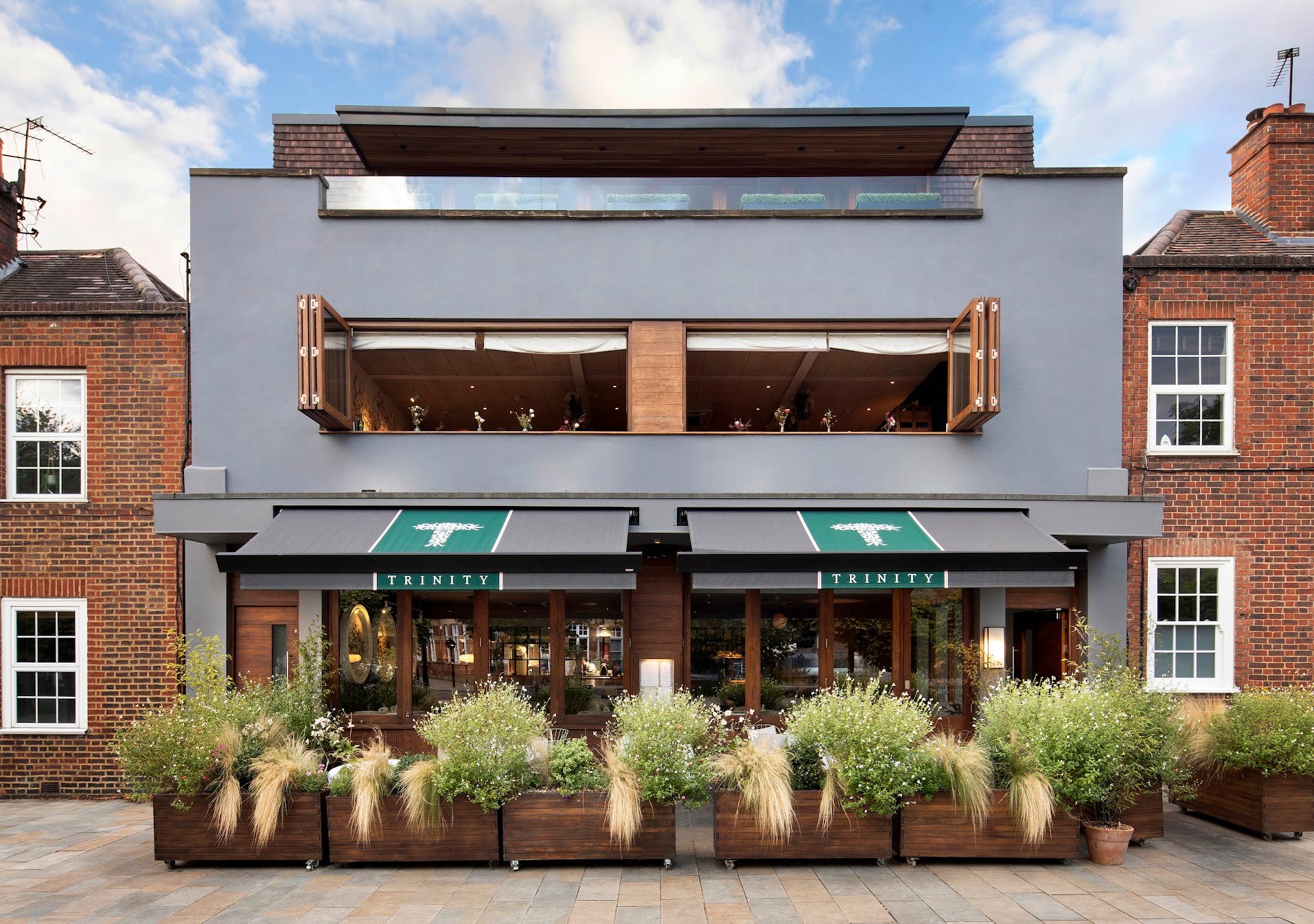
AB: Before Covid, we were geared up for 90 covers, and while we would do 90 or 100 on Fridays and Saturdays, during the week we’d sometimes only do 40 despite having the overheads and team in place for a much bigger restaurant. We were busy fools.
When we reopened with social distancing, we could only seat 40, so we brought back a smaller team and suddenly we were fully booked for lunch and dinner every day. We were serving fewer customers, but with the right-sized team we were more profitable and could deliver the food and service consistently, which is what people are coming to us for.
We haven’t changed that model since 2022, I’m not interested in squeezing in more covers if it means compromising the experience. Profit isn’t a bad word, because it allows me to look after the people who work here, but the whole thing only works if we’re delivering what we’ve promised every time someone walks through the door.
TFT: Were there other things you tried over the years that didn’t quite work, but eventually led to something better?
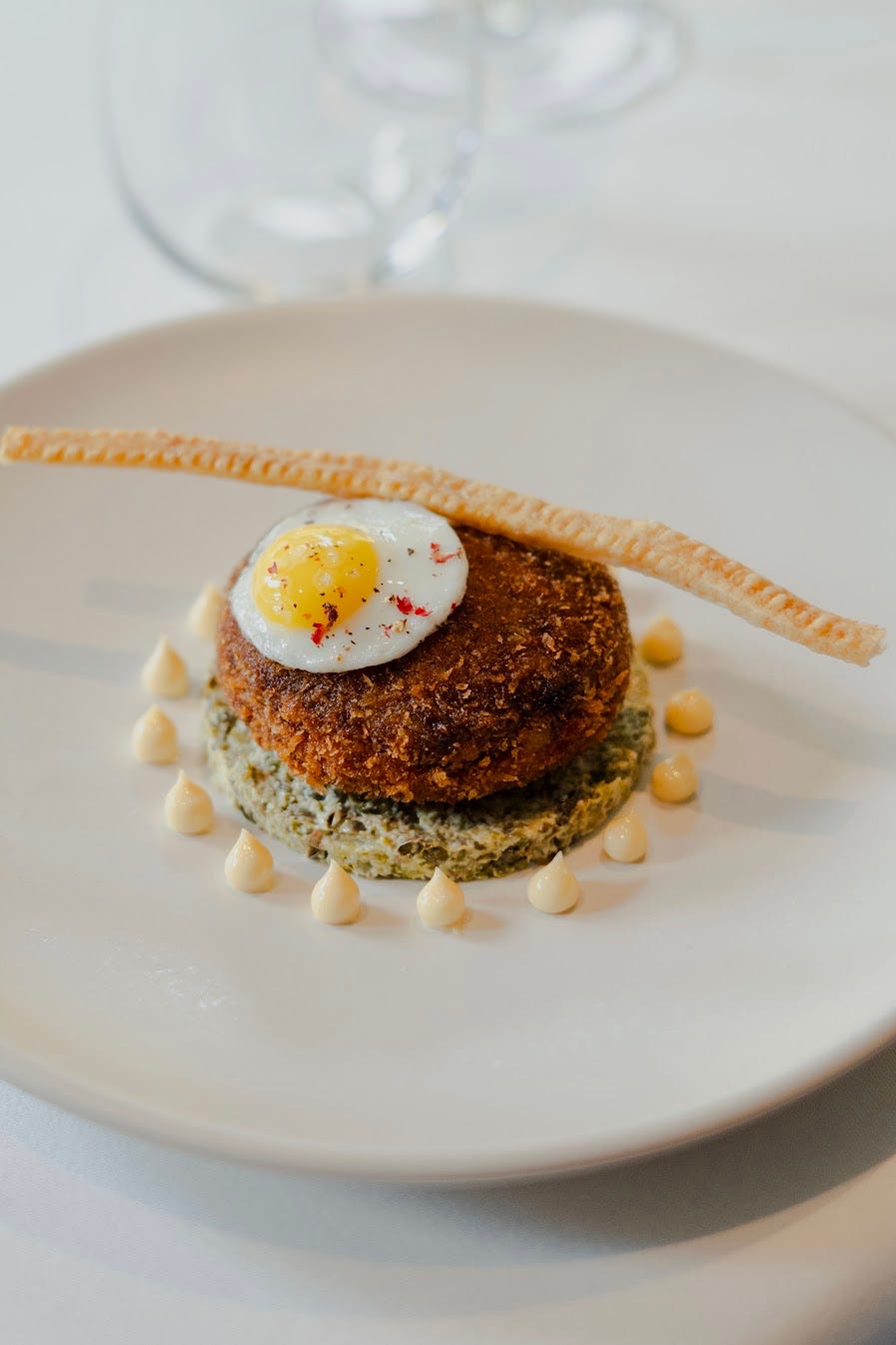
AB: Sunday lunch is a good example. We started doing a more traditional Sunday lunch upstairs, but it wasn’t quite working, so we tried introducing a fixed-price lunch club with two sittings, which ended up being absolute chaos for the team.
Eventually we settled on our Sunday Lunch Club, which has become a lovely offering. On Sundays I cook for my family at home, then I send the dishes to the team and on Tuesday we share the menu with our guests for the following Sunday. It’s a ticketed lunch with three courses, a canapé and a drink, and we’ve found a format that works for both the guests and the team.
TFT: Trinity started as a neighbourhood restaurant. How did becoming a destination change your relationship with its original customers?
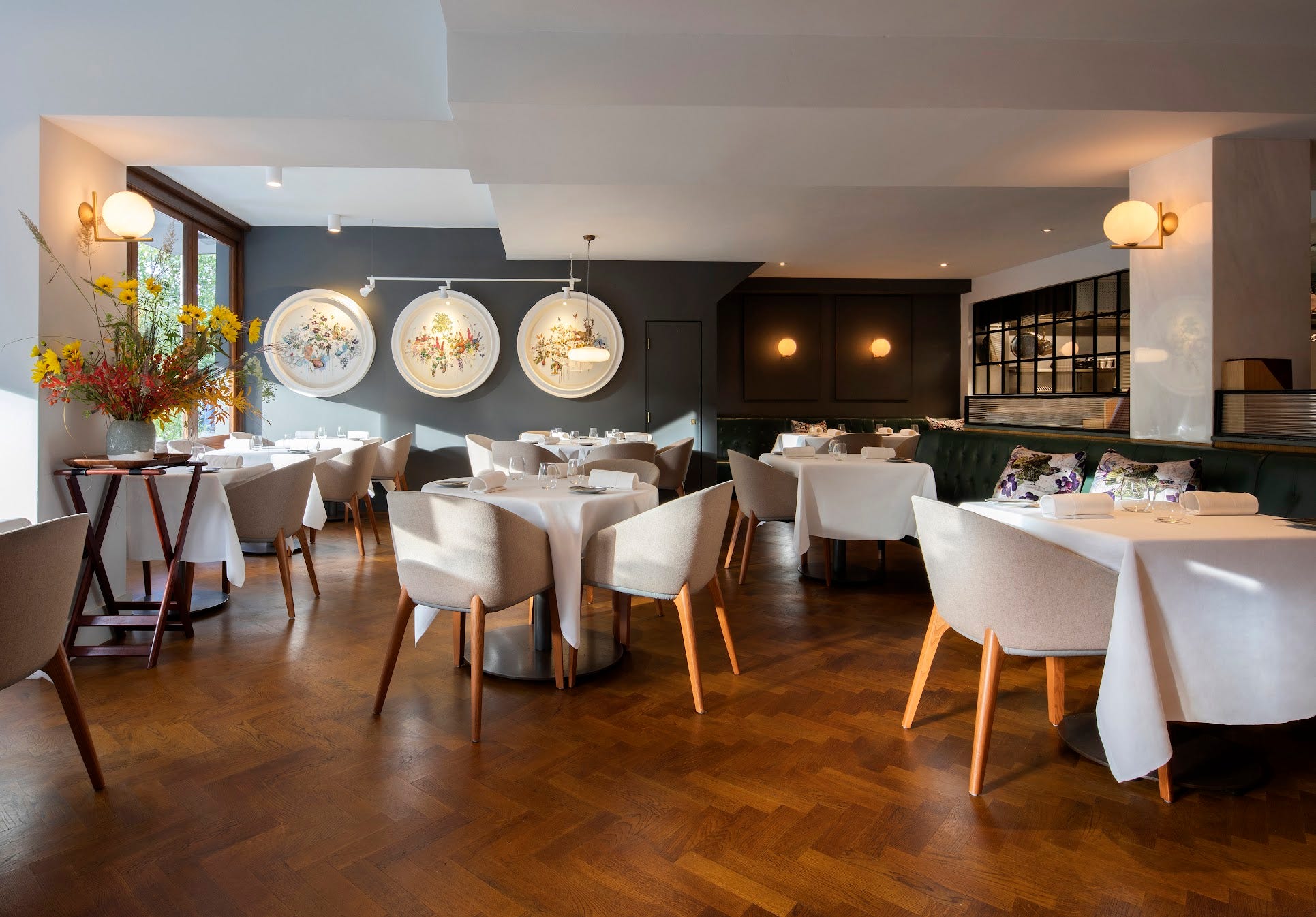
AB: For the first ten years, Trinity was really about the people who lived within a mile of the restaurant, but the Michelin star and then social media gave us a much wider audience. As costs increased, we reached a point where we knew the prices had to change too, and I sat down with the team and explained that we had to accept we’d lose some of our original customers along the way.
We didn’t make that change as soon as we got the star; we waited until there was enough demand and we knew it was the right decision. It was a leap of faith, but Trinity Upstairs also gave some of those customers another way to eat with us, while the main restaurant began attracting people from further afield.
TFT: You’ve changed plenty over the years. What have you refused to compromise on?
AB: The standards. I’ve stuck to my guns since the beginning, even when we weren’t making any money, and between 2006 and 2010 I was being offered £2,000 or £3,000 to do events for processed-food brands. That was a lot of money at the time, but I said no because it wasn’t what I wanted Trinity to stand for.
Even now, we turn down large commercial opportunities because they would compromise what we’ve built. There comes a point when you’ve spent so long establishing something that you think about cashing in on it, but then where does that leave the integrity you’ve spent twenty years building? Of course, it’s much easier to turn down that kind of money today than it was when we were struggling financially, but I genuinely believe those decisions are part of the reason we’re successful now.
I’ve always believed in investing in young people too, because I don’t want everything to be about me. From the outside, the business might appear to revolve around me, but our head chefs all have their own platforms, and I want to give them the opportunity to become brilliant in their own right.
TFT: What did success look like when you opened, and how do you define it now?
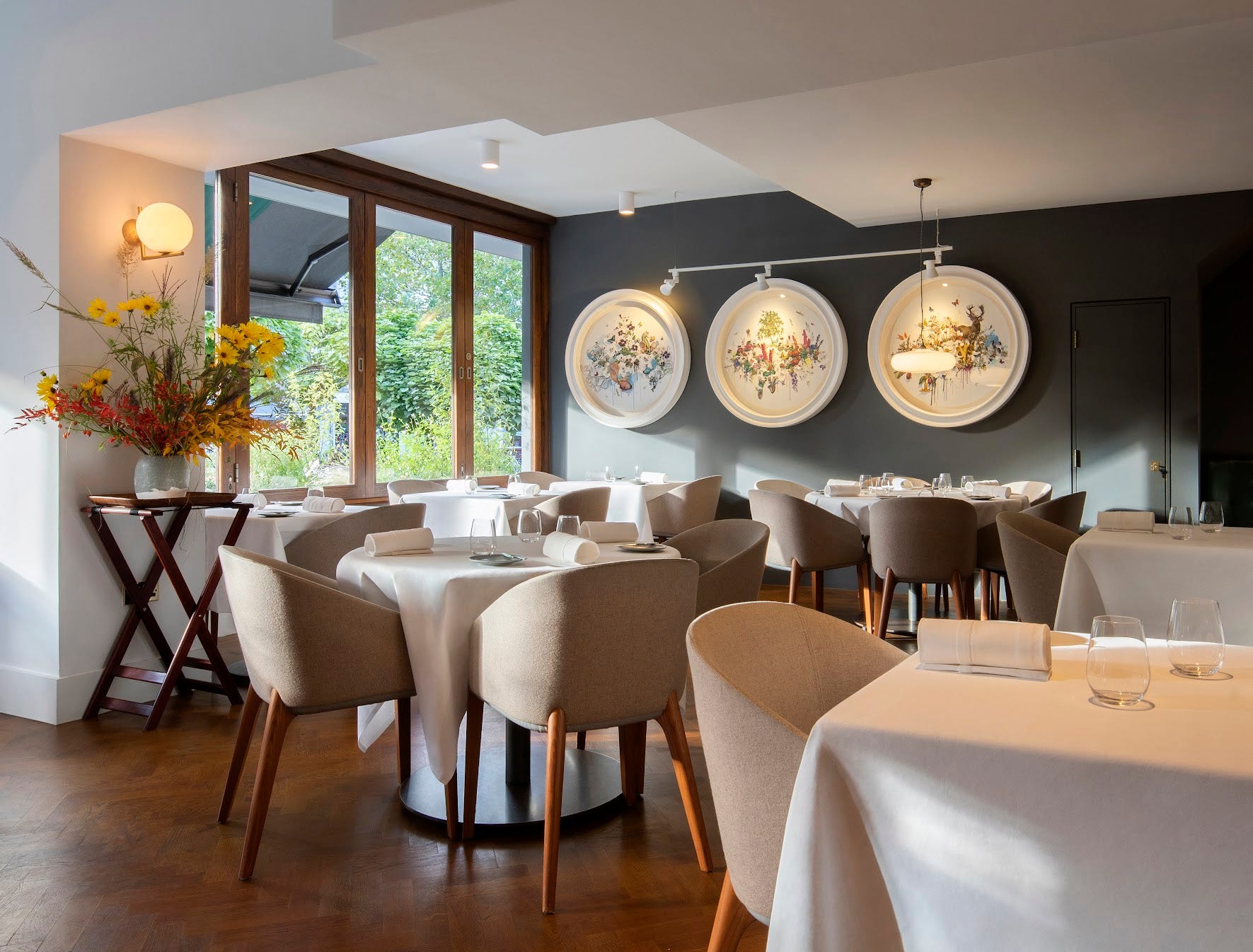
AB: I’d come from a restaurant that had failed, so at first I just wanted Trinity to be financially buoyant, and I sacrificed far too much of my time with my family trying to make that happen. I wanted to run the best restaurant in the neighbourhood, somewhere the maître d’ knew your name, remembered what you drank and made you feel looked after, even if you were only spending £30 on a Wednesday night.
Back then, success was a full restaurant, whereas now it’s about protecting what we’ve built, keeping our standards high, attracting good people and giving them reasons to stay. It’s also about staying current in an industry that’s incredibly crowded, without losing sight of what Trinity is.
Working on the cookbook for our twentieth anniversary made me realise just how much we’ve achieved. We recorded 27 hours of conversations looking back over the restaurant’s history, and there were moments when I laughed and cried remembering it all, but the constant throughout those twenty years has been the people, both the guests who’ve eaten here and the people who’ve worked here. Without them, it’s just four walls and me.
TFT: Finally, some restaurants are popular for a few years, while others keep people coming back for decades. What separates the two?
AB: There are three things. The first is consistency, because when you go back to a restaurant you want to have the experience you remember, and the second is evolution, because people still want to see a place develop without losing the things they loved about it in the first place.
The third, and most important, is how you make people feel. Restaurants aren’t successful just because they serve good food and wine, and I think chefs sometimes forget that when they’re so focused on what’s on the plate. It’s the staff, the lighting, the seating and whether you feel comfortable being there, because when all of those things come together, you can disappear into a little bubble for two and a half hours without thinking about anything happening outside. That’s hospitality.
—-------------------------------------------------------------------------------------------------------------
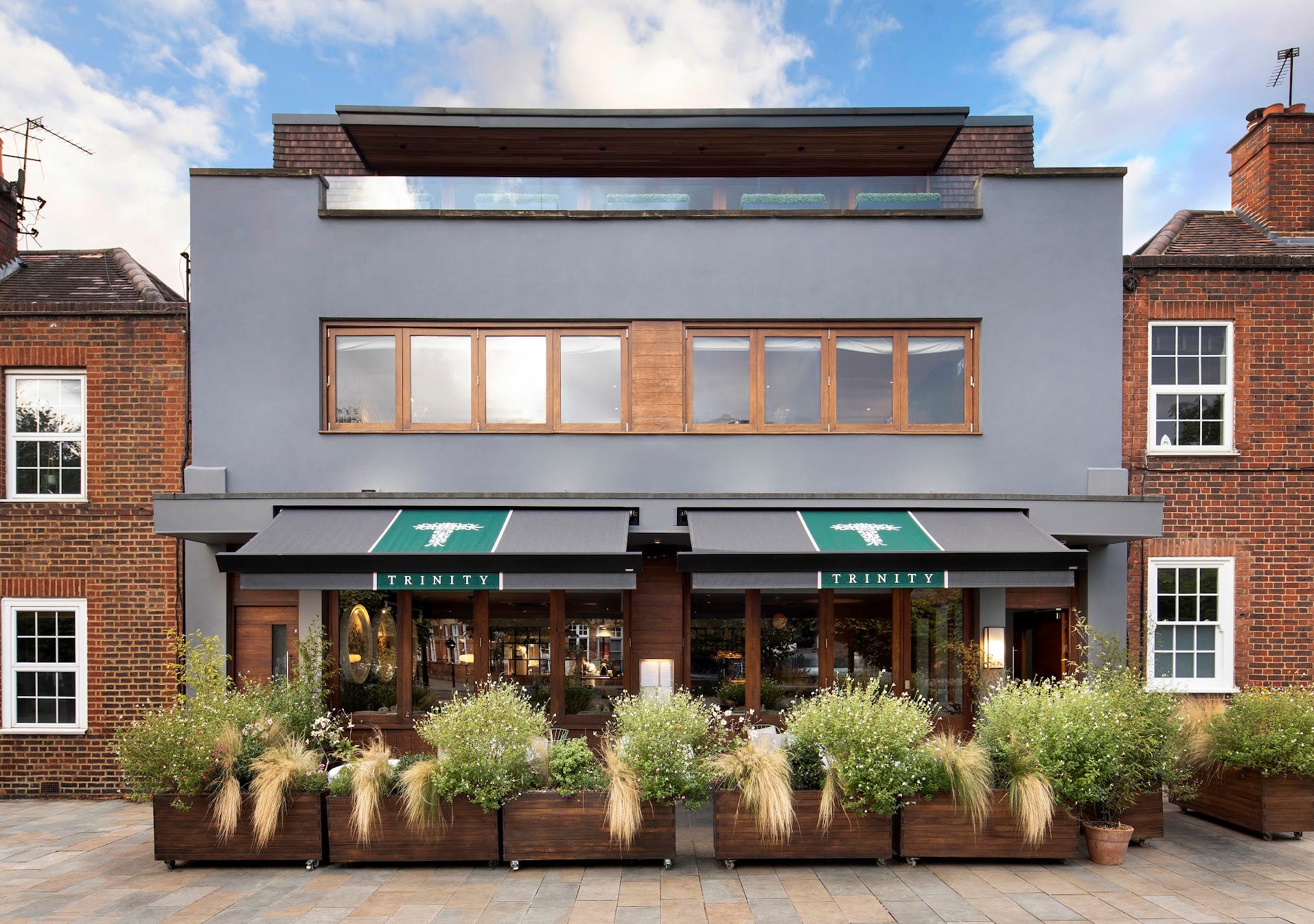
Trinity celebrates its twentieth anniversary this month. You can book a table at Trinity or pick up a copy of Trinity: The Cookbook. You can also follow Adam on Instagram for more from behind the scenes.
Brilliant piece!
Your work is exceptional, Danielle